

Italy says China a key strategic partner, despite U.S. concerns
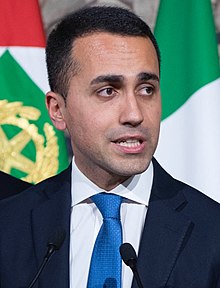
Italy and China need to forge closer ties, Italian Foreign Minister Luigi Di Maio said on Tuesday, potentially putting Rome at odds with Washington, which has raised alarm over Beijing's economic ambitions. In an apparent reference to tensions with Washington, Wang said China did not want to see a Cold War.
- Country:
- Italy
Italy and China need to forge closer ties, Italian Foreign Minister Luigi Di Maio said on Tuesday, potentially putting Rome at odds with Washington, which has raised alarm over Beijing's economic ambitions. Di Maio was speaking after talks China's top diplomat, Wang Yi, who was beginning a visit to Europe that will also include the Netherlands, Norway, France, and Germany.
Italy became the first major Western economy to join China's international infrastructure project, the Belt and Road Initiative when it signed a raft of accords in 2019. However, the move has yielded little for Italy so far. "It was a very fruitful meeting," Di Maio said, adding that he had discussed with Wang how to "relaunch (our) strategic partnership from the economic and industrial viewpoint".
Wang told reporters it was important for China and the European Union to strengthen relations and deepen cooperation to tackle the coronavirus. U.S. President Donald Trump blames Beijing for the spread of the disease, which emerged in China last year. He also wants to restrict the global development of Chinese telecom giant Huawei Technologies Co, accusing it of acting as a Trojan Horse for Chinese cyberspies.
Italy has not joined the United States in imposing restrictions on Huawei and Di Maio made no reference to the company in his remarks. In an apparent reference to tensions with Washington, Wang said China did not want to see a Cold War. "A Cold War would be a step backward," he said. "We will not let other countries do this for their own private interests while damaging the interests of other countries."
Di Maio said he had raised the issue of Hong Kong with Wang, saying its citizens' rights and freedoms had to be respected. China unveiled a national security law last month which Hong Kong pro-democracy protesters and the West say breaches the 1984 Sino-British treaty that guaranteed Hong Kong's autonomy.
ALSO READ
-
WTO Sets Up Panel on EU Carbon Border Rules as Russia Challenges Restrictions
-
WHO Brings Global Experts Together to Strengthen Herbal Medicine Quality and Safety
-
Human Cost of Faster Work: Chinese Employees Weigh AI’s Promise Against Pay Fears
-
China's August Disasters Yield $5.38 Billion in Losses
-
Prospects of a New Summit: South Korean Optimism Amid Uncertainty


 Google News