

India and China Pledge to Boost Diplomatic Talks Amidst Border Tensions
India's Foreign Minister Subrahmanyam Jaishankar and China's Wang Yi met in Kazakhstan to enhance diplomatic talks addressing border issues. Both sides agreed that prolonging the situation isn't beneficial and stressed the need to maintain a positive mindset and resume normal exchanges.
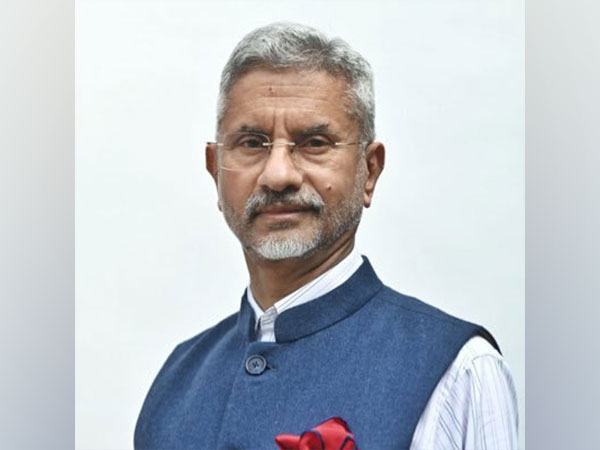
India's Foreign Minister Subrahmanyam Jaishankar met his Chinese counterpart Wang Yi on Thursday in Kazakhstan where the two agreed to step up talks to resolve issues along their border, New Delhi said in a statement.
India and China share a long Himalayan border, much of it poorly demarcated, and relations between the two countries have been sour since a military standoff in July 2020 when at least 20 Indian soldiers and four Chinese troops were killed. India said Jaishankar met Wang on the sidelines of the Shanghai Cooperation Organisation summit in Astana where they agreed that "prolongation of the current situation in the border areas is not in the interest of either side."
The two agreed to enhance meetings between their diplomatic and military officials "to resolve the remaining issues at the earliest," the Indian foreign ministry said in a statement. China and India should properly handle their differences and ensure relations advance on a stable track, a Chinese foreign ministry statement quoted Wang as saying during the talks.
"We must maintain a positive mindset, properly handle and control the situation in the border areas on the one hand, and actively resume normal exchanges on the other hand," Wang said. Indian Prime Minister Narendra Modi, who began his third straight term last month, said in April that the two countries should urgently address the "prolonged situation" on their border.
Both countries have fortified positions and deployed extra troops and equipment along the border since 2020. The nuclear-armed nations have been uneasy neighbours for decades after a bloody border war in 1962. "He (Jaishankar) reaffirmed the importance of fully abiding by relevant bilateral agreements, protocols, and understandings reached between the two governments in the past," New Delhi's statement said.
The two countries have previously agreed to maintain dialogue through military and diplomatic channels.
ALSO READ
-
WTO Sets Up Panel on EU Carbon Border Rules as Russia Challenges Restrictions
-
Cleaner Kitchens, Polluted Skies: Hidden Health Cost of India’s Electricity Boom
-
WHO Brings Global Experts Together to Strengthen Herbal Medicine Quality and Safety
-
Human Cost of Faster Work: Chinese Employees Weigh AI’s Promise Against Pay Fears
-
Japan-Backed ILO Projects Help 23,000 Workers Gain Rights and Fight Child Labour


 Google News