

UN Expert Urges Brazilian Institutions to Safeguard Indigenous Rights Amid Legal Challenges
Currently, Law 14.701/2023 faces constitutional challenges before the Supreme Court through multiple legal processes seeking its declaration as unconstitutional.
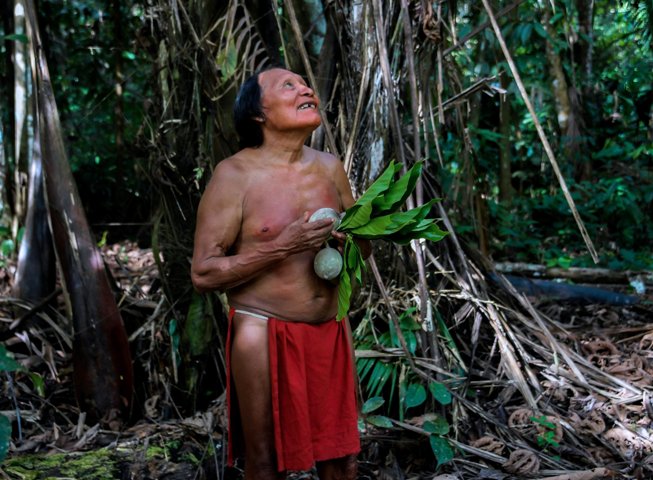
José Francisco Calí Tzay, the UN Special Rapporteur on the rights of Indigenous Peoples, has issued a stark call to action directed at the Brazilian Supreme Court and Senate, urging them to protect the fundamental rights of Indigenous Peoples amidst ongoing legal uncertainties.
In his statement, Tzay commended the Brazilian Supreme Court for rejecting the controversial 'Marco Temporal' doctrine, which ties the demarcation of Indigenous territories to their occupation at the time of Brazil's 1988 constitution. However, he expressed deep concern over subsequent legislative developments, particularly Law 14.701/2023, which seeks to implement this doctrine despite constitutional challenges.
The 'Marco Temporal' doctrine has been criticized by international human rights bodies for potentially violating Indigenous Peoples' rights to their lands based on traditional use and possession, without temporal limitations. Tzay highlighted the swift adoption of Law 14.701/2023 shortly after the Supreme Court's ruling against the doctrine, questioning the rationale behind revisiting a legal understanding so soon after judicial clarity had been provided.
Currently, Law 14.701/2023 faces constitutional challenges before the Supreme Court through multiple legal processes seeking its declaration as unconstitutional. Despite these challenges, the Supreme Court has suspended legal proceedings and proposed mediation between Indigenous Peoples and agribusiness interests. Tzay cautioned that this suspension does not prevent the law from being applied in ongoing demarcation processes, potentially causing irreversible harm to Indigenous communities.
Emphasizing that Indigenous Peoples' rights are safeguarded by international legal standards such as the UN Declaration on the Rights of Indigenous Peoples and ILO Convention No. 169, Tzay underscored that these rights are non-negotiable and must be respected at all levels of governance. He stressed the integral connection between Indigenous lands, cultural identity, and environmental stewardship, warning against policies that prioritize extractive industries over Indigenous rights.
Tzay urged the Brazilian Supreme Court to suspend the application of Law 14.701/2023 until its constitutionality has been definitively adjudicated, highlighting the urgent need to protect Indigenous Peoples from potential displacement and dispossession. He also called upon the Senate to uphold international human rights standards and ensure that Indigenous rights to lands and territories are respected without temporal limitations.
The statement from José Francisco Calí Tzay serves as a critical reminder of the ongoing challenges faced by Indigenous Peoples in Brazil and the imperative for legal and policy frameworks that uphold their rights and protect their ancestral lands against encroachment and exploitation.


 Google News