

Supreme Court to Consider West Bengal's Plea Against Governor's Assent Withholding
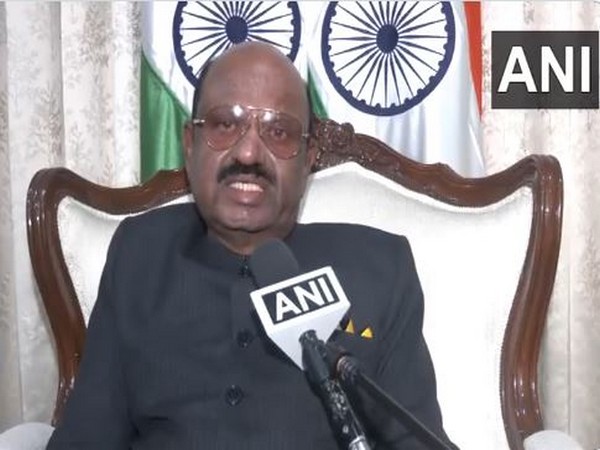
The Supreme Court has agreed to consider listing a plea from the West Bengal government against Governor CV Ananda Bose for withholding assent on eight bills. The state argues this action violates Article 200 of the Constitution. The bills have been pending since 2022 and 2023.
- Country:
- India
The Supreme Court on Friday agreed to consider listing a plea from the West Bengal government alleging that Governor CV Ananda Bose was withholding assent on eight bills.
A bench comprising Chief Justice D Y Chandrachud and justices JB Pardiwala and Manoj Misra took note of submissions from lawyer Astha Sharma, representing the state government, that the plea filed in April is yet to be listed for a hearing.
'I will consider,' said the Chief Justice of India.
The state government, in its plea, argued that the denial of assent without any given reason was contrary to Article 200 of the Constitution.
Article 200 outlines the process for a bill passed by a state's assembly to be presented to the governor for assent. The governor may either assent, withhold assent, or reserve the bill for consideration by the President.
'When a Bill has been passed by the Legislative Assembly of a State or, in the case of a State having a Legislative Council, has been passed by both Houses of the Legislature of the State, it shall be presented to the Governor and the Governor shall declare either that he assents to the Bill or that he withholds assent therefrom or that he reserves the Bill for the consideration of the President,' reads Article 200.
The bills awaiting the governor's consent include the West Bengal University Laws (Amendment) Bill, the West Bengal University of Animal and Fishery Sciences (Amendment) Bill, and several others passed in the state assembly in 2022 and 2023.
Some of the bills pending assent date back to the tenure of Jagdeep Dhankhar, the current Vice President and former governor of the state.


 Google News