

Honduras' 'Iron Fist' Policy: A Tough Stance on Crime Amid Skepticism
Honduras has launched a stringent 'iron fist' policy to tackle rampant drug and gang-related crime, with President Xiomara Castro employing emergency powers to deploy security forces into troubled areas and planning to imprison over 20,000 inmates in a new mega-prison. Despite this approach, skepticism remains high among residents and experts.
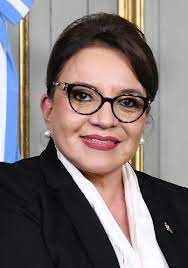
Honduras has adopted a stringent 'iron fist' approach to combat rampant drug and gang-related crime, with the police seizing hundreds of guns and arresting alleged gang members. This hardline policy, termed 'mano duro,' has been enforced by President Xiomara Castro, who has used emergency powers to send security forces into crime-ridden neighborhoods.
The strategy includes plans to incarcerate over 20,000 inmates in a newly constructed mega-prison. This approach mirrors, though less severe, the tactics of neighboring El Salvador, where President Nayib Bukele suspended constitutional rights, conducted mass trials, and imprisoned approximately 2% of the adult population along with thousands of minors.
Despite these measures, there is widespread skepticism about whether the Honduran government can achieve similar outcomes as El Salvador, where crime rates drastically decreased, and life changed significantly. Security analyst Saul Bueso questions the expected results, noting that despite claims of reduced massacres and assaults, crime persists. Residents remain doubtful, with some expressing that divine intervention is their only hope amid ongoing violence.


 Google News