

Trump's Bold Tariff Plan: Economic Revolution or Trade War Storm?
President-elect Donald Trump pledged significant tariffs on imports from Canada, Mexico, and China, risking trade wars. With plans for a 25% tariff on Canadian and Mexican imports, and an additional 10% on Chinese goods, Trump's agenda challenges existing trade agreements and could reshape global economic ties.
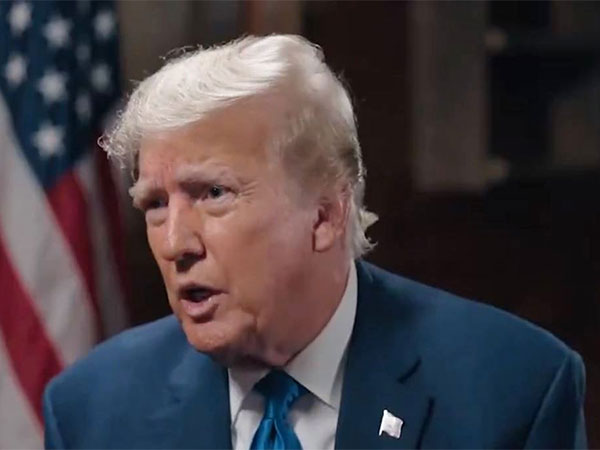
In a bold move, President-elect Donald Trump has announced plans to impose substantial tariffs on key trading partners, including Canada, Mexico, and China, threatening the dynamics of international trade. The announcement signifies a new chapter in U.S. economic policy as Trump aims to fulfill his 'America first' campaign promises.
Trump's plans include a 25% tariff on imports from Canada and Mexico to address issues surrounding drug trafficking and immigration, actions critics claim could breach the U.S.-Mexico-Canada Agreement (USMCA). Meanwhile, an additional 10% tariff on Chinese goods could further strain trade relations, particularly if Trump's longstanding threats of higher tariffs are realized.
Such tariff proposals have raised alarms among economists, who warn of potential inflation, disrupted supply chains, and retaliation from affected nations. The successful implementation of these tariffs could significantly alter the framework of global trade and the economics underpinning it.
ALSO READ
-
EU Firms Rethink Supply Chains as Geopolitical Risks Reshape Global Trade
-
Lee Jae Myung's Diplomatic Milestones: Balancing Amidst Global Tensions
-
Diplomatic Moves: Takaichi's UN Meeting with Trump
-
Trade War Chessboard: Agriculture, Energy, and Rare Earths in Focus
-
High-Stakes Diplomatic Dance: Trump and Xi's Crucial Summit


 Google News