

Supreme Court Sidesteps Racial Diversity in School Admissions
The U.S. Supreme Court declined to review a case about admissions criteria for elite Boston public high schools, which plaintiffs argued discriminated against white and Asian students. The appeal was rejected after a lower court upheld the race-neutral policy, initially adopted to address racial inequities.
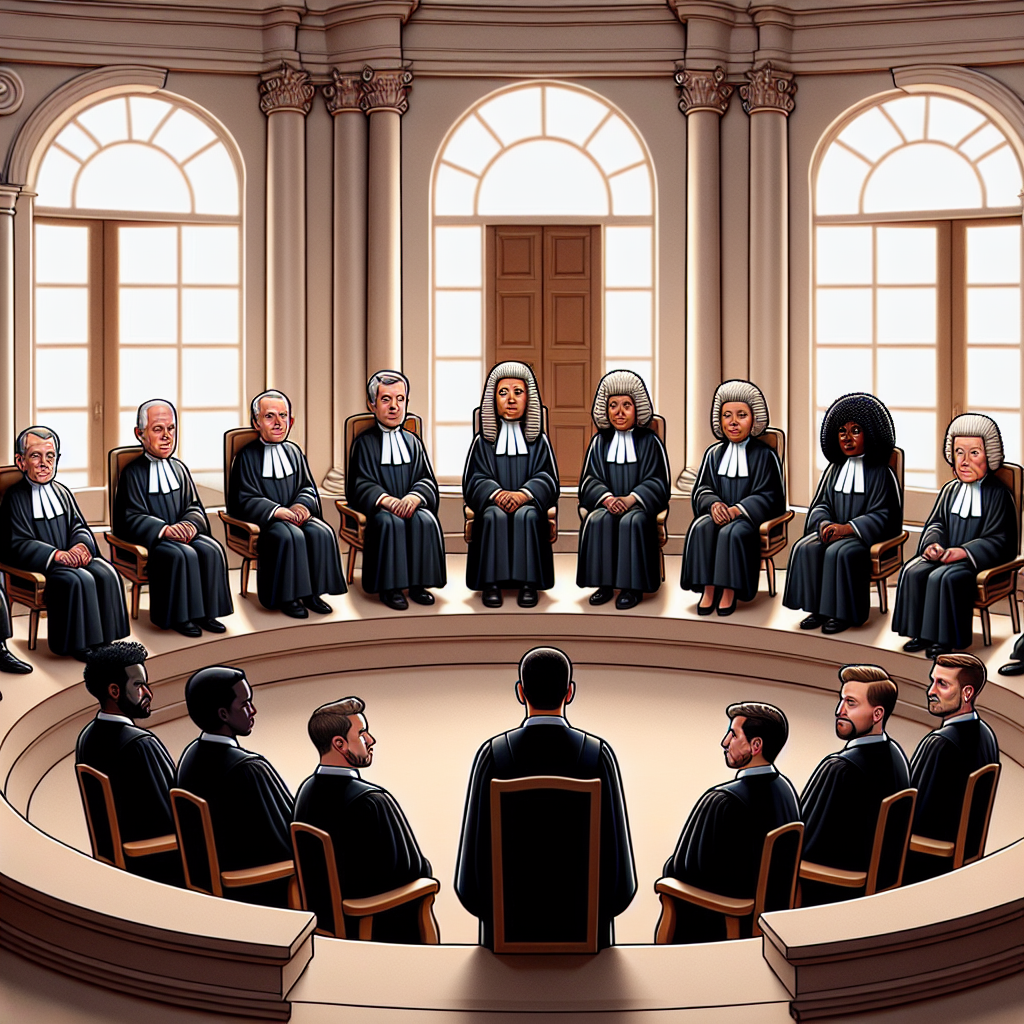
The U.S. Supreme Court opted not to review an appeal regarding Boston high schools' admissions policy Monday, maintaining an earlier ruling that it was legal. The case, brought by a coalition of parents and students, challenged the policy for allegedly discriminating against white and Asian students.
Notably, the policy, since replaced, employed race-neutral criteria like zip codes and family income to diversify admissions. It faced criticism from some conservative justices and was part of broader debates about affirmative action in education, especially in the wake of the pandemic which had prevented the administration of entrance exams.
Despite changing the admissions approach again, the case persisted, spotlighting ongoing nationwide tensions over educational equity. The Supreme Court's decision comes amidst its opposition to race-conscious admissions policies and related controversies at other prestigious schools like Virginia's Thomas Jefferson High School.


 Google News