

President Murmu Emphasizes India’s Commitment to Human Rights on Human Rights Day
The President affirmed that the Indian government remains steadfast in guaranteeing both civic and political rights, along with a wide range of socio-economic and cultural rights.
- Country:
- India
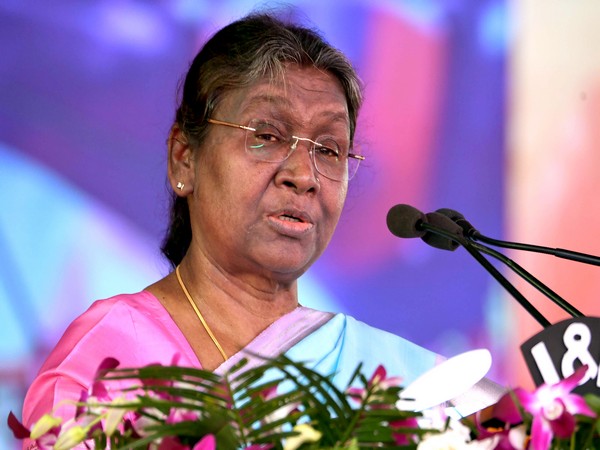
The President of India, Smt. Droupadi Murmu, graced and addressed the Human Rights Day celebrations organized by the National Human Rights Commission (NHRC) in New Delhi today. The President highlighted India's enduring commitment to human rights, drawing attention to the nation's civilizational heritage, evolving challenges, and the need for continuous efforts to safeguard human dignity.
In her address, President Murmu emphasized India's rich civilizational legacy spanning over 5,000 years, where values like empathy, compassion, and interconnectedness have always been integral to society. She lauded the role of institutions such as the NHRC, State Human Rights Commissions (SHRCs), civil society, human rights defenders, and international monitors in protecting the human rights of all individuals, especially the marginalized. The President acknowledged the proactive role of the NHRC in addressing human rights violations, raising awareness, and recommending policy reforms.
Government's Commitment to Socio-Economic Rights
The President affirmed that the Indian government remains steadfast in guaranteeing both civic and political rights, along with a wide range of socio-economic and cultural rights. She highlighted the government's focus on ensuring basic necessities like housing, clean drinking water, sanitation, electricity, cooking gas, financial services, healthcare, and education for all citizens. These efforts are viewed as fundamental rights, reflecting the nation's commitment to improving the living conditions of its people.
Emerging Threats to Human Rights: Cybercrimes and Climate Change
President Murmu also addressed the emerging threats to human rights in the digital age. She noted that while the digital revolution has brought about significant progress, it has also introduced challenges such as cyberbullying, privacy breaches, deepfakes, and the rapid spread of misinformation. The President stressed the need to create a secure and equitable digital environment to protect individual rights in the face of these new-age threats.
Furthermore, she acknowledged climate change as an urgent global issue, stressing that its impacts are not confined to those responsible for pollution but are felt globally. As a representative of the Global South, India has taken a leadership role in climate action, with significant initiatives such as the 2022 Energy Conservation (Amendment) Bill, the Green Credit Initiative, and the Lifestyle for Environment (LiFE) Movement. These actions underscore India's commitment to building a sustainable, clean, and green future for generations to come.
Addressing the Impact of Artificial Intelligence on Human Rights
The President also raised concerns about the implications of Artificial Intelligence (AI) on human rights. She pointed out that AI, as an intelligent non-human agent, complicates the traditional human rights discourse, where violators were typically assumed to be human. The introduction of AI into everyday life creates new dilemmas in ensuring accountability and responsibility for violations, as the 'culprit' could be an AI system, not a human being.
Mental Health and the Gig Economy
Mental health, particularly among children and youth, was another key issue highlighted by the President. She called on stakeholders to address the growing stress experienced by younger generations and ensure that the increasing number of gig economy workers are protected from mental health challenges. The President urged business leaders to consider the mental well-being of workers in emerging economic sectors, stressing that new economic models should not compromise individuals' health and well-being.
A Call for Collective Action
Concluding her address, President Murmu urged all to renew their commitment to the values of justice, equality, and dignity that define India. She emphasized the importance of upholding the fundamental rights of every individual and ensuring that no one is left behind. She called for sustained efforts and solidarity to build a future where every person, regardless of background, age, or circumstance, can live a life of dignity, opportunity, and fulfilment.
In her address, President Murmu underscored that the celebration of Human Rights Day should not only commemorate achievements but also inspire collective action to overcome the challenges of our time and protect the rights and dignity of every individual.


 Google News