

Middle East Power Shift: Netanyahu's Strategic Triumphs and Iran's Dilemma
2025 could be a pivotal year for Israeli Prime Minister Benjamin Netanyahu as he seeks to solidify military control over Gaza and dismantle Iran's nuclear ambitions. With Assad's fall weakening Tehran's influence, Israel emerges as a dominant force, while Netanyahu's corruption trial looms large over his legacy.
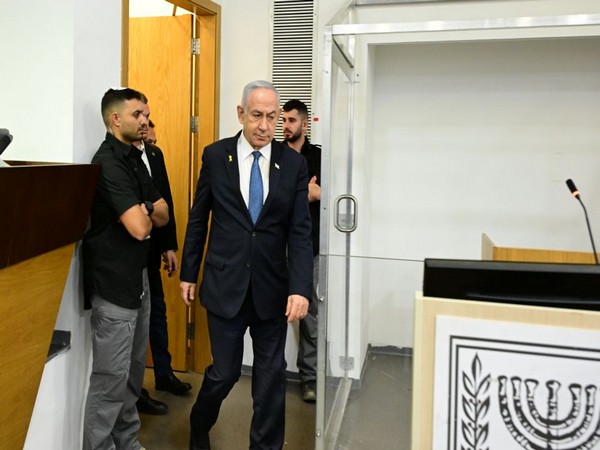
Israeli Prime Minister Benjamin Netanyahu is on the brink of achieving major strategic objectives in 2025. Strengthening military control over Gaza, countering Iran's nuclear ambitions, and dismantling Tehran's regional allies mark his agenda. The recent political shifts in Syria expedite Netanyahu's plans, as he aims to diminish Iran's influence.
The fall of Syrian President Bashar al-Assad and leadership losses in Hezbollah and Hamas have unraveled long-standing Iranian alliances. Netanyahu's focus intensifies on Iran's nuclear and missile programs, with observers predicting potential Israeli strikes if Tehran persists with its nuclear enrichment.
While Netanyahu seeks to consolidate his legacy amid conflicts, his ongoing corruption trial and the complex Israeli-Palestinian issue, notably in Gaza, add layers of challenge. Despite potential ceasefire agreements, deep-seated regional conflicts remain unresolved, complicating future peace negotiations.
ALSO READ
-
Poverty in the Line of Fire: UN Experts Demand Iran End Border Courier Killings
-
Iran’s Civilians Trapped Between State Repression and Deadly Strikes, UN Warns
-
UN Experts See UK Settlement Curbs as Turning Point, Urge Action Over Occupation
-
Lee Jae Myung's Diplomatic Milestones: Balancing Amidst Global Tensions
-
US Approves Potential Sale of F-35 Jets to Saudi Arabia, Shifting Middle Eastern Power Dynamics


 Google News