

South Africa Leads the G20 with a Vision for Inclusive and Sustainable Growth
President Ramaphosa expressed concerns over the erosion of multilateralism, emphasizing its crucial role in fostering global economic stability and growth.
- Country:
- South Africa
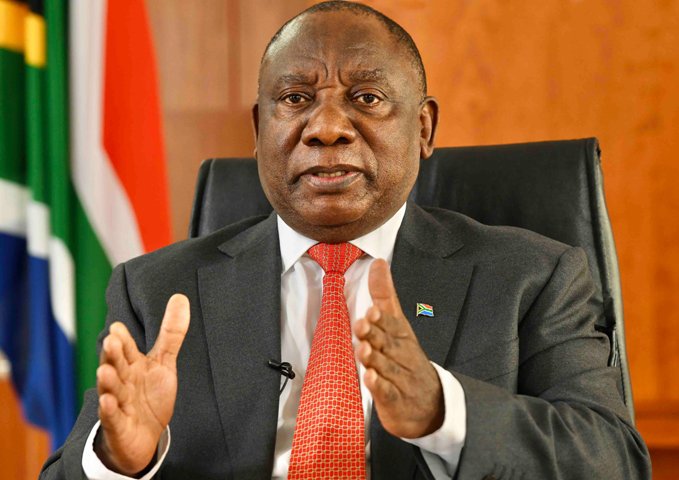
President Cyril Ramaphosa has underscored the necessity for Group of 20 (G20) nations to collaborate in addressing global challenges such as economic stagnation, rising debt burdens, persistent poverty, inequality, and the existential crisis posed by climate change.
During his opening address at the first meeting of the G20 Finance Ministers and Central Bank Governors in Cape Town, President Ramaphosa highlighted the urgency for decisive and unified action to uplift global economic stability and social equity.
Strengthening Multilateralism for Global Growth
President Ramaphosa expressed concerns over the erosion of multilateralism, emphasizing its crucial role in fostering global economic stability and growth. He stressed that a fair, transparent, and inclusive rules-based international order is essential for sustainable development, especially during heightened geopolitical tensions.
"At this time of heightened geopolitical contestation, a rules-based order is particularly important as a mechanism for managing disputes and resolving conflict. It is vital to ensuring that the rights and interests of the vulnerable are not trampled beneath the ambitions of the powerful," he stated.
Addressing Global Inequality and Promoting Inclusive Growth
One of the key impediments to economic growth and stability, the President noted, is the persistence of inequality both within and between nations. He emphasized that reducing inequality is not only a social imperative but an economic necessity.
"The pursuit of the United Nations Sustainable Development Goal on reducing inequality is as much of an economic imperative as a social imperative. As the G20, we need deliberate and coordinated efforts to focus on inclusive growth based on responsive trade and investment to grow the incomes of poor nations and the poorest in society," he said.
Ensuring equal access to opportunities, particularly for women and young people, remains a priority, as South Africa places solidarity, equality, and sustainability at the heart of its G20 Presidency.
Key Priorities for South Africa's G20 Presidency
In line with the G20's original mandate to promote strong, sustainable, balanced, and inclusive growth, South Africa has identified four primary priorities:
-
Strengthening Disaster Resilience and Response
Recognizing the increasing frequency of climate-induced natural disasters, President Ramaphosa called for the global community to implement innovative financing and insurance mechanisms. These measures would enhance disaster prevention and support post-disaster reconstruction, particularly in countries that struggle with recovery costs.
-
Ensuring Debt Sustainability for Developing Economies
The President highlighted the rising sovereign debt levels of low- and middle-income countries, emphasizing how high debt service costs hinder essential public spending in education, healthcare, and infrastructure. He underscored the importance of the International Financial Architecture Working Group's role in improving the Common Framework for Debt Treatment and reforming multilateral development banks.
-
Mobilizing Finance for a Just Energy Transition
With global climate goals in mind, South Africa is advocating for increased concessional and grant funding to support energy transitions in developing economies. President Ramaphosa urged G20 nations to take the lead in demonstrating ambition on climate action ahead of COP30 in Brazil, emphasizing the need for adaptation funding for vulnerable countries.
-
Harnessing Critical Minerals for Inclusive Growth and Sustainable Development
The South African Presidency aims to establish a G20 framework on green industrialization and investment, ensuring that critical mineral extraction benefits resource-rich nations and local communities. The initiative seeks to promote low-carbon manufacturing value chains to support global decarbonization while driving economic growth.
A Call for Collective Action
President Ramaphosa concluded by reiterating the need for bold and swift action to address the interconnected global challenges facing G20 nations. He called on member countries to lead efforts in fostering economic stability, reducing inequality, advancing climate action, and ensuring a just and inclusive energy transition.
"The need to rapidly scale up adaptation funding is particularly important, as those countries which have contributed the least to climate change are now most vulnerable to its effects. We must also scale up the use of innovative financing instruments, improve coordination among funders, and unlock the potential of carbon markets to create new and diverse sources of funding," he emphasized.
As South Africa steers the G20 through its Presidency, its leadership is set to play a crucial role in shaping policies that drive global progress towards economic resilience, sustainability, and social equality.


 Google News