

New Zealand Adjusts Border Fees and Levies to Ensure Fairer Cost Recovery
Customs Minister Casey Costello announced these adjustments, which will take effect in two phases, beginning on 1 July 2025 and followed by structural changes from 1 April 2026.
- Country:
- New Zealand
The New Zealand government is introducing changes to fees and levies for goods crossing the country's border to create a fairer and more sustainable cost recovery system. Customs Minister Casey Costello announced these adjustments, which will take effect in two phases, beginning on 1 July 2025 and followed by structural changes from 1 April 2026.
Ensuring Efficient Trade and Security
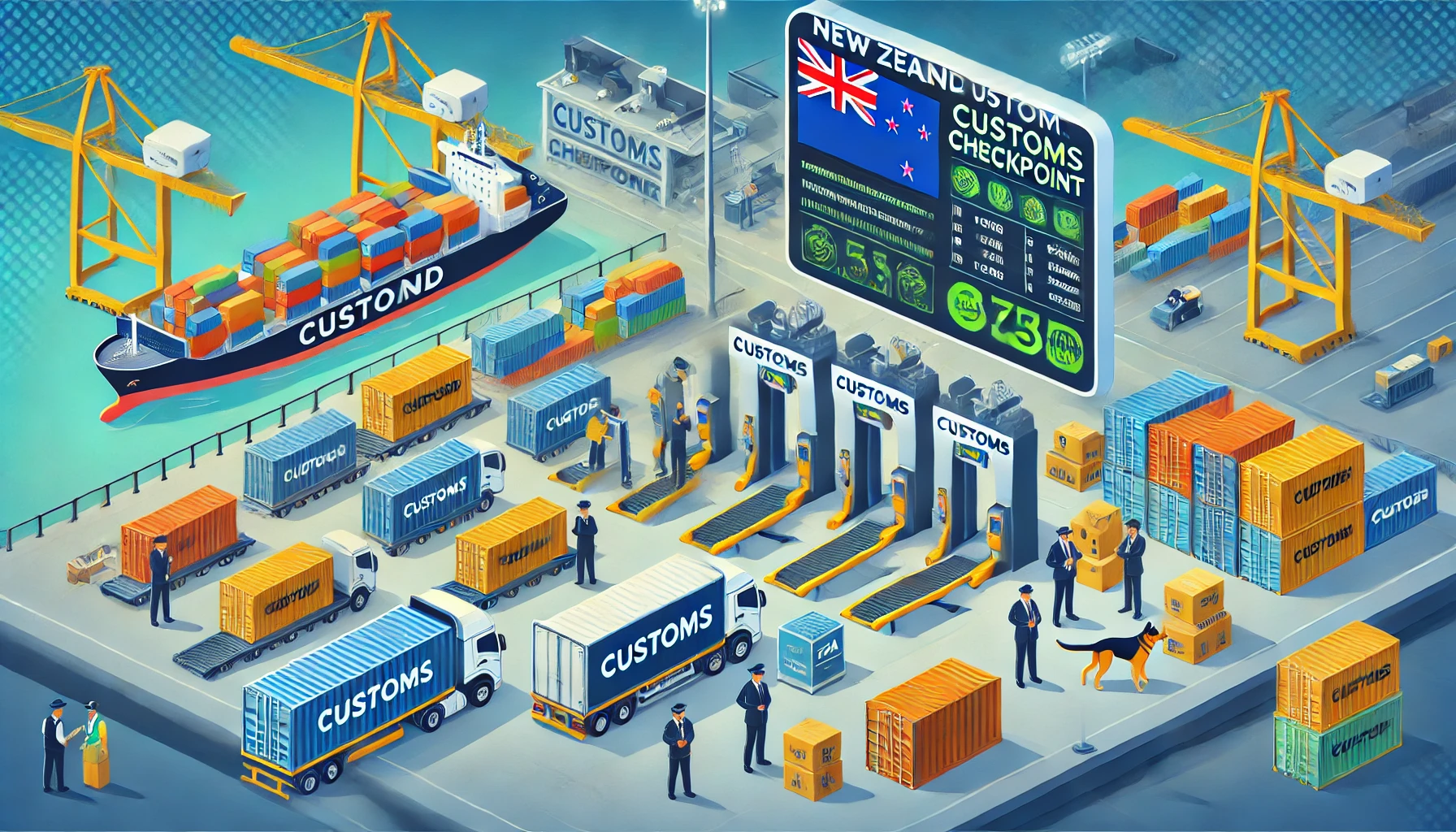
Customs and the Ministry for Primary Industries (MPI) play a crucial role in supporting New Zealand's economic growth by facilitating efficient trade while mitigating border-related risks, such as biosecurity threats and organised crime, including drug smuggling. The new fee structure aims to better align the costs of these services with those who benefit from them or whose activities necessitate them.
Key Changes and Implementation Timeline
-
Increased Customs Fees from 1 July 2025 Adjustments to Customs fees will ensure that goods management charges accurately reflect the cost of service provision. The updated rates, available on the Customs website, are designed to enhance financial sustainability and efficiency at the border.
-
Structural Overhaul from 1 April 2026 A more comprehensive restructuring of the fee regime will be introduced, addressing longstanding inequities in cost distribution. This revision will particularly impact the processing costs for low-value goods (under NZ$1,000) purchased from international online suppliers and shipped by international mail. Currently, taxpayers cover most of these costs, but under the new framework, these expenses will be more equitably allocated.
Combating Transnational Crime and Enhancing Security
A significant motivation behind these changes is the rising pressure from transnational, serious, and organised crime (TSOC) groups. These groups have increasingly targeted New Zealand, leading to a surge in drug smuggling and other illegal activities. The revised fees will support Customs in addressing these challenges by ensuring adequate resources for security enforcement.
Impact on New Zealand Retailers and Taxpayers
The revised system is expected to benefit New Zealand retailers and taxpayers by creating a more balanced and just cost-sharing model. At present, the burden of border processing costs for imported low-value goods falls largely on taxpayers, a situation that will be rectified under the new fee structure.
Consultation and Stakeholder Engagement
These fee adjustments followed extensive consultation with industry representatives and the wider public. Customs and MPI will continue to engage with stakeholders to ensure a seamless implementation process.
For more details on the upcoming changes, stakeholders can visit the Customs website. While there will be no immediate changes to MPI's Biosecurity System Entry Levy (BSEL), which Customs collects on MPI's behalf, adjustments in line with the structural changes will be introduced in 2026.
The government remains committed to maintaining a secure and efficient border system while ensuring that costs are distributed in a fair and sustainable manner.


 Google News