

U.S. Reassesses Humanitarian Role Amid Global Aid Shift
The United States is stepping back from leading global humanitarian aid after significant government cutbacks. Secretary of State Marco Rubio calls for wealthy nations like China and India to contribute more. The change follows a detrimental earthquake in Myanmar, during which U.S. aid efforts were delayed.
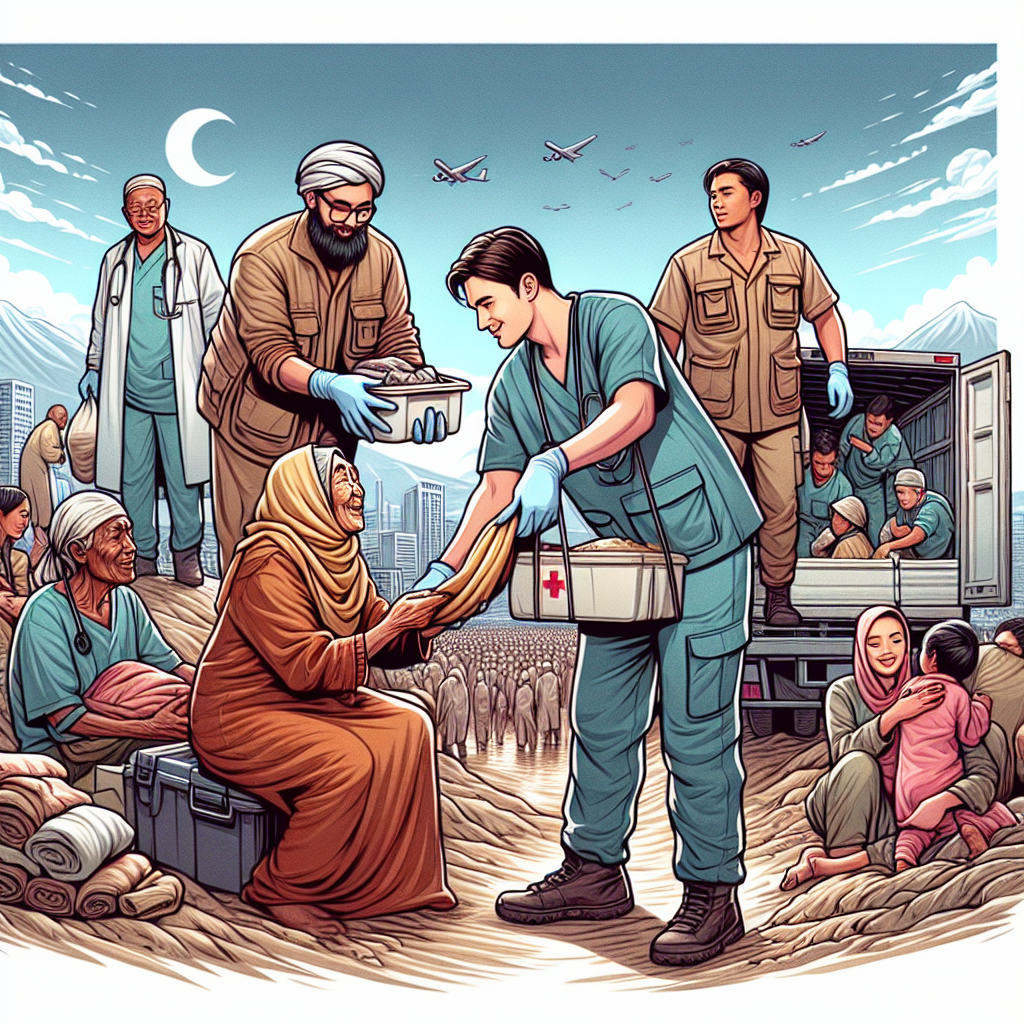
The United States is reassessing its role as the principal provider of global humanitarian aid, according to Secretary of State Marco Rubio. This decision follows substantial federal government reductions under the Trump administration. Rubio called on other wealthy nations to shoulder more responsibility, specifically naming China and India.
On the heels of a devastating 7.7-magnitude earthquake in Myanmar, which has left over 3,000 dead, the U.S. has contributed a modest $2 million to relief efforts. Previously leading in disaster response, Washington's current limited aid is partly due to structural changes in USAID and challenges posed by Myanmar's military regime.
Criticism has arisen regarding the perceived slow response, but Rubio pointed to the logistical difficulties and strained relations with Myanmar's junta. Observers note that the scale-down of the U.S. government has hindered quick action in crisis situations, marking a significant shift in international humanitarian strategies.
ALSO READ
-
Sudanese Families Flee to Chad as Violence Surges and Refugee Support Falls Behind
-
KSrelief and UNDP Launch $5M Lifeline for Ukraine’s War-Affected Hospitals
-
Aid Under Pressure: Global Leaders Call for Local Control and Recovery From Day One
-
Yemen’s Civilians Face Fresh Horror as Fighting Displaces 125,000 and Kills Children
-
Somalia Faces Deepening Hunger as Flood Threat Puts Lives and Farms at Risk


 Google News