

Tariffs Trigger Uncertainty as US Labor Market Faces Pressure
Unemployment claims in the U.S. dropped significantly as seasonal factors like school spring breaks subsided. However, rising tariffs and declining worker productivity present challenges. Companies are holding onto workers despite economic uncertainty, driven by tariffs contributing to higher labor costs, pressuring business margins, and affecting consumer sentiment.
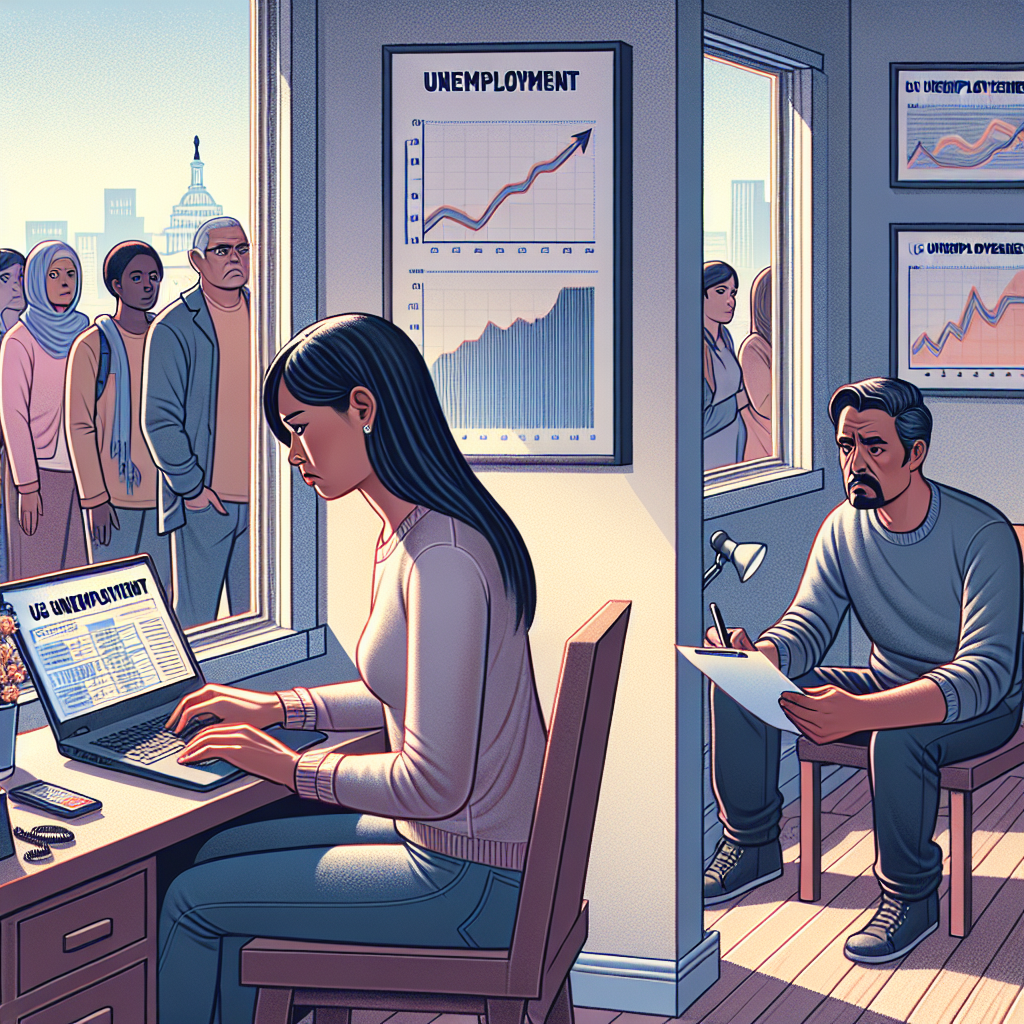
The American labor market displays resilience as new unemployment claims decreased sharply last week, largely due to the fading impact of school spring breaks boosting previous figures. Although claims fell, challenges loom due to tariffs and declining worker productivity, raising concerns among businesses and economists.
Worker retention remains a strategy for employers facing post-pandemic labor scarcity. However, maintaining this workforce amid higher labor costs from declining productivity and tariffs could strain business margins. Tariffs, particularly those imposed by President Trump's policies, including significant duties on imports, are souring business and consumer sentiment.
Economic uncertainty threatens to spill into tangible metrics like inflation and employment reports. As businesses hesitate to expand due to these tariffs, concerns rise about potential layoffs, prolonged unemployment, and slower economic growth, despite the Federal Reserve's stable interest rate policy and recent stock market optimism.
ALSO READ
-
EU Firms Rethink Supply Chains as Geopolitical Risks Reshape Global Trade
-
Trade War Chessboard: Agriculture, Energy, and Rare Earths in Focus
-
Trump and Xi Set for High-Stakes Summit: Trade, Taiwan, and Technology in Focus
-
US Tariff Announcement Delay Amidst Xi-Trump Summit
-
Wall Street's Resurgence: Tech Rally and Eased Oil Woes Drive Market Recovery


 Google News