

Operation New Broom: SA Cracks Down on Illegal Occupation with Biometric Tech
The first deployment under Operation New Broom took place on Wednesday, 21 May 2025, in the historically significant District Six area of Cape Town, located in the Western Cape.
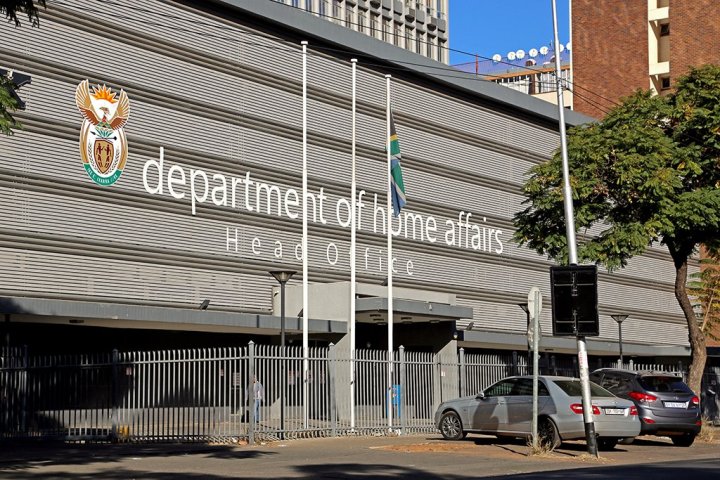
- Country:
- South Africa
In a decisive move that underscores South Africa's evolving approach to immigration enforcement, the Minister of Home Affairs, Dr Leon Schreiber, officially launched Operation New Broom—a bold national initiative aimed at identifying, arresting, convicting, and deporting illegal immigrants who are unlawfully occupying public spaces. This sweeping campaign places advanced technology at the forefront of the country's efforts to restore public order and uphold the integrity of its immigration system.
First Sweep in District Six, Cape Town
The first deployment under Operation New Broom took place on Wednesday, 21 May 2025, in the historically significant District Six area of Cape Town, located in the Western Cape. The operation led to the arrest of 25 individuals accused of unlawfully occupying land that has been earmarked for restitution to families affected by apartheid-era forced removals.
District Six has long stood as a poignant symbol of South Africa's painful past, and its redevelopment and restitution efforts remain a sensitive and deeply significant process. The unauthorized occupation of this land not only delays restitution but also represents, according to government officials, a direct affront to justice for the original victims and their descendants.
Biometric Technology Enhancing Enforcement
A hallmark feature of Operation New Broom is the strategic use of biometric verification technology. This modern approach allows law enforcement to accurately assess the immigration status of suspects by analyzing fingerprints, facial recognition data, and other unique identifiers. Officials argue that this method is more reliable than traditional document checks, significantly reducing the potential for fraud and identity theft.
The Department of Home Affairs has asserted that the integration of biometric technology enables them to build more robust legal cases against violators while ensuring that due process is strictly followed. According to Dr Schreiber, the operation symbolizes "new energy tackling an old issue," reinforcing the government's intention to root out unlawful behavior while remaining compliant with legal standards.
A Nationwide Campaign with Broader Implications
Operation New Broom is not a standalone event but part of an expansive, ongoing campaign that is expected to unfold across urban centers nationwide. The department has made it clear that similar actions will follow in other cities where illegal occupation of public land persists.
The campaign dovetails with broader reforms under the Department of Home Affairs, which has recently emphasized digital transformation in multiple facets of its work—from border control to document management. The Border Management Authority (BMA), another arm of this transformation, has already reported increased operational efficiency at entry and exit points thanks to improved technology and streamlined protocols.
Minister's Stern Warning to Illegal Immigrants
Dr Schreiber issued a stern ultimatum to individuals residing in South Africa without proper documentation: "Voluntarily deport yourself now, before we arrest and prohibit you from entering or obtaining legal status in South Africa in the future."
He stressed that the government is committed to maintaining the rule of law and is determined to bring unlawful residency and land occupation to an end. The department's actions, he said, are driven not by hostility but by a need to preserve order, uphold legal restitution processes, and protect the country's limited public resources.
Legal Compliance and Human Rights
Despite the tough rhetoric, the Ministry insists that Operation New Broom is grounded in legal compliance and respect for human rights. Each operation is reportedly conducted in partnership with the South African Police Service (SAPS), municipal authorities, and immigration officers, ensuring that suspects are treated fairly and given due opportunity to present their cases.
Civil society organizations and legal watchdogs are expected to monitor the campaign closely, especially given the potential for tension between enforcement and humanitarian concerns. Nonetheless, the department has signaled that it is open to oversight and feedback, positioning the initiative as a lawful response to a pressing national challenge.
Operation New Broom reflects a pivotal moment in South Africa's approach to immigration and public land management. By combining cutting-edge technology with a renewed legal mandate, the initiative aims to restore dignity to public spaces, enforce the rule of law, and continue the country's complex journey toward justice and restitution. Whether it will strike the right balance between enforcement and empathy remains a subject of national discussion in the weeks and months to come.
ALSO READ
-
AfDB selects four green hydrogen projects of $20 million grants in Africa
-
Following Money: South Africa’s Trade Gaps Point to Possible Illicit Flows
-
Withdrawal of ICE Director Nomination: A Surprise Turn
-
Trump Rallies in North Carolina: Republican Senate Hopefuls Struggle
-
Salazar Cautions Trump: Immigration Agenda May Cost GOP


 Google News