

UN Expert Warns Rwanda Against Austerity That Could Derail Poverty Gains
Between 2017 and 2024, Rwanda successfully lifted around 1.5 million people out of poverty, an achievement that stands out globally and aligns with the country’s Vision 2050 agenda.
- Country:
- Rwanda
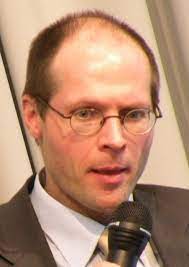
Rwanda's impressive strides in poverty reduction have been applauded by the UN Special Rapporteur on extreme poverty and human rights, Olivier De Schutter, who recently concluded his official mission to the country. However, his message was clear: the country's hard-won progress risks being reversed if the government proceeds with drastic budget cuts to health and social protection systems, especially amid rising national debt and diminishing international aid.
Significant Progress, But Vulnerabilities Remain
Between 2017 and 2024, Rwanda successfully lifted around 1.5 million people out of poverty, an achievement that stands out globally and aligns with the country's Vision 2050 agenda. The nation's efforts in expanding access to education, basic healthcare, and economic empowerment programs have been central to this progress.
Yet, despite these achievements, an estimated 3.6 million Rwandans still live below the poverty line, the majority of whom are in rural areas, where poverty affects nearly one in three individuals—almost twice the rate of urban regions. Stark regional disparities persist, with Western and Southern Provinces among the most affected.
Inequality is also a pressing concern: the top 1% of earners capture 20% of the country's income, nearly double that of the bottom 50%, highlighting structural imbalances in wealth distribution.
Economic Challenges Prompt Austerity
Rwanda is currently grappling with serious economic pressures. As of January 2025, the country's public debt reached 78.7% of GDP, pushing the government to introduce fiscal austerity measures aimed at reducing the budget deficit from 6.9% to 3.3% within two years.
Describing this move as "economic shock therapy", De Schutter warned against using austerity to balance budgets at the cost of the most vulnerable. "The persistence of poverty in rural areas, and especially among those who depend on agriculture for their livelihoods, should guide the hard choices facing the government," he cautioned.
Cuts in Health and Social Protection Raise Alarms
De Schutter expressed deep concern over trends in government spending. Notably:
-
The health budget as a share of national expenditure has fallen from 10% to 7% since FY 2020/21.
-
Social protection funding has been slashed by 22% in the 2024/25 budget, with an additional 30% reduction anticipated for the following fiscal year.
These cuts come at a time when donor support, on which Rwanda heavily depends for health and social welfare programs, is becoming increasingly unpredictable. The Special Rapporteur stressed the need for Rwanda to "urgently rethink how to sustainably finance these life-saving sectors by better mobilizing domestic resources."
Promising Initiatives That Must Be Safeguarded
Despite the concerns, De Schutter praised a number of programs that he said should not only be preserved but further strengthened:
-
The universal school feeding programme, vital for childhood development and education retention.
-
The Imibereho registry, which aims to identify and assist the poorest households.
-
Community-Based Health Insurance (CBHI), an affordable health scheme covering much of the population.
-
Ejo Heza, a voluntary long-term savings scheme providing support to both formal and informal workers.
However, gaps in unemployment insurance, maternity and family benefits, and minimum wage protections remain. According to De Schutter, the Ingoboka cash transfer program is limited in scope, and one in four Rwandan workers still lives in poverty. Low unionisation further exacerbates labor vulnerabilities.
Public Participation and Human Rights at the Core of Development
De Schutter stressed the importance of inclusive governance and civic engagement, warning against the government's practice of branding dissent as "instigating divisions" or "inciting civil unrest." He underscored that true development cannot be achieved without public participation and constructive criticism.
"Only governments that listen and learn are equipped to serve the population," he said. "Participation allowing for genuine concerns to be put forward and bottom-up solutions to be proposed is an indispensable ingredient of development."
Looking Ahead: Final Report in 2026
The Special Rapporteur's final findings and policy recommendations will be detailed in a report to be presented to the UN Human Rights Council in June 2026. He concluded his mission by urging the Rwandan government to protect human rights as a central pillar of poverty eradication, avoid short-term fiscal decisions that disproportionately affect the poor, and invest in social resilience.
As Rwanda continues to navigate economic challenges and seeks to maintain its developmental momentum, De Schutter's visit serves as a crucial reminder that inclusive, rights-based policy choices are key to ensuring that gains in poverty reduction are not only preserved but extended to every corner of the country.
ALSO READ
-
UN Lists 214 Companies Linked to Israeli Settlements, Urges Action on Human Rights
-
Ethiopia Fighting Hits Schools and Cuts Lifelines as UN Warns Against Return to War
-
Colombia’s Tougher Drug Crackdown Could Deepen Racism Against Afro-Colombians
-
Yemen’s Civilians Face Fresh Horror as Fighting Displaces 125,000 and Kills Children


 Google News