

Cabinet Approves Revised ₹5,940 Cr Jharia Master Plan for Rehab & Safety
The Jharia coalfield, one of India's largest and most fire-prone coal reserves, has witnessed underground mine fires and subsidence for over a century.
- Country:
- India
In a landmark decision aimed at addressing one of India's most persistent mining-related crises, the Cabinet Committee on Economic Affairs (CCEA), chaired by Prime Minister Shri Narendra Modi, has approved the Revised Jharia Master Plan (JMP). The comprehensive plan is set to tackle the longstanding issues of coal seam fires, land subsidence, and ensure the humane rehabilitation of thousands of affected families in the Jharia coalfield region of Jharkhand.
The revised plan, which comes with a financial outlay of ₹5,940.47 crore, represents a transformative vision for the region—shifting the focus from emergency response to sustainable livelihood creation, infrastructure development, and community empowerment.
Prioritizing Fire Mitigation and Resettlement of Vulnerable Families
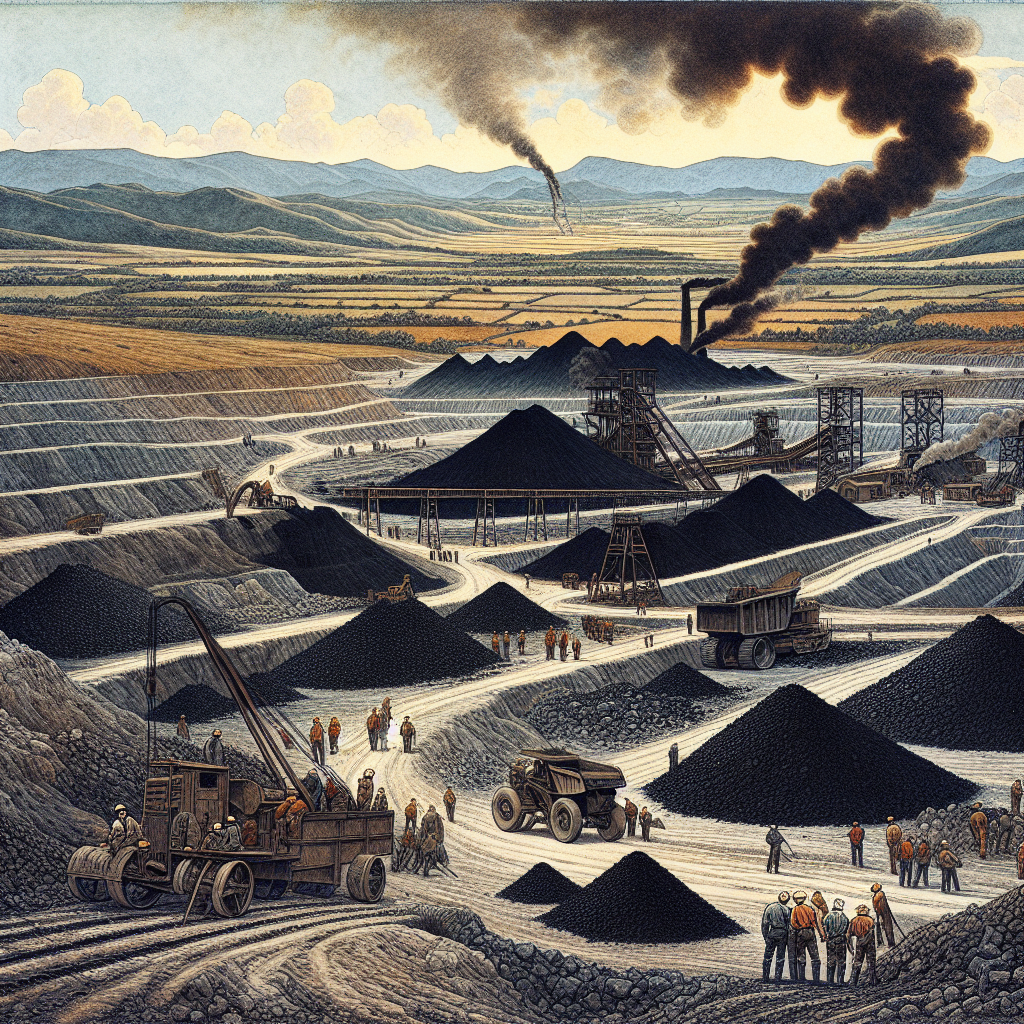
The Jharia coalfield, one of India's largest and most fire-prone coal reserves, has witnessed underground mine fires and subsidence for over a century. These have endangered lives, destroyed properties, and degraded the environment in towns such as Dhanbad, Bokaro, and Jharia itself.
The revised JMP adopts a phase-wise approach, giving priority to the most vulnerable and high-risk areas. This includes:
-
Extinguishing coal seam fires through advanced scientific techniques.
-
Stabilizing subsidence zones to prevent further environmental damage.
-
Rehabilitating families from the most dangerous locations as a top priority.
The strategy also emphasizes collaboration among central and state agencies, including Coal India Ltd., Bharat Coking Coal Ltd., the Government of Jharkhand, and local administrative bodies.
Livelihood and Economic Support: Key Innovations in the Revised Plan
One of the most progressive features of the revised plan is its robust emphasis on sustainable livelihoods, moving beyond mere relocation. The plan mandates the implementation of targeted skill development programmes and income-generating schemes to ensure the economic independence of resettled families.
Key provisions include:
-
A Livelihood Grant of ₹1 lakh per family (both Legal Title Holders and Non-Title Holders).
-
Access to institutional credit support of up to ₹3 lakh, allowing beneficiaries to start micro-enterprises, self-employment initiatives, or skill-based services.
-
Establishment of a Jharia Alternative Livelihoods Rehabilitation Fund, to finance entrepreneurial projects, women-led enterprises, and cooperative models.
Skill development initiatives will be conducted in partnership with Multi Skill Development Institutes (MSDIs) active in the region, ensuring training is aligned with market demands in construction, mining safety, healthcare, tailoring, digital services, and more.
Comprehensive Infrastructure and Amenities at Resettlement Sites
The rehabilitation strategy under the Revised JMP is not limited to housing. It includes the development of comprehensive physical and social infrastructure that supports dignified living standards and long-term community development.
The new resettlement zones will include:
-
Paved roads and transportation links
-
24x7 electricity and safe drinking water supply
-
Sewerage and sanitation networks
-
Government schools, hospitals, and anganwadis
-
Skill development centres and community halls
-
Playgrounds and green public spaces
These facilities will be designed and executed based on recommendations from the Committee for Implementation of the Revised JMP, ensuring they meet the evolving needs of the relocated population.
A Human-Centric Approach Rooted in Inclusion and Resilience
The updated master plan reflects a major policy shift towards a human-centric, inclusive model of rehabilitation, taking into account the lived realities of the affected families. Importantly, Non-Legal Title Holder (Non-LTH) families—who often get left out in regular government resettlement schemes—will also receive equal benefits under this plan.
In addition to physical resettlement, the plan ensures psychological and social integration through:
-
Community engagement sessions
-
Counselling support
-
Post-relocation handholding by local development officers
This shift from a reactive approach to a developmental and participatory framework signifies the government's commitment to long-term safety, dignity, and prosperity in the Jharia coalfields.
Way Forward: Coordinated Execution and Long-Term Monitoring
To ensure effective implementation, a dedicated monitoring mechanism involving stakeholders from Ministry of Coal, Ministry of Skill Development, and NITI Aayog will oversee progress on ground. Milestones will be monitored quarterly with strong emphasis on transparency, community feedback, and adaptive planning.
The revised JMP also aims to make Jharia a model for sustainable mine area rehabilitation in India, drawing lessons that can be replicated in other mining-affected districts like Raniganj, Korba, and Talcher.
The approval of the Revised Jharia Master Plan is a critical milestone in India's efforts to mitigate the human and environmental toll of unregulated coal mining. With its multi-pronged approach that blends safety, social development, and sustainability, the plan seeks to turn one of India's oldest environmental disasters into an opportunity for renewal, equity, and resilience.


 Google News