

UNHCR Warns of Instability as Over 640,000 Afghans Return from Iran in 2025
UNHCR reports a sharp acceleration in daily returns since mid-June, and fears the situation could deteriorate further if expulsions continue at the current pace.
- Country:
- Afghanistan
The United Nations Refugee Agency (UNHCR) has raised alarm over the escalating number of Afghans returning from Iran under increasingly adverse and often involuntary conditions. More than 640,000 individuals have crossed back into Afghanistan since March 20, 2025, when the Iranian government began enforcing a return deadline. Among them, over 366,000 have been deported, including documented refugees and individuals in refugee-like circumstances.
This massive wave of returns is placing extraordinary pressure on Afghanistan's already fragile humanitarian landscape. The UN warns that without urgent international support and a coordinated reintegration plan, this influx could deepen instability across the country and ripple beyond its borders.
A Humanitarian Emergency at the Border
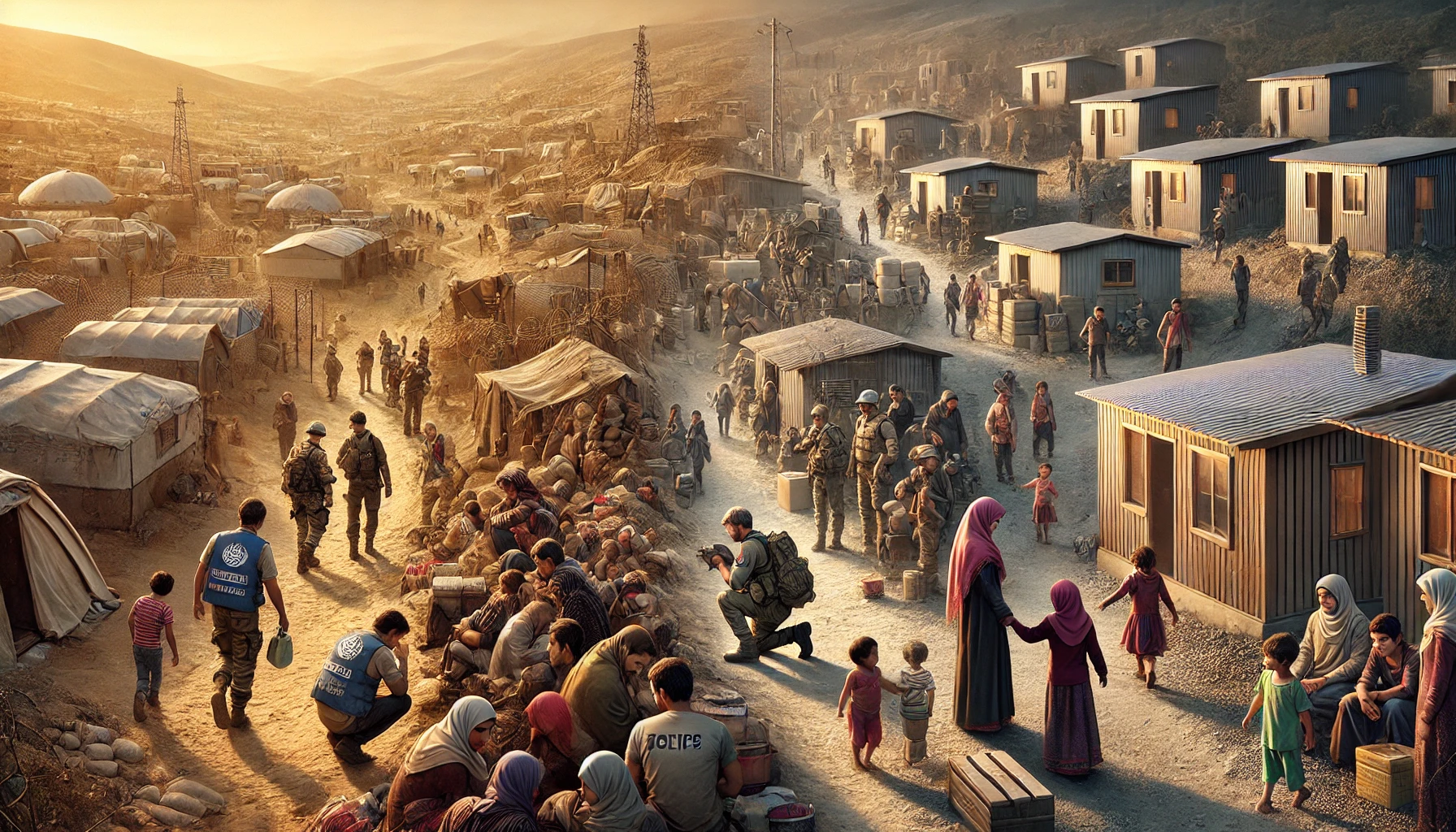
The situation reached a critical peak on June 26, when approximately 36,100 Afghans returned to Afghanistan in a single day—the highest number recorded since the onset of the return campaign. UNHCR reports a sharp acceleration in daily returns since mid-June, and fears the situation could deteriorate further if expulsions continue at the current pace.
"I was just at the border between Iran and Afghanistan, where thousands of Afghans are returning under adverse circumstances," said Arafat Jamal, UNHCR Representative in Kabul. "Afghan families are being uprooted once again, arriving with scant belongings, exhausted, hungry, scared about what awaits them in a country many of them have never even set foot in. Women and girls are particularly worried, as they fear the restrictions on freedom of movement and basic rights such as education and employment."
These mass returns are part of a broader trend. In total, over 1.2 million Afghans have returned or been forced to return from both Iran and Pakistan since the beginning of 2025, placing extraordinary strain on Afghanistan's fragile infrastructure and humanitarian systems.
A Country on the Brink
Afghanistan remains one of the most vulnerable countries in the world, grappling with compounding crises including political uncertainty, economic collapse, and chronic food insecurity. More than half the population—an estimated 24 million people—depend on humanitarian assistance for survival, according to the United Nations.
UNHCR and its partners warn that the forced or pressured return of vulnerable populations into this context could result in further internal displacement, social unrest, and destabilization. Particularly concerning is the impact on women and girls, who face severe restrictions under the current regime, limiting their access to education, employment, and even movement.
Humanitarian Response Underfunded
UNHCR is working in close collaboration with sister UN agencies, non-governmental organizations, and local partners to provide emergency assistance at key border points. This includes immediate support such as food, water, shelter, medical care, and protection services, alongside longer-term aid aimed at reintegration, livelihoods, and psychosocial support.
However, funding shortfalls are critically hampering these efforts. As of June 2025, UNHCR's response to the Afghanistan situation is only 23 percent funded, far below the level required to meet the scale and urgency of the crisis.
"We need to act fast. We urgently call on the international community to help us respond—not just with emergency aid, but with longer-term support," emphasized Arafat Jamal. "Funding for sustainable reintegration is essential to prevent cycles of instability and displacement."
UNHCR has reiterated its calls for returns to be voluntary, safe, and dignified, in accordance with international refugee law. The agency is urging regional governments, particularly Iran and Pakistan, to pause deportations and collaborate on comprehensive return frameworks that prioritize human rights and regional stability.
Regional and Global Implications
The ramifications of this unfolding crisis extend beyond Afghanistan's borders. Without adequate reintegration mechanisms, returning populations may be forced to flee again—either internally or across borders—fuelling further cycles of displacement and undermining regional security.
UNHCR warns that unless decisive action is taken, Afghanistan may see the reemergence of mass displacement not only within the country but across South and Central Asia, placing additional pressure on neighboring countries and exacerbating geopolitical tensions.
A Call for Global Solidarity
UNHCR joins humanitarian and development partners in calling for urgent and substantial funding, coordinated policy responses, and renewed global solidarity to support Afghan returnees and their communities. Sustainable reintegration must be prioritized as a humanitarian and political imperative to avoid a worsening crisis.
As returns continue unabated and the humanitarian situation deteriorates, the need for a comprehensive, well-funded, and rights-based response has never been more pressing. The fate of hundreds of thousands of Afghan families now depends on whether the international community rises to meet this moment.


 Google News