

UN Expert Warns of ‘Femi-Genocide’ in Gaza, Urges Global Action for Justice
A major component of what Alsalem has labeled femi-genocide is the deliberate use of reproductive and hunger-based violence.
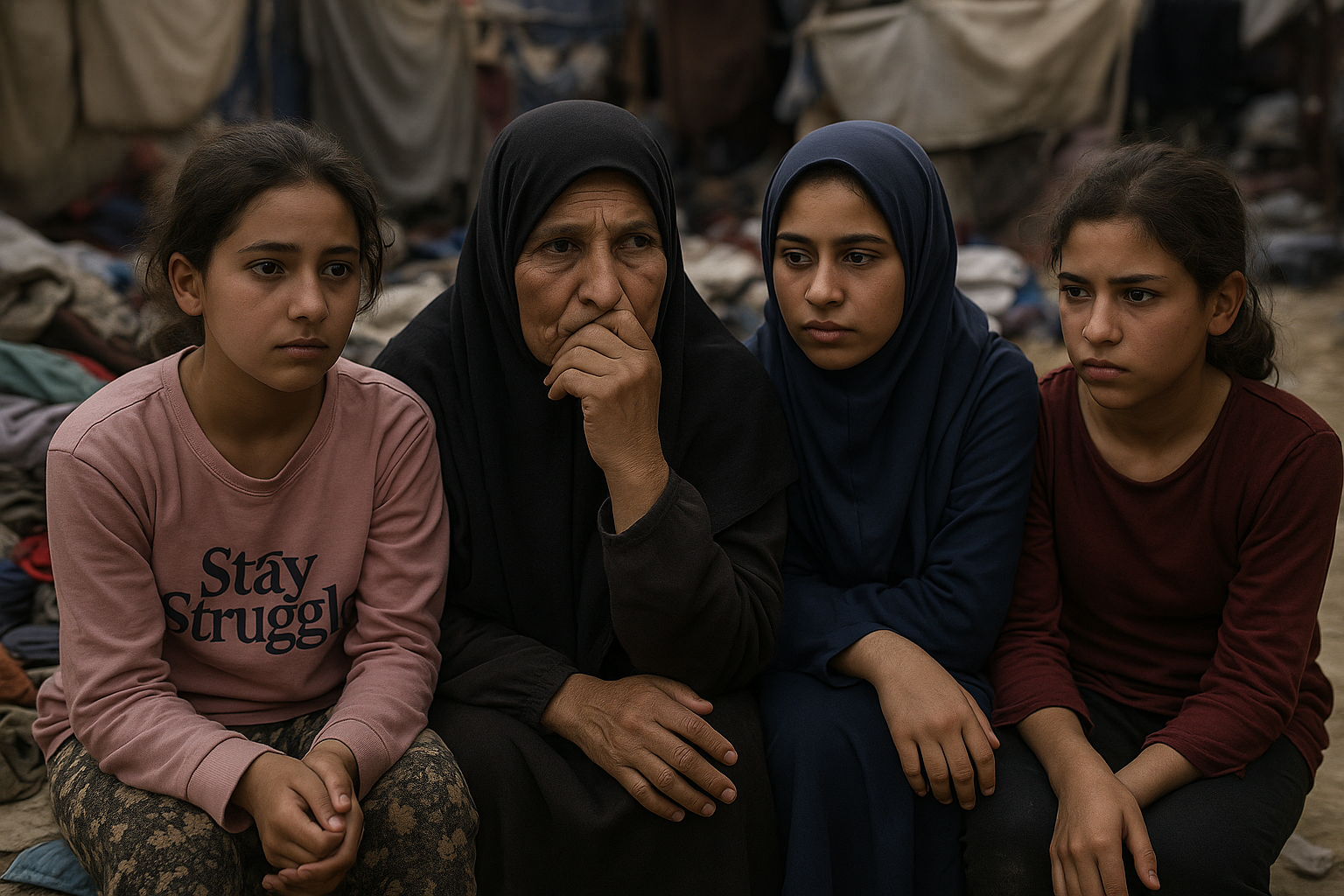
In a stark and unprecedented call to action, Reem Alsalem, the UN Special Rapporteur on violence against women and girls, has declared that the scale of atrocities committed against Palestinian women and girls in Gaza amounts to an unfolding "femi-genocide"—a term she says is necessary to accurately capture the deliberate and gendered nature of mass violence currently taking place.
Speaking on 18 July 2025, Alsalem called on the international community to take immediate and decisive action to halt the ongoing atrocities, stressing that existing legal definitions and human rights frameworks are inadequate in describing the systematic destruction of Palestinian women and girls.
"What is happening to Palestinian women and girls is not collateral damage of war," she said. "It is the intentional destruction of their lives and bodies, for being Palestinian and for being women."
A Pattern of Deliberate Violence
Alsalem's latest statement builds upon findings from her most recent report to the Human Rights Council, in which she concluded that Israeli forces are engaging in deliberate acts of violence against Palestinian women and girls with the intent to destroy their existence, as well as the continuity of the Palestinian people.
As of 9 July 2025, women and girls account for an estimated 67 percent of the 57,680 Palestinians killed since the escalation of conflict began in October 2023. The figures are not just numbers, Alsalem emphasized, but evidence of a systematic and gender-targeted campaign of extermination.
"There is more than one way to subject a people to genocide," she said. "Destroying them in whole or in part psychologically is one of them."
The Special Rapporteur pointed to the psychological warfare inflicted on Palestinian mothers, many of whom have watched their children starve, be buried alive, or die in bombings—a trauma that she described as "killing them repeatedly in a single day."
Starvation and Reproductive Violence
A major component of what Alsalem has labeled femi-genocide is the deliberate use of reproductive and hunger-based violence. With Gaza's healthcare infrastructure nearly obliterated, some 150,000 pregnant and lactating women have been left without essential medical care. An estimated 17,000 of them and 60,000 children under five are now suffering from acute malnutrition, with at least 60 children dying from starvation since March 2025.
"The destruction of Gaza's health infrastructure is reproductive violence," Alsalem said. "It is not a byproduct of war. It is a deliberate strategy to decimate future generations."
She condemned the Israeli authorities' continued blockade on baby formula, fuel, and medical supplies, which has left newborns in incubators without power, and has led to stillbirths and deaths among premature infants. Some newborns, she added, are now being born with genetic mutations possibly linked to malnutrition, trauma, and exposure to toxic materials from repeated bombardments.
Sexual and Gender-Based Violence
Alsalem also raised alarm over rising reports of sexual violence, including rape, perpetrated by Israeli forces against women and girls. Additionally, the breakdown of social systems in Gaza, combined with overcrowding and a lack of protection services, has reportedly triggered increases in intimate partner violence, child abuse, and sexual exploitation within displaced communities.
"The terror women are experiencing has become so normalized that it is now the new accepted reality, even in other conflicts," she said. "No one seems to bat an eyelid anymore."
She warned that this erosion of international legal norms, and the failure of the international community to enforce them, is creating a precedent for impunity in future conflicts, where women's suffering will continue to be ignored or trivialized.
International Legal Obligations and Urgent Appeals
Alsalem stressed that States have a legal and moral obligation under the Genocide Convention, Geneva Conventions, and international human rights law to intervene, investigate, and prosecute acts of genocide and crimes against humanity.
She called on governments and multilateral organizations to:
-
End the Israeli blockade and military offensive in Gaza
-
Ensure safe and unimpeded access to humanitarian aid
-
Support independent investigations into sexual and gender-based crimes
-
Integrate women's experiences and testimonies into accountability mechanisms
-
Promote survivor-centered justice models
"The continuity of Palestinian life depends on it. Our collective humanity and future depend on it," Alsalem concluded.
Mounting Global Pressure
Alsalem's statement joins a growing chorus of UN experts, humanitarian agencies, and civil society organizations calling for a ceasefire and independent investigations into the conduct of both the Israeli military and armed groups during the conflict.
While the international legal system has mechanisms in place to address war crimes and crimes against humanity, Alsalem's call for recognition of femi-genocide signals a broader shift—one that demands the global community rethink how it classifies and responds to gendered mass atrocities, particularly in long-term occupation and conflict settings.
As the humanitarian catastrophe in Gaza deepens, Alsalem's plea for immediate action stands as a powerful indictment of international inaction and a call to restore accountability, justice, and protection for women and girls at the heart of conflict.


 Google News