

Israeli Minister’s Jail Taunts of Barghouthi Spark Outrage Amid Gaza Crisis
International law is clear: all persons deprived of liberty must be treated humanely, with dignity, and with their fundamental rights safeguarded.
Footage circulating this week of Israeli National Security Minister Itamar Ben-Gvir berating and taunting Palestinian leader Marwan Barghouthi inside an Israeli detention facility has sparked widespread condemnation. Human rights advocates have described the incident as a direct assault on Barghouthi's dignity and a dangerous signal from the minister responsible for overseeing Israel's prison system.
Violation of International Standards
International law is clear: all persons deprived of liberty must be treated humanely, with dignity, and with their fundamental rights safeguarded. The actions of Minister Ben-Gvir—broadcast to the public—represent not only an inappropriate breach of ministerial conduct but also a form of humiliation that may embolden mistreatment of Palestinian detainees more broadly.
Barghouthi, a prominent Palestinian political figure imprisoned since 2002, has long been seen as a potential unifying leader in any future Palestinian political reconciliation process. Publicly degrading him in this manner risks inflaming tensions further and may constitute cruel and degrading treatment under international humanitarian and human rights law.
Escalating Violence in Gaza
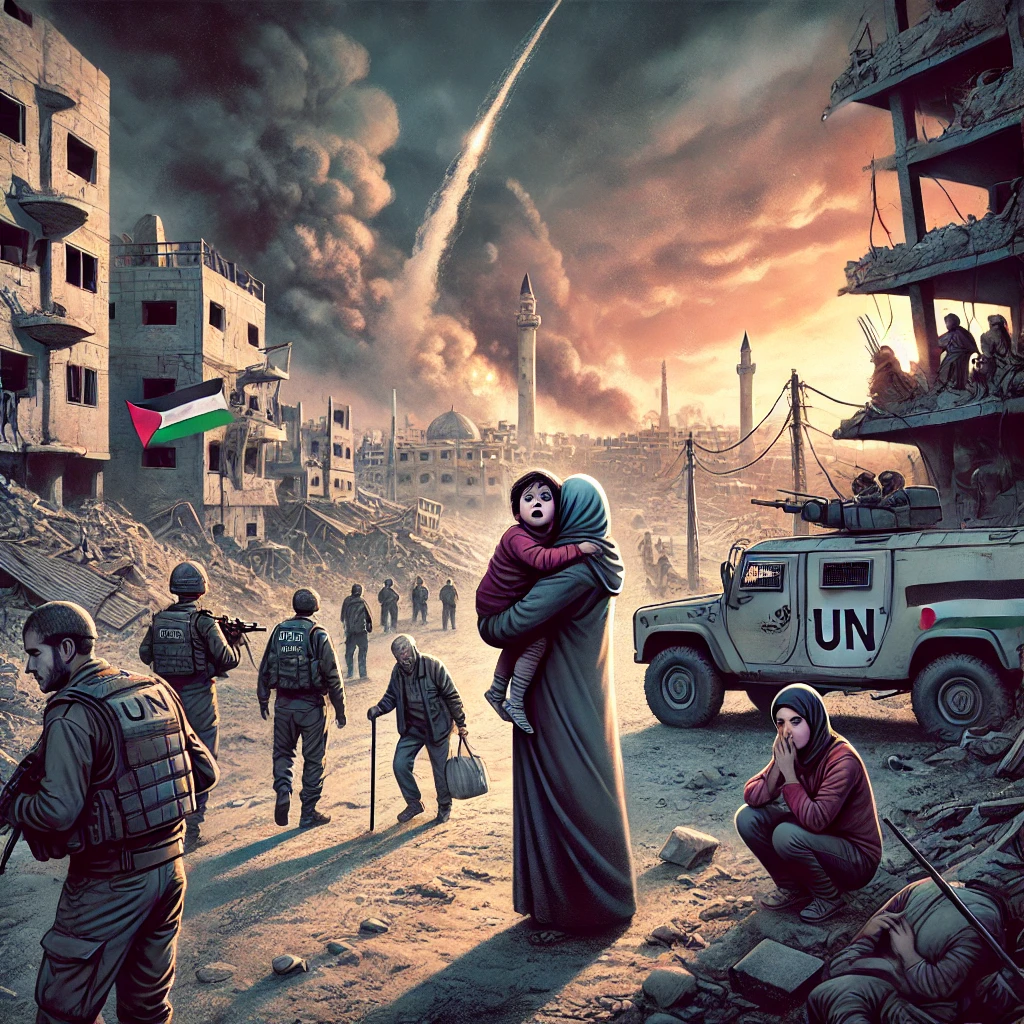
The jail incident coincides with escalating military operations in Gaza, where the Israeli army has intensified strikes in the north while issuing new displacement orders for residents of Gaza City. Civilians have been told to move to Al Mawasi, a coastal strip that Israeli authorities have designated as a "safe zone."
Yet even there, safety is elusive. On 16 and 17 August, at least five attacks were recorded on makeshift tents sheltering internally displaced people in Al Mawasi, killing at least nine civilians. Humanitarian monitors note that ongoing bombardment in supposed safe zones highlights the absence of any genuine civilian refuge.
Humanitarian Collapse and Risk of Starvation
Al Mawasi now hosts hundreds of thousands of displaced Palestinians. Conditions are dire: most families have little or no access to clean water, electricity, sanitation, or adequate shelter. Food supplies are scarce, and the risk of widespread starvation looms large.
Observers and aid agencies have pointed to Israel's restrictions on humanitarian aid as the direct driver of this crisis. Despite mounting international appeals, only small, intermittent quantities of food and supplies have been allowed to enter Gaza in recent weeks—amounts far below what is needed to sustain the population.
Deadly Pursuit of Food
The desperation is deadly. From 27 May to 17 August, humanitarian groups documented at least 1,857 Palestinians killed while attempting to access food.
-
1,021 deaths occurred in or near Gaza Humanitarian Foundation distribution sites.
-
836 deaths were recorded along aid delivery routes, often near supply trucks.
Most of these killings are reported to have been carried out by the Israeli military. Human rights monitors warn that the combination of deliberate restrictions on food aid and attacks on civilians seeking it may amount to collective punishment and a violation of international law, including the Geneva Conventions.
Global Concern and Calls for Accountability
The twin crises—humiliation of prisoners in Israeli detention and mass civilian suffering in Gaza—have reignited global concern about Israel's adherence to international norms. Human rights organizations are urging:
-
Independent investigations into the conduct of senior officials, including Minister Ben-Gvir.
-
Immediate guarantees of safety and dignity for all detainees, including Palestinian political prisoners.
-
Unrestricted humanitarian access to Gaza, with sustained deliveries of food, medical supplies, and shelter materials.
-
Protection of civilians from forced displacement, targeting, and starvation.
A Moment of Reckoning
For many, the juxtaposition of Ben-Gvir's taunts in a prison cell and the starvation of families in Gaza paints a stark picture of systemic disregard for Palestinian rights—whether behind prison walls or under military siege.
The international community is being called upon to respond decisively, not only with condemnation but with meaningful action to enforce accountability, uphold humanitarian law, and protect civilians.
As the humanitarian situation deteriorates further, the world is reminded that dignity, protection, and the right to life are not privileges—they are obligations under international law.
ALSO READ
-
West Bank Checkpoints Are Taking Palestinian Time, Livelihoods and Lives, UN Expert Warns
-
Iran’s Civilians Trapped Between State Repression and Deadly Strikes, UN Warns
-
UN Experts See UK Settlement Curbs as Turning Point, Urge Action Over Occupation
-
US Approves Potential Sale of F-35 Jets to Saudi Arabia, Shifting Middle Eastern Power Dynamics
-
Diplomatic Dynamics: US Greenlights Iranian Delegation for UN Visit Amid Conflict


 Google News