

Bangladesh Faces Resource Strain Amid Rohingya Crisis
Bangladesh's Chief Adviser Muhammad Yunus declared the country's inability to further support 1.3 million Rohingya refugees, urging international intervention for a sustainable solution. Refugees, mainly children, reside in overcrowded camps since fleeing Myanmar's military crackdown in 2017, straining Bangladesh's resources. Calls for repatriation intensify amid dwindling aid and closed schools.
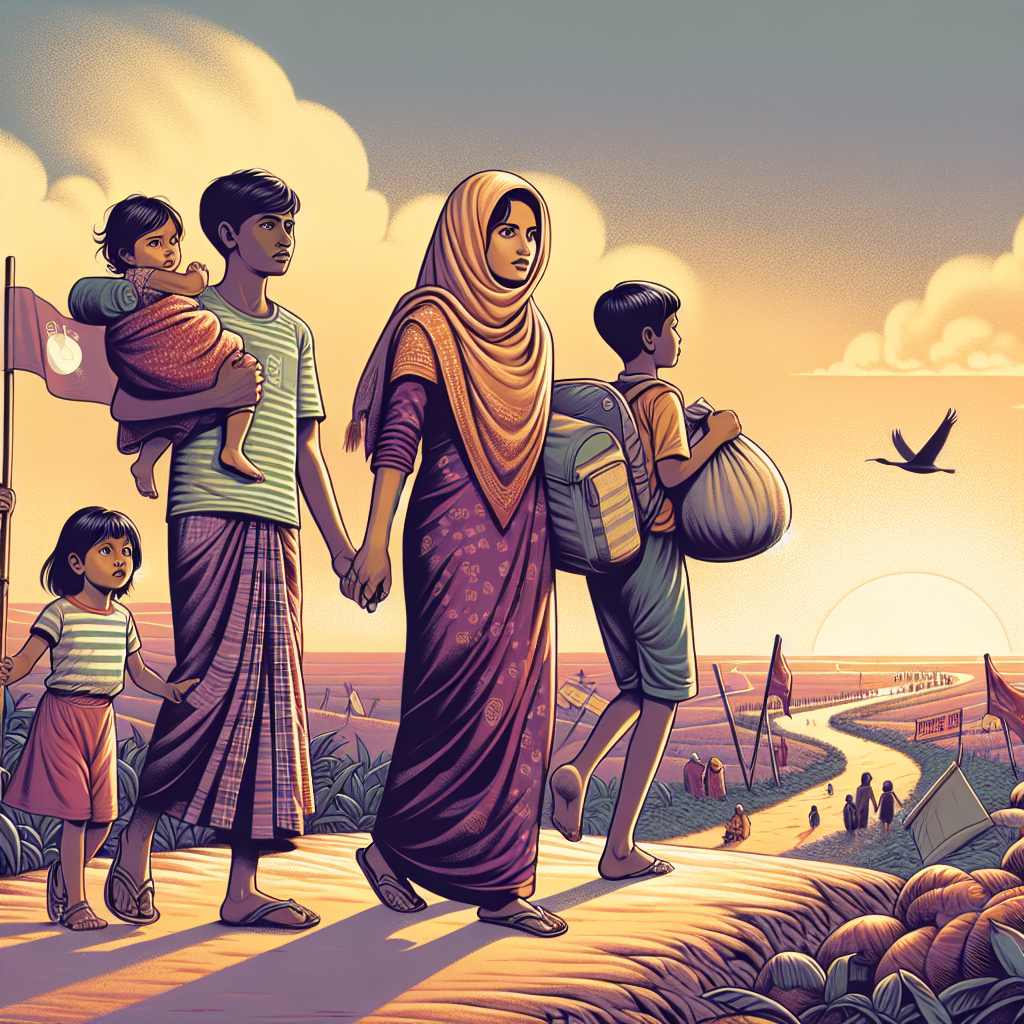
Amid growing tensions and resource challenges, Bangladesh's Chief Adviser Muhammad Yunus asserted that the nation cannot extend further aid to its 1.3 million Rohingya refugees. Addressing an international audience, Yunus called for immediate action to facilitate a sustainable solution to the ongoing crisis.
The influx has heavily burdened Bangladesh's economy, environment, and governance structures. Considering the current limitations, Yunus stressed the immediate need for a comprehensive international roadmap advocating for the Rohingya's safe return to Myanmar.
The call for global attention comes as Rohingya refugees, primarily settled around Cox's Bazar, held rallies demanding the end of their prolonged displacement. Meanwhile, Bangladesh continues to grapple with the additional 150,000 arrivals from Myanmar, underlining the urgent need for international assistance.
ALSO READ
-
Refugee Protection Nears Breaking Point: UN Funding Cuts Put 8.3 Million Lives at Risk
-
Bangladesh Secures $100m ADB Loan to Help 40,000 Families Build Safer Homes
-
Refugees and Host Communities in Ethiopia at Heart of New ILO and UNHCR Work Pact
-
Yemen Violence Displaces 130,000 as Shelters Fill and Aid Funding Runs Short
-
ADB Backs Bangladesh’s Power Upgrade With $200M for Growing Dhaka Communities


 Google News