

Trump's Middle East Strategy Faces Skepticism Amid Gaza Conflict
Amid the intensifying conflict in Gaza, Donald Trump plans a White House meeting with Israeli leader Benjamin Netanyahu. A proposed 21-point peace plan faces skepticism from Israeli and Arab diplomats. Humanitarian concerns rise as Israeli forces advance and the UN urges evacuations in besieged Gaza areas.
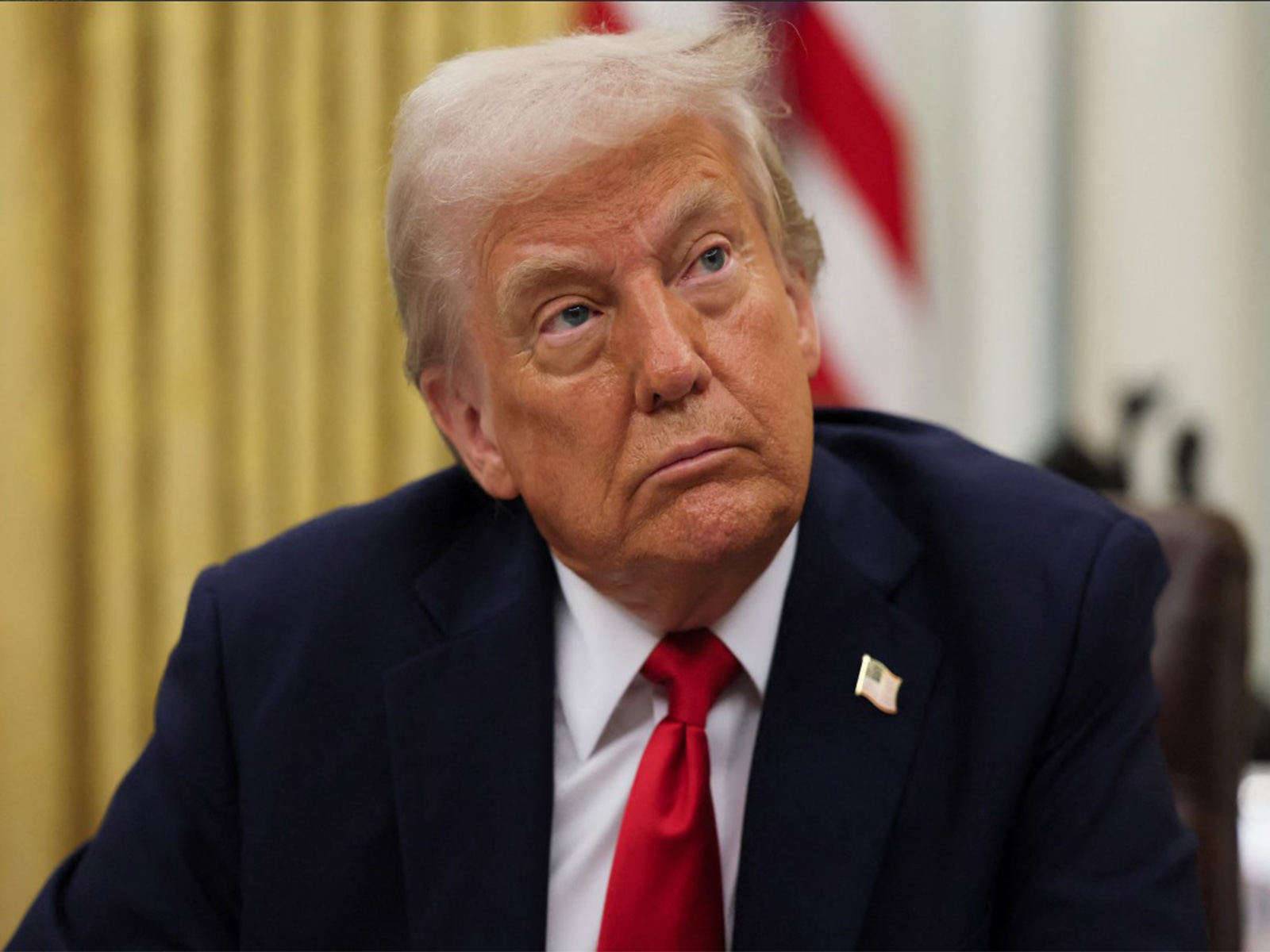
Israeli tanks moved closer to Gaza City's heart on Monday ahead of a key meeting between Donald Trump and Benjamin Netanyahu at the White House, where the U.S. president has hinted at unveiling a 'special' initiative to end the war. A 21-point peace plan was presented to Arab and Muslim nations last week, promoting a permanent ceasefire and the release of hostages, as Trump expressed optimism in securing a deal.
Yet, skepticism prevails on both Israeli and Arab fronts. Israeli officials have requested adjustments to the proposal, while Arab states are assessing potential changes following Trump's meeting with Netanyahu. The plan's opposition stems from security concerns and fears of sidelining the Palestinian Authority in Gaza's future governance.
On the ground, Israel's offensive on Gaza City persists, leading to international concern over the humanitarian impact. The advance has prompted calls for the urgent evacuation of vulnerable patients from hospitals. Within Israel, the military campaign has sparked political divisions regarding the prospects of a peace agreement versus continuing the conflict.
ALSO READ
-
Air Cargo Demand Climbs 4.4% as Airlines Face Soaring Fuel Costs Ahead of Peak Season
-
Lee Jae Myung's Diplomatic Milestones: Balancing Amidst Global Tensions
-
Asian Stocks Surge Amid Global Inflation Concerns
-
Diplomatic Moves: Takaichi's UN Meeting with Trump
-
Trade War Chessboard: Agriculture, Energy, and Rare Earths in Focus


 Google News