

Commemorations Honour 160 Years Since Battle of Te Tarata Pā in Ōpōtiki
Māori Development Minister Tama Potaka joined local iwi for the commemoration, describing it as a time for remembrance, reflection, and renewed unity.
- Country:
- New Zealand
The 160th anniversary of the Battle of Te Tarata Pā was commemorated in Ōpōtiki today, marking a deeply significant moment for Te Whakatōhea, Ngāti Ira, and their descendants. The event brought together iwi, hapū, and community leaders to honour the extraordinary courage, resilience, and determination of their tūpuna who stood in defence of their whenua during one of the most turbulent periods in Aotearoa's colonial history.
Māori Development Minister Tama Potaka joined local iwi for the commemoration, describing it as a time for remembrance, reflection, and renewed unity. "The Battle of Te Tarata Pā reminds us of the extraordinary courage, determination, and resilience of our tūpuna in a time of conflict and change," Minister Potaka said.
Honouring Tūpuna and Upholding Cultural Memory
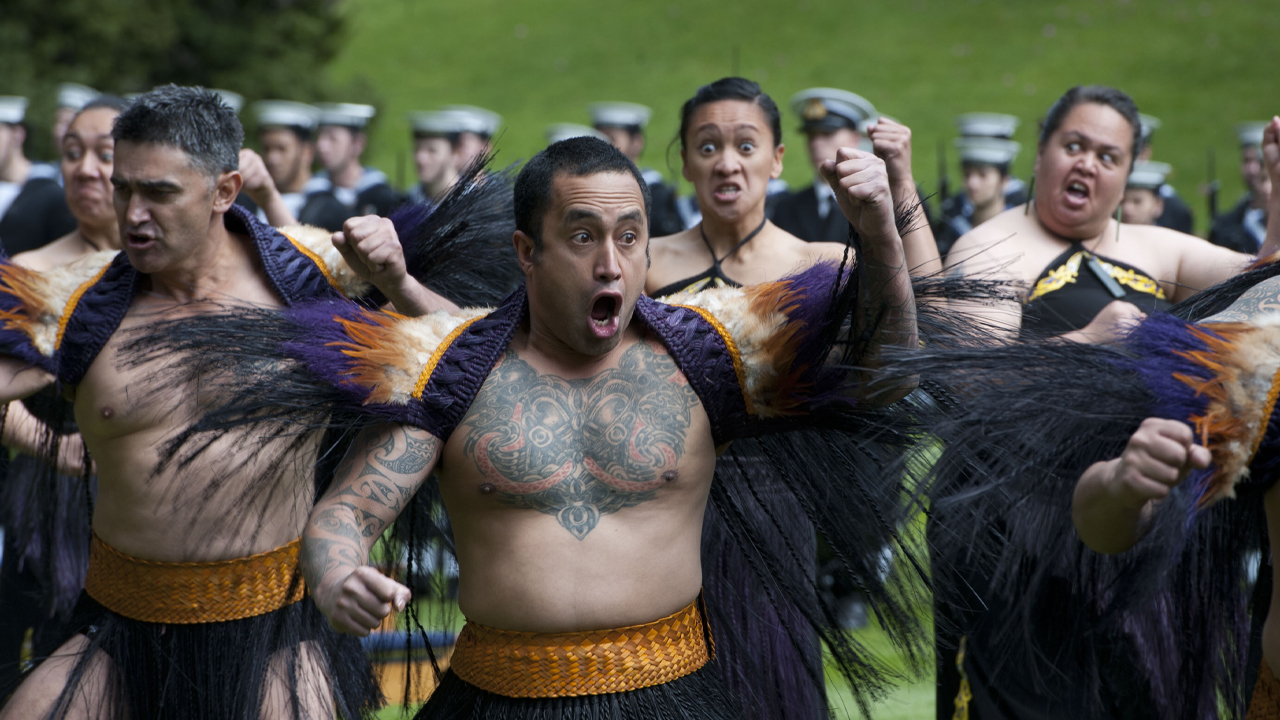
Held on the historic site of Te Tarata Pā, the commemoration featured karakia, waiata, historical reflections, and haka pōwhiri performed by local iwi groups. The event paid tribute not only to the warriors who fought 160 years ago, but also to the whānau who continue to uphold their legacy today.
"Today we gather to honour those who came before us, to acknowledge their sacrifices, and to ensure that their stories are remembered by future generations," Potaka said.
He emphasised that commemorations like Te Tarata are not simply about historical remembrance — they are acts of cultural preservation. "Commemorations such as Te Tarata play a vital role in strengthening collective memory, cultural identity, and the intergenerational passing down of kōrero tuku iho," he added.
The Enduring Significance of Te Tarata Pā
The Battle of Te Tarata Pā, fought in 1865 during the New Zealand Wars, was a defining moment for Te Whakatōhea and Ngāti Ira. The pā, located inland from Ōpōtiki, was a stronghold of local resistance during the Crown's military campaigns in the Eastern Bay of Plenty.
Te Tarata became symbolic of the mana motuhake (self-determination) of Te Whakatōhea and their struggle to defend their ancestral lands against colonial forces. The aftermath of the conflict led to extensive land confiscations (raupatu) and the displacement of many whānau, the impacts of which are still felt today.
For descendants, the commemoration is not only about remembering the pain of the past but also celebrating the endurance of culture and identity. Many whānau gathered to share stories, reconnect with whakapapa, and discuss pathways for ongoing reconciliation and restoration.
Partnership, Reconciliation, and the Path Ahead
Minister Potaka acknowledged the leadership of iwi, hapū, and local communities in organising the commemoration and ensuring it was observed with dignity, authenticity, and mana.
"The Crown's presence here today is part of an ongoing journey of understanding, respect, partnership, and honouring the enduring spirit of our people," he said.
He also reaffirmed the Government's commitment to supporting iwi-led historical commemorations and strengthening partnerships rooted in Te Tiriti o Waitangi. "These events remind us that our shared history is the foundation of our shared future," Potaka said.
Strengthening Whakapapa and Connection
For many attendees, the day represented more than remembrance — it was an opportunity to reconnect across generations. Descendants of those who fought at Te Tarata Pā reflected on the endurance of their culture despite hardship, the revitalisation of te reo Māori, and the continued importance of wānanga and storytelling in passing knowledge to tamariki and mokopuna.
Community leaders spoke about the need to weave these historical narratives into local education, ensuring that younger generations understand the significance of sites like Te Tarata and the resilience of their ancestors.
As the sun set over Ōpōtiki, the commemoration closed with a powerful haka — a tribute to those who fought to protect their people and a reminder of the strength that continues to define Te Whakatōhea and Ngāti Ira today.


 Google News