

UN Expert Declares Climate Crisis a Human Rights Emergency
In her latest report to the General Assembly, Lawlor paints a bleak picture of escalating hostility toward those campaigning for climate justice.
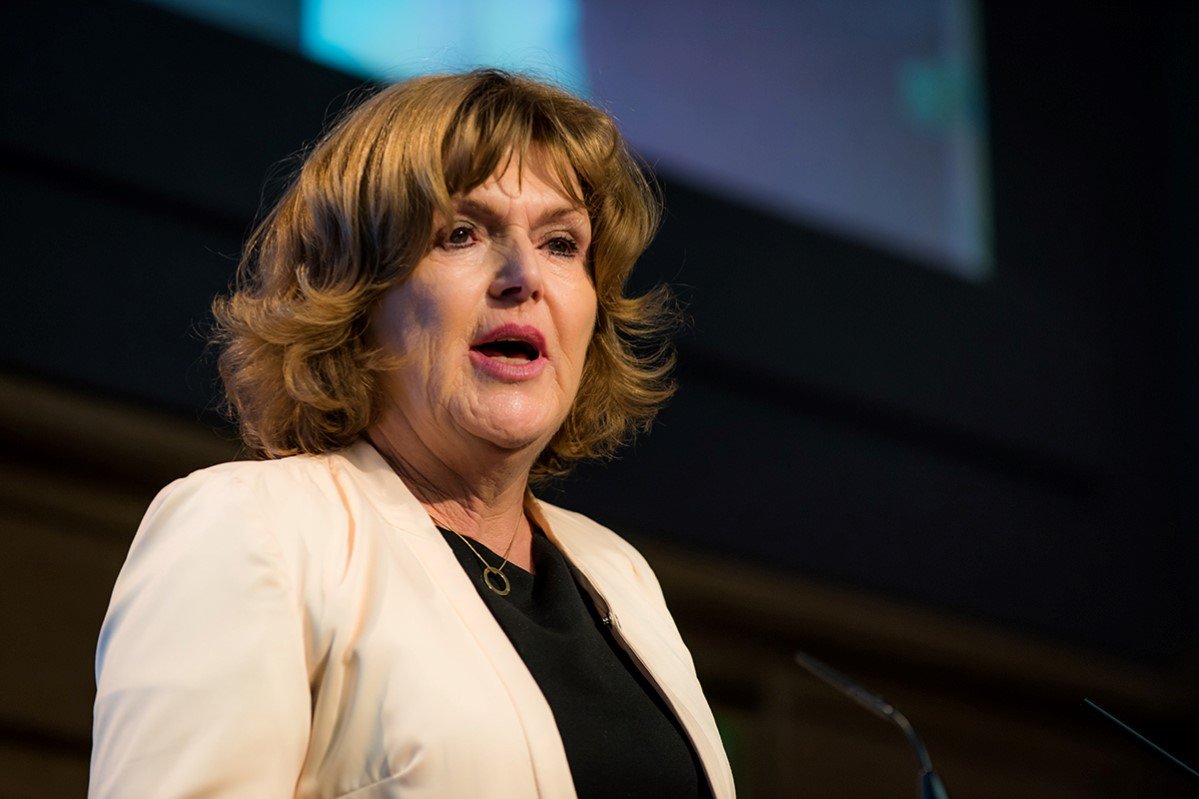
The climate crisis is no longer simply an environmental or economic concern — it is a full-blown human rights emergency. That was the stark message delivered by Mary Lawlor, the United Nations Special Rapporteur on the situation of human rights defenders, to the UN General Assembly. In a powerful and urgent address, Lawlor urged all governments to recognize and protect climate activists as human rights defenders and to put an end to the widespread attacks, criminalisation, and repression they face.
"States are repressing the voices of the exact people they should be working alongside," Lawlor declared. "Journalists, women human rights defenders, indigenous and traditional peoples are at particular risk, including those in communities already bearing the brunt of climate change."
Human Rights Defenders Under Siege
In her latest report to the General Assembly, Lawlor paints a bleak picture of escalating hostility toward those campaigning for climate justice. Far from welcoming public engagement and dissent, many states are actively silencing it — especially in nations with high historical emissions and those expanding fossil fuel infrastructure.
Lawlor's findings highlight a consistent global pattern: instead of engaging constructively with climate advocates, governments are opting for criminalisation, restrictive laws, police brutality, and surveillance. She noted that this backlash is not isolated to one region but is occurring on a global scale, threatening the very people who have fought for decades to slow the climate crisis.
These human rights defenders are not just environmentalists. They include a broad spectrum of voices — community leaders, land defenders, indigenous peoples, journalists, and women's rights activists — often operating in hostile, even life-threatening environments.
The Role of Human Rights Defenders in a Just Transition
Lawlor emphasized the indispensable role defenders play in the push for climate solutions, particularly in safeguarding forests and advocating for an equitable transition from fossil fuels to sustainable energy systems. She warned that without their voices, any "transition" risks becoming a new form of exploitation.
"There will be no 'just transition' if the current extractive model of energy production is copied and pasted onto the shift from fossil fuels," she said. A transition that mirrors the inequalities of the past — with large corporations and powerful governments imposing decisions from above — will fail both the planet and its people.
Lawlor called for a transition that "respects, protects, and preserves the possibility of the true realization of human rights for all," underscoring that environmental protection cannot be achieved at the expense of social justice.
Climate Activists Must Be Protected — Not Prosecuted
Civil disobedience and public advocacy are increasingly the last tools available to defenders who have been ignored by policymakers for years, Lawlor noted. As the climate crisis intensifies, their actions become more urgent — yet they face mounting legal and physical risks.
This repression is especially visible around major international climate events like the annual Conference of the Parties (COP), where civil society and indigenous voices have been marginalized, harassed, or even excluded from participation. Lawlor called for meaningful inclusion and protection for these groups at future climate conferences.
"The safe and meaningful participation of human rights defenders must be a priority at COPs," she said, pointing to a "litany of abuses" faced by activists seeking to influence global climate negotiations.
A Call to Action for Governments
Lawlor's message is unambiguous: defending the planet and defending human rights are inseparable goals. Governments must stop targeting climate activists and instead treat them as essential partners in the fight against global warming.
Her appeal to the UN General Assembly is a call to radical action — to end impunity for crimes against environmental defenders, to reform laws that restrict peaceful protest, and to center human rights in every aspect of climate policymaking.
"What we are seeing is completely unsustainable," Lawlor concluded. "There must be change, and that change must have human rights and human rights defenders at its core. There is far too much to lose."
As the world moves closer to the COP summit and climate disasters continue to unfold with unprecedented severity, Lawlor's message is a critical reminder: the climate crisis is not only about rising temperatures and melting glaciers — it is about people, justice, and the right to survive.
Unless states act decisively to protect those defending the environment, any promise of a "just transition" will remain hollow.
ALSO READ
-
Colombia’s Former Enemies Join Search for Disappeared as UN Praises Victim Justice
-
US Migrant Transfer Deals Put Thousands at Risk of Torture and Abuse, Experts Warn
-
Century After Slavery Convention, Millions Still Wait for Freedom and Justice
-
Clean Cooking Takes Centre Stage as Africa Pushes to Protect Nearly a Billion Lives
-
Aid Under Pressure: Global Leaders Call for Local Control and Recovery From Day One


 Google News