

Mashatile Calls for Refining B-BBEE Law to Boost Inclusivity, Not Repeal It
Mashatile noted that B-BBEE has always been grounded in the constitutional imperative to redress inequalities created by apartheid.
- Country:
- South Africa
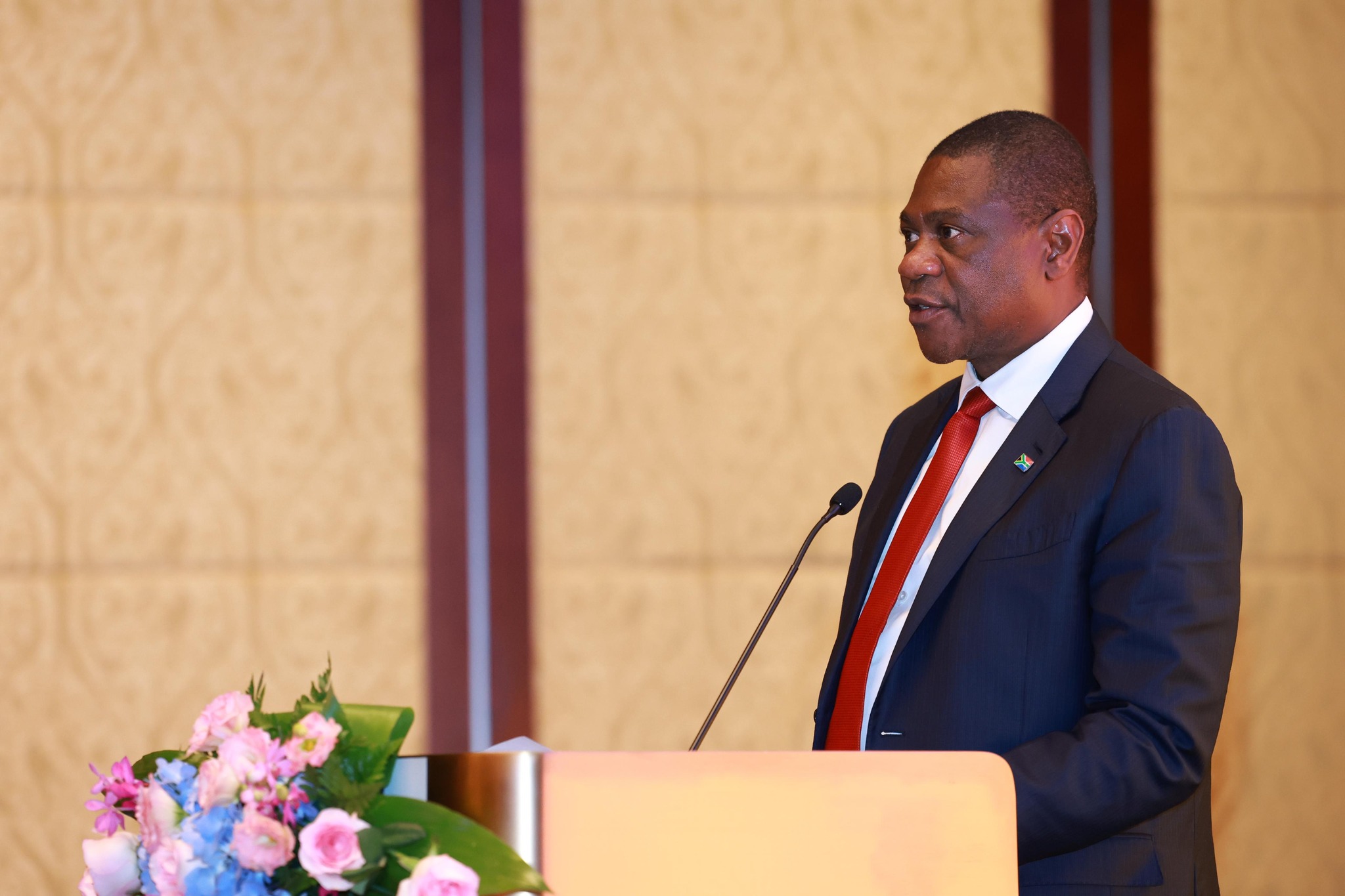
Deputy President Mashatile Backs Strengthening B-BBEE Policy Through Targeted Amendments Deputy President Paul Mashatile has reaffirmed government's commitment to advancing economic transformation through the Broad-Based Black Economic Empowerment (B-BBEE) framework, emphasizing that the legislation does not need to be scrapped, but rather refined to better deliver on its original mandate of inclusive economic participation.
Responding to questions from Members of Parliament during a recent oral reply session in the National Assembly, Mashatile said the current review of B-BBEE policies and legislation is aimed at strengthening the programme, closing implementation gaps, and ensuring that it effectively benefits the majority of South Africans who were historically excluded from economic activity.
"No Need to Repeal—Refine and Strengthen," Says Mashatile
Mashatile was clear that repealing the BEE Act would be counterproductive. Instead, he argued for a targeted and thoughtful review process led by the Department of Trade, Industry and Competition (dtic) to identify challenges and adjust the framework accordingly.
"We all want policies that ensure inclusion. B-BBEE is currently being reviewed, and the dtic is looking at where the gaps are. At the end of the day, we want legislation that will ensure we benefit the majority of South Africans," he said.
Mashatile noted that B-BBEE has always been grounded in the constitutional imperative to redress inequalities created by apartheid. As such, he argued, it must evolve—not be abandoned—to meet emerging economic realities, market dynamics, and developmental needs.
The Historical Mandate: Addressing Decades of Exclusion
The Deputy President reflected on the establishment of South Africa's first democratic government in 1994, which inherited an economy shaped by racial exclusion and unequal access to opportunities. He stressed that transforming the economy remains one of the pillars of democratic reform, alongside political and social transformation.
Following the political transition, government introduced a broad set of legislative tools to dismantle structural barriers and empower historically disadvantaged communities. B-BBEE remains one of the most significant instruments for correcting past injustices, widening economic participation, and ensuring that black South Africans gain meaningful access to ownership, management, skills development, and enterprise opportunities.
"To an extent that there may be weaknesses, let's correct that. Let's make amendments. That is why there is this review. There is no need to ditch the legislation and introduce something else," Mashatile added.
Ensuring the Policy Benefits the Majority
Mashatile assured South Africans that the review process will be evidence-based and aimed at improving implementation while maintaining the policy's core purpose—broad transformation and equitable growth. He reiterated that B-BBEE is meant to empower economically disadvantaged individuals, including youth, women, rural communities, and people with disabilities.
Government, he said, is committed to ensuring the framework better reflects current economic realities and reduces instances where empowerment benefits are concentrated among a limited few rather than reaching the broader population.
Inclusivity at the Centre of Economic Reform
According to Mashatile, the overarching vision is an economy where inclusivity, fairness, and opportunity underpin growth. This aligns with broader national priorities such as reducing unemployment, increasing enterprise development, and building sustainable community economic participation.
He emphasized that the review of B-BBEE policy is part of a wider, multi-sectoral effort to strengthen transformation tools—including industrial policy measures, skills development strategies, and targeted support programmes for black-owned businesses.
"Most of these reforms I am talking about are intended for inclusion. What we want is a B-BBEE framework that works better, reaches more people and supports real, measurable transformation," he said.
Government Reaffirms Its Commitment to Transformation
Mashatile concluded by assuring the public that government remains steadfast in its pursuit of a transformed, equitable, and inclusive economy. He stressed that B-BBEE will continue to form a central part of South Africa's transformation agenda, with improvements aimed at ensuring the legislation serves its intended beneficiaries more effectively.
As the review process continues, the nation will be watching how amendments may enhance accountability, broaden access to opportunities, and strengthen the framework's overall impact.


 Google News