



ILO–EU PROTECT Project Strengthens Rights, Safety of Migrant Workers in Thailand
Thailand’s fast-growing construction sector is heavily dependent on migrant labour from neighbouring countries such as Myanmar, Cambodia, and Lao PDR.
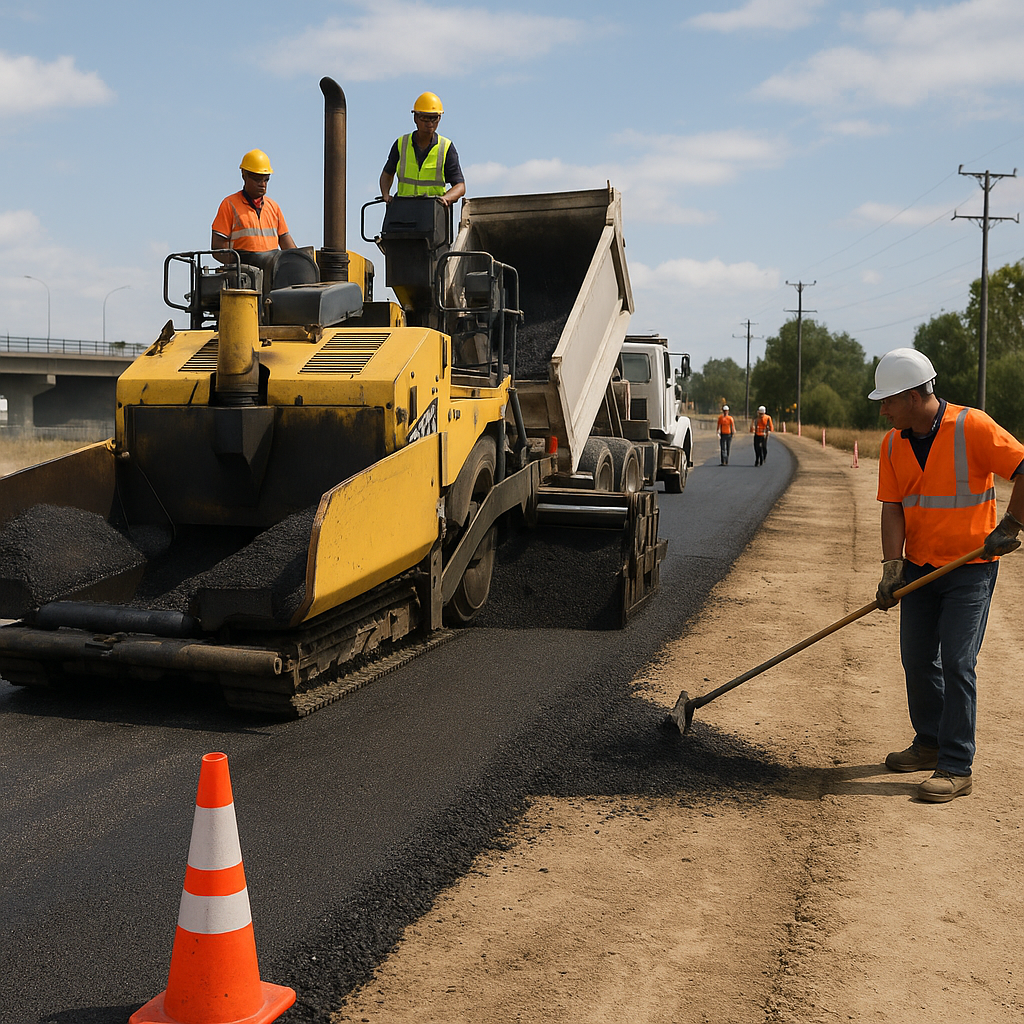
The International Labour Organization (ILO), through the European Union-funded PROTECT Project, is intensifying efforts to safeguard the rights and welfare of migrant workers in Thailand’s construction industry. The initiative, implemented in close partnership with civil society and private sector organizations, seeks to promote fair recruitment, prevent exploitation, and ensure safe and decent working conditions—particularly for women migrant workers who face heightened vulnerability.
Thailand’s fast-growing construction sector is heavily dependent on migrant labour from neighbouring countries such as Myanmar, Cambodia, and Lao PDR. While migrant workers play a crucial role in urban development and infrastructure expansion, many continue to face discriminatory practices, gaps in social security coverage, hazardous working environments, and limited access to essential protections.
Migrant Workers at the Heart of Thailand’s Construction Workforce
According to Thailand’s Department of Employment, approximately 600,000 migrant workers were employed in construction in 2022, with women making up nearly one-third of this workforce. Many of these individuals are hired through third-party subcontracting arrangements, a system that often leaves them isolated from labour protections, social security enrolment, fair wages, and grievance mechanisms.
This vulnerability was tragically highlighted in March 2025 when a major skyscraper under construction collapsed following a powerful earthquake. Beyond the 96 confirmed deaths, the incident uncovered staggering gaps in workers’ registration and protection: out of 900 workers at the site, only 59 were enrolled in the Social Security Office system. Many of the unregistered workers were migrants, underscoring systemic weaknesses in monitoring and compliance within the sector.
Women migrant workers face additional layers of discrimination, including wage inequality, limited access to maternal or reproductive healthcare, and a higher risk of gender-based violence both on-site and within their communities.
Empowering Migrant Worker Volunteers to Raise Awareness
To address these challenges, the ILO PROTECT Project, in collaboration with the World Vision Foundation of Thailand, has trained 15 Migrant Worker Volunteers to serve as frontline advocates and community leaders. These volunteers—most of whom are migrant workers themselves—receive training on:
-
Labour rights and entitlements
-
Occupational safety and health
-
Social protection mechanisms
-
Referral pathways for legal aid and protection services
-
Gender-based violence prevention and support
-
Access to healthcare and family planning
Armed with this knowledge, they conduct on-site and community-level awareness sessions throughout Bangkok and nearby provinces, reaching hundreds of migrant workers who may otherwise lack access to credible information.
The programme places strong emphasis on women migrant workers, ensuring they receive accurate guidance on workplace protections, maternity rights, equal pay, and safety protocols.
Strengthening Fair Recruitment and Responsible Business Practices
The PROTECT Project is also working directly with subcontractors and construction employers—key actors in hiring and managing migrant workers. Training sessions equip them with better understanding of fair recruitment principles, ethical labour practices, and the legal obligations they must fulfil under Thai labour law.
These sessions highlight the importance of:
-
Transparent employment contracts
-
Accurate wage payments
-
Protection from debt bondage
-
Social security registration
-
Safe accommodation and transport
-
Mechanisms for reporting violations
By engaging both workers and employers, the initiative establishes a comprehensive model for improving labour governance across the construction sector.
Voices From the Field
For many workers, the PROTECT training is their first opportunity to learn about essential protections. Oh, a Lao migrant construction worker, shared her experience:
“I’ve learned a lot from the training, especially about healthcare, family planning, and occupational safety. For many of us, it was the first time we received this kind of information. I find it very beneficial for me and my peers, especially as we encounter various hazards in our daily work.”
Her sentiments reflect a broader issue: many migrant workers lack access to even basic knowledge about their labour rights, resulting in exploitation and unsafe practices becoming normalized.
Reaching Communities Across Greater Bangkok
Implemented across six provinces in the Greater Bangkok area—Bangkok, Pathum Thani, Nonthaburi, Samut Prakan, Nakhon Pathom, and Chonburi—the PROTECT Project demonstrates the power of inclusive collaboration. The initiative brings together government agencies, civil society, employers, community-based organizations, and international partners, all united in the mission to create safer and more supportive working environments for migrant workers.
Sophia Kagan, Chief Technical Advisor of the PROTECT Project, emphasized the transformative role of trained migrant volunteers:
“Through the PROTECT project, we have supported migrant worker volunteers with trainings and capacity building to take active roles in their communities, serving as community liaison points on information and referral services on labour, health, and violence against women workers in the world of work.”
Advancing Decent Work and Gender Equality
The ILO–EU PROTECT initiative aligns closely with global commitments to improve working conditions, ensure gender equality, and eliminate violence and harassment in the world of work. It also supports Thailand’s efforts to strengthen labour migration systems, expand social protection coverage, and promote ethical business behaviour.
By empowering workers, educating employers, and fostering safer workplaces, the project contributes to a more inclusive, equitable, and resilient construction sector—one that recognizes the dignity and value of the migrant labour force driving Thailand’s economic growth.


 Google News