

UN Warns Myanmar’s Junta-Imposed Election Will Deepen Crisis and Endanger Civilians
UN High Commissioner for Human Rights Volker Türk said the conditions surrounding the planned ballot make it neither free, nor fair, nor legitimate, and instead threaten to intensify the country’s ongoing human rights crisis.
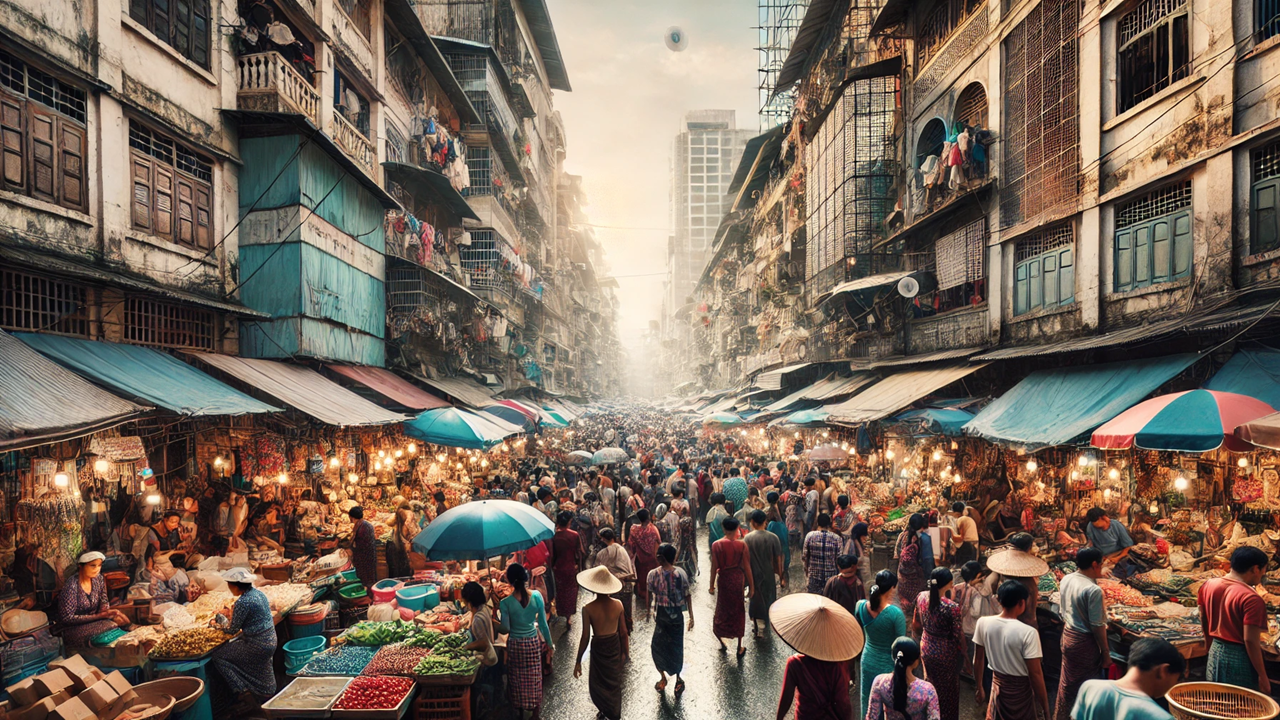
The United Nations has issued a sweeping warning over Myanmar's upcoming election, scheduled to begin next month under the control of the country's military junta. Far from representing a step toward restoring democratic governance, the vote is expected to escalate violence, undermine political rights, and place civilians at heightened risk. UN High Commissioner for Human Rights Volker Türk said the conditions surrounding the planned ballot make it neither free, nor fair, nor legitimate, and instead threaten to intensify the country's ongoing human rights crisis.
A Vote Under Coercion and Violence
The planned election will take place in an atmosphere dominated by armed conflict, military repression, and widespread insecurity. Civilians who choose—or are compelled—to vote will do so under the shadow of violence. The UN warns that there is no meaningful protection for voters, polling officials, or community leaders, given the military's record of targeting dissidents and its use of force in civilian areas.
Human rights monitors have reported soaring levels of conflict across multiple regions as the military attempts to consolidate control. Airstrikes, artillery fire, and ground operations have displaced millions and disrupted communications, transportation, and public services.
"This military-controlled ballot is being held in an environment rife with threats and violence," Türk said. "The lives of civilians will be placed at risk simply for choosing to participate."
Systematic Suppression of Democratic Participation
The junta's electoral system is built on exclusion. Since the February 2021 coup, the military has arbitrarily detained more than 30,000 political opponents, including elected parliamentarians, senior officials of the democratically elected government, civil society leaders, community organisers, and journalists.
Many of Myanmar's most influential political parties—including those that commanded broad democratic support—have been legally barred from participating. Others have dissolved to avoid persecution or because their leaders are in prison, in exile, or in hiding.
Civil society organisations, independent media, and community networks that typically support political engagement have been effectively silenced. Raids, arrests and new licensing laws have forced many organisations underground, further restricting public participation in the electoral process.
Discrimination Embedded in the Electoral Rules
The upcoming vote is marked by deep, institutionalised discrimination. Large communities are being denied the right to vote, including:
-
The Rohingya, still subjected to systemic persecution
-
Tamils, Gurkhas, Chinese and other ethnic minorities
-
Thousands of internally displaced persons (IDPs)
-
Residents of conflict zones where polling will not occur
These exclusions further entrench Myanmar's long history of discriminatory citizenship policies and ethnically targeted repression.
The military is also accelerating its use of mass electronic surveillance. Human rights groups fear that voter-monitoring technologies will be used to identify, track, and punish individuals suspected of opposing the regime.
Large Parts of the Country Will Not Vote at All
The election will not be nationwide in any meaningful sense. The junta lacks territorial control across vast swaths of Myanmar, where ethnic armed organisations and anti-military resistance administrations govern independently.
Key constraints include:
-
56 townships under ongoing martial law, where voting will not occur
-
31 townships in the first round without any candidates
-
Dozens of regions where violence prevents safe or credible election operations
-
Entire districts cut off by conflict, displacement, or collapsed infrastructure
The result is an election map that excludes millions of people, producing a distorted political outcome that does not reflect national will.
An Election That Will Intensify the Crisis, Not Resolve It
Rather than offering a pathway out of turmoil, Türk warns the junta's electoral plan will almost certainly fuel further instability. With no genuine political competition, no protection for civilians, and no oversight by independent observers, the vote is expected to:
-
Reinforce authoritarian control
-
Deepen public distrust and fear
-
Heighten ethnic and political polarization
-
Increase the risk of retaliatory violence
-
Undermine prospects for future democratic transition
"Far from spearheading a political transition toward stability," Türk said, "this process seems nearly certain to further ingrain insecurity, fear and polarization throughout the country."
The UN emphasizes that ending violence, restoring humanitarian access, and initiating inclusive dialogue—not staging a controlled election—are the real priorities for Myanmar.
Forced Returns of Myanmar Nationals Would Be Dangerous and Unlawful
Amid this deteriorating context, the Human Rights Chief also strongly condemned any plan by States to forcibly return Myanmar nationals who fled persecution. With conflict escalating and political repression deepening, forced returns would place refugees directly in harm's way.
Türk specifically called on the United States to reconsider its plan to end Temporary Protected Status (TPS) for Myanmar nationals, saying that withdrawing the program would expose individuals to a high likelihood of arrest, discrimination, or violence.
Given the "very serious human rights violations" underway, Türk insisted that international protection mechanisms must remain in place and be strengthened—not dismantled.
International Community Urged to Respond
The UN is urging governments to:
-
Reject the junta's election as illegitimate
-
Maintain or expand refugee protection mechanisms
-
Increase humanitarian support to displaced communities
-
Press for an immediate cessation of violence
-
Support regional diplomatic efforts under ASEAN and the UN system
With Myanmar's crisis now in its fifth year, human rights observers warn that the stakes are escalating. Without international pressure and sustained humanitarian engagement, the situation could slide even further into long-term instability.
ALSO READ
-
Myanmar Market Airstrikes Kill at Least 50 as UN Urges Malaysia to Halt Deportations
-
Colombia’s Former Enemies Join Search for Disappeared as UN Praises Victim Justice
-
Ethiopia Fighting Hits Schools and Cuts Lifelines as UN Warns Against Return to War
-
Yemen’s Civilians Face Fresh Horror as Fighting Displaces 125,000 and Kills Children
-
Ukraine War: UN Documents 1,004 Sexual Violence Cases and Calls for Justice


 Google News