

Finance Ministry Reforms Bank Recruitment Timeline to Cut Attrition, Boost Transparency
Recognizing the recurring issue, DFS conducted a comprehensive review of recruitment processes and result patterns across institutions.
- Country:
- India
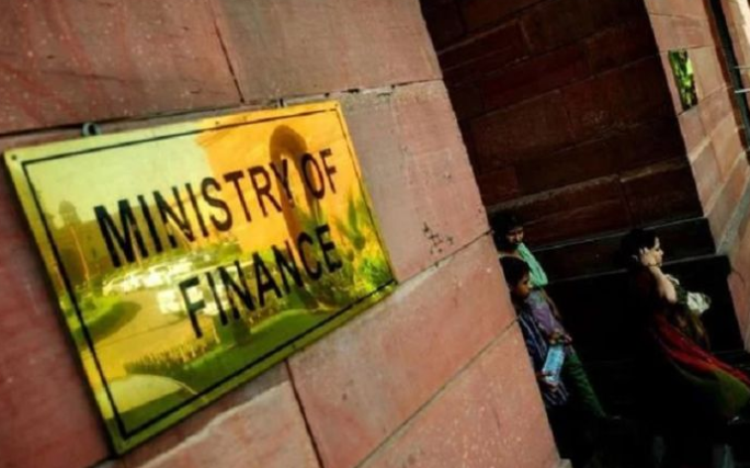
The Department of Financial Services (DFS) under the Ministry of Finance has announced a set of sweeping reforms to streamline recruitment timelines, improve transparency, and strengthen workforce stability across India's banking sector. These reforms apply to examinations conducted for the State Bank of India (SBI), Nationalised Banks (NBs), and Regional Rural Banks (RRBs) — all of which recruit through the Institute of Banking Personnel Selection (IBPS).
The changes mark one of the most structured interventions in banking recruitment in recent years, aimed at addressing long-standing challenges such as candidate migration, high attrition, and delayed decision-making during the hiring cycle.
Addressing Attrition Caused by Candidate Migration Across Banks
Historically, recruitment examinations have followed a sequence where:
-
RRB exams were conducted and results declared first
-
Followed by Nationalised Banks
-
Followed last by SBI
This resulted in a common pattern:
-
Candidates selected in RRBs later moved to NBs,
-
And candidates selected in NBs later transitioned to SBI, creating a cascade of attrition, operational disruptions, and workforce instability for the banks.
Recognizing the recurring issue, DFS conducted a comprehensive review of recruitment processes and result patterns across institutions.
New Standardised Framework: SBI → NBs → RRBs
Based on the DFS directive, the Indian Banks' Association (IBA) will now implement a logical and uniform sequence for the declaration of recruitment results:
Revised Result Declaration Order
-
SBI results first
-
Nationalised Banks next
-
Regional Rural Banks last
Officer-level results
-
Will be declared before clerical-level results for all three categories.
This new framework is expected to:
-
Allow candidates to exercise preferences earlier and more decisively
-
Reduce inter-bank migration and significantly cut attrition
-
Bring predictability and fairness to the recruitment cycle
-
Strengthen workforce planning for banks
-
Improve overall sectoral stability
Focus on Transparency: IBPS to Share Response Sheets from 2026–27 Cycle
In another major step, the IBPS will provide login-based access to:
-
Candidates' response sheets
-
Correct answer keys
beginning with the 2026–27 Common Recruitment Process (CRP) cycle.
This measure aligns IBPS with the best practices followed in major public examinations and will:
-
Enhance transparency in evaluation
-
Build trust in the recruitment process
-
Allow candidates to understand performance more accurately
-
Reduce grievances and increase accountability
A Major Step Toward Modernising Public Sector Recruitment
The DFS-led reforms modernise India's banking recruitment ecosystem by addressing both administrative inefficiencies and candidate expectations. By re-sequencing result announcements and increasing examination transparency, the government aims to create a stable, predictable, and fair recruitment environment for millions of aspirants while strengthening operational continuity across banks.
These reforms reinforce the Ministry of Finance's commitment to efficient governance, talent retention, and transparent public-sector examinations.


 Google News