

Cabinet approves Census of India 2027 at ₹11,718 crore, first fully digital count
The Indian Census is the largest administrative and statistical exercise in the world and forms the backbone of evidence-based policymaking, governance, and development planning.
- Country:
- India
The Union Cabinet, chaired by Prime Minister Shri Narendra Modi, has approved the proposal to conduct the Census of India 2027 at an estimated cost of ₹11,718.24 crore. The upcoming census is expected to be a landmark exercise, marking India's first fully digital population count and introducing several technology-driven innovations to improve data quality, speed, and accessibility.
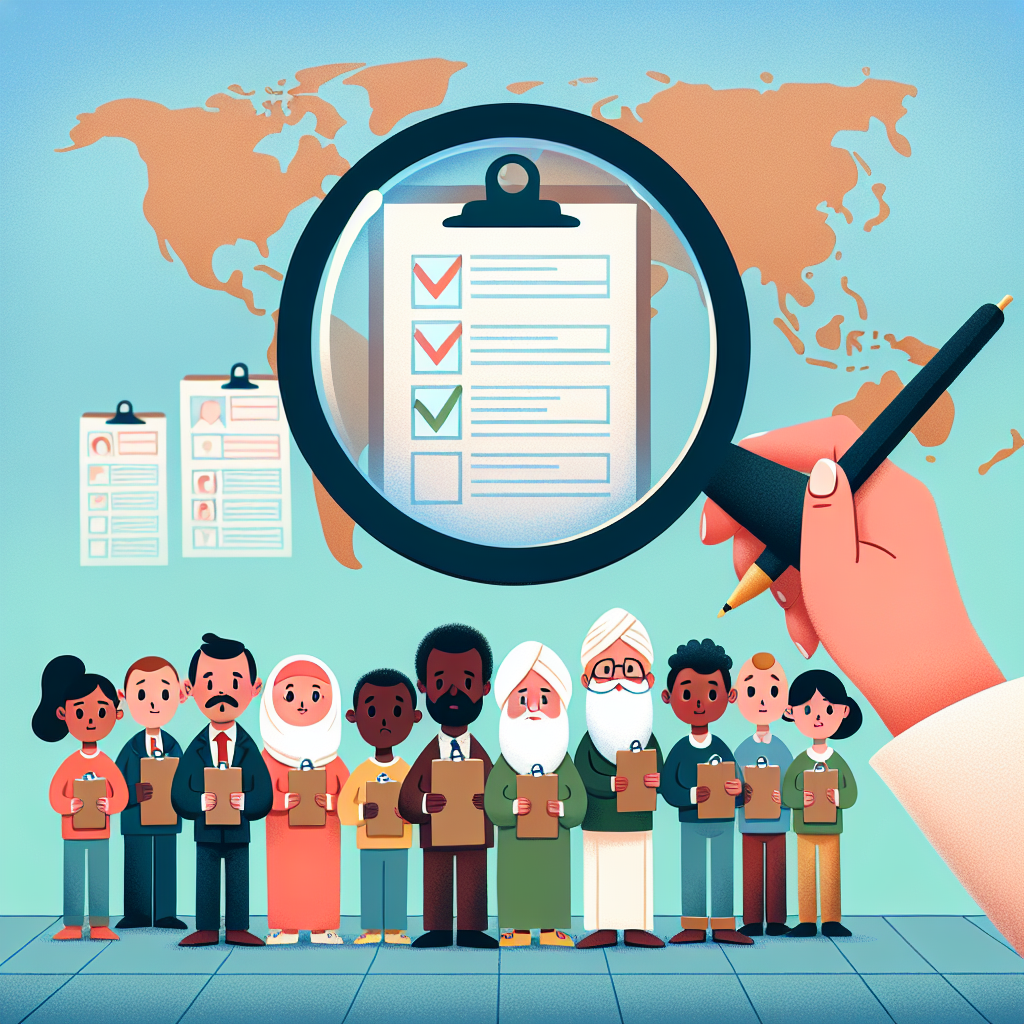
The Indian Census is the largest administrative and statistical exercise in the world and forms the backbone of evidence-based policymaking, governance, and development planning. Census 2027 will be conducted in two phases. The first phase, the Houselisting and Housing Census, will take place from April to September 2026. The second phase, Population Enumeration (PE), will be carried out in February 2027. However, for the Union Territory of Ladakh and snow-bound non-synchronous areas of Jammu & Kashmir, Himachal Pradesh, and Uttarakhand, Population Enumeration will be conducted earlier, in September 2026.
Approximately 30 lakh field functionaries will be deployed across the country to carry out this massive national exercise. These include enumerators, supervisors, master trainers, charge officers, and principal and district census officers. Enumerators, who are generally government school teachers appointed by state governments, will perform census duties in addition to their regular responsibilities. All census personnel will be paid a suitable honorarium for their work.
A major highlight of Census 2027 is the adoption of digital technology at every stage. For the first time, census data will be collected entirely through mobile applications compatible with both Android and iOS platforms. A dedicated Census Management & Monitoring System (CMMS) portal has been developed to enable real-time monitoring and management of census operations nationwide.
Another key innovation is the Houselisting Block (HLB) Creator web map application, which will assist charge officers in accurately defining and managing census blocks. In addition, citizens will be given the option to self-enumerate, enhancing participation, convenience, and data accuracy. Robust security features have been incorporated to safeguard data in this large-scale digital operation.
The government has also announced a focused and wide-ranging publicity campaign for Census 2027. The campaign will aim to ensure nationwide awareness, inclusive participation, last-mile engagement, and effective support for field operations. Emphasis will be placed on sharing accurate, authentic, and timely information to build public trust and cooperation.
A significant policy decision linked to Census 2027 is the inclusion of caste enumeration. The Cabinet Committee on Political Affairs, in its meeting held on 30 April 2025, approved the inclusion of caste data in the upcoming census. Given India's vast social and demographic diversity, caste data will be collected electronically during the second phase, i.e., Population Enumeration, to support informed social and economic policymaking.
Census 2027 will also introduce "Census-as-a-Service" (CaaS), under which census data will be delivered to ministries and departments in a clean, machine-readable, and actionable format. Data dissemination will be significantly improved, with user-friendly platforms and customised visualisation tools enabling access to key indicators at the click of a button. Census results will be shared down to the lowest administrative units, such as villages and wards.
In terms of employment generation, Census 2027 is expected to have a substantial impact. Around 18,600 technical personnel will be engaged for nearly 550 days at local levels, generating approximately 1.02 crore man-days of employment. Additional technical manpower at charge, district, and state levels will further contribute to capacity building, particularly in digital data handling, monitoring, and coordination, enhancing future employment prospects for those involved.
With its scale, digital transformation, and expanded scope, Census of India 2027 is set to play a critical role in shaping the country's development policies and governance framework for the coming decade.


 Google News