

UN Expert Urges US to Lift Sanctions on ICC Judges and Prosecutors
The call follows a new round of US sanctions issued on 18 December 2025, which brought the total number of sanctioned ICC judges and prosecutors to 10.
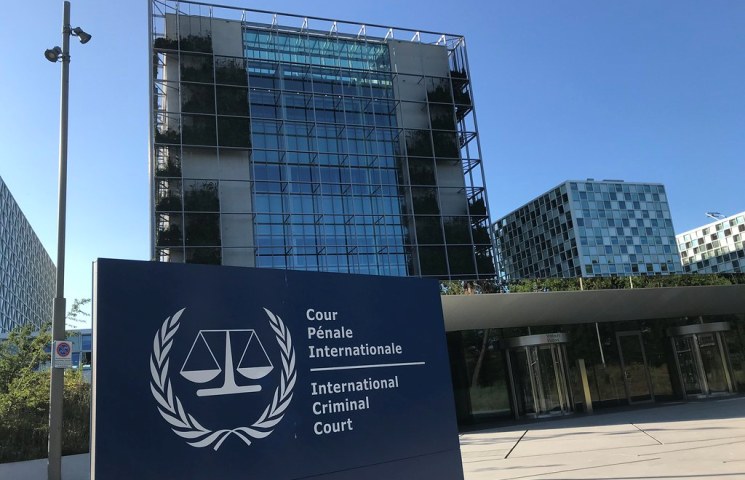
A United Nations human rights expert has called on the United States to immediately withdraw sanctions imposed on judges and prosecutors of the International Criminal Court (ICC) and to repeal Executive Order 14203 of February 2025, warning that the measures pose a grave threat to international justice and the rule of law.
The call follows a new round of US sanctions issued on 18 December 2025, which brought the total number of sanctioned ICC judges and prosecutors to 10.
"Sanctions targeting ICC justice personnel strike at the very heart of the promise born of the Rome Statute and the Nuremberg and Tokyo trials," said Margaret Satterthwaite, UN Special Rapporteur on the independence of judges and lawyers. "They undermine the foundational commitment that no atrocity should go unanswered by international justice."
Chilling effect on justice and victims
Ahead of the opening of the ICC's judicial year, Satterthwaite urged governments to renew political and financial support for the Court, stressing that sanctions weaken accountability mechanisms relied upon by victims of serious international crimes.
"Sanctions send a chilling message to victims of atrocities and their advocates, who depend on independent judges and prosecutors for accountability, repair and reparation," she said.
The expert expressed particular concern that non-governmental organisations have also been sanctioned, warning that victims themselves may now fear legal consequences for engaging with ICC officials. Under the US sanctions regime, individuals and organisations may face civil or criminal penalties — including imprisonment — for transactions involving designated persons in certain circumstances.
Threat to judicial independence
Satterthwaite warned that targeting justice officials for carrying out their professional duties constitutes an unacceptable assault on judicial independence and risks obstructing the administration of justice at the international level.
"Judges, prosecutors and all those engaged in enforcing the rule of law and accountability for international crimes must not be subjected to intimidation, reprisals or punishment," she said. "Coercive measures aimed at them for the legitimate exercise of their functions are a deliberate obstruction of justice and a grave threat to international accountability."
She called on the international community to act decisively to ensure ICC personnel can operate free from intimidation, harassment or interference, warning that failure to do so could erode confidence in global justice institutions.
The Special Rapporteur confirmed she has formally communicated her concerns to the Government of the United States.


 Google News