

UN Warns Venezuela’s Repressive State Machinery Still Intact After Maduro’s Arrest
The UN investigators said sustained international engagement will be critical to ensuring Venezuela undergoes genuine institutional reform and accountability for past abuses.
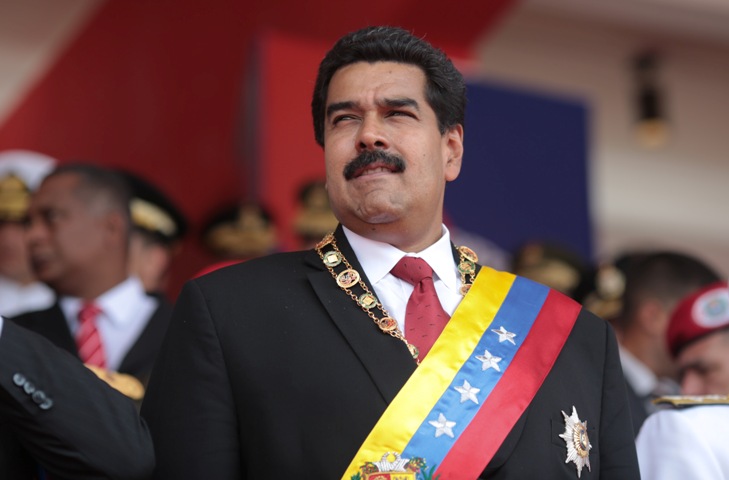
The United Nations has warned that Venezuela's entrenched system of repression remains largely unchanged despite the dramatic apprehension of former President Nicolás Maduro by United States forces on 3 January, according to a new update from the UN Independent International Fact-Finding Mission on Venezuela.
Presenting its latest findings to the UN Human Rights Council in Geneva, the Mission said that while some developments since September 2025 suggest limited progress, the core legal and institutional structures responsible for years of human rights abuses remain firmly in place.
UN Mission Says Repressive Structures Remain Operational
The Fact-Finding Mission reported that the state apparatus responsible for persecution and repression has not been dismantled, and there have been no official policies announced to begin reforming these institutions.
"New instances of human rights violations are a sober reminder that the extensive legal and institutional machinery that has facilitated the commission of gross human rights violations and international crimes remain intact," said Mission expert María Eloisa Quintero.
"Venezuela cannot be said to truly be on the road to human rights reform unless and until that repressive apparatus is dismantled."
Investigators noted that senior government and military officials previously identified as responsible for crimes against humanity continue to hold influential positions within the executive branch and security forces.
"Senior Government and military officials who have previously been identified by the Mission as responsible for crimes against humanity continue to hold power in the executive branch and security forces," said Mission expert Alex Neve.
"There are no signs that the current authorities intend to bring those individuals to justice."
UN Condemns US Military Operation
The Mission also reiterated that the US military operation that led to Maduro's arrest violated international law, despite the existence of credible allegations linking him to crimes against humanity.
Investigators stressed that suspected perpetrators must face accountability through lawful judicial proceedings that respect fair trial guarantees, rather than through unilateral military action.
While acknowledging evidence linking Maduro to serious crimes against civilians, the Mission emphasised that illegal interventions cannot replace legitimate international justice mechanisms.
New Wave of Political Detentions Reported
Human rights investigators reported that politically motivated arrests have continued even after Maduro's removal from power.
Since 3 January, the Mission has documented at least 87 new politically motivated detentions, indicating that repression of dissent remains widespread.
This follows a particularly intense period of repression between September and December 2025, when investigators recorded 135 arbitrary arrests, along with ongoing patterns of torture and ill-treatment in prisons, detention centres and clandestine "secure houses".
The report suggests that security agencies and intelligence services responsible for these abuses remain active.
Concerns Over Amnesty Law and Prisoner Releases
The Mission welcomed the recent release of several political detainees, but raised concerns about the lack of transparency surrounding the process.
"We welcome the recent release of prisoners detained for political reasons but are concerned about the lack of transparency with which this process is being carried out," Quintero said.
Investigators have called on Venezuelan authorities to provide clear information on the number and identity of detainees and those released, and urged the immediate release of all remaining political prisoners.
This includes dozens of foreign and dual nationals still held in detention.
Some of the releases have been facilitated by a new Amnesty Law adopted on 20 February, but the Mission warned that the legislation may fall short of delivering meaningful justice.
According to investigators, the law was passed without broad public consultation and lacks mechanisms to guarantee:
• truth and transparency• accountability for past abuses• reparations for victims
The Mission also warned that limitations in the law's scope could leave many political detainees excluded from its protections.
Armed Civilian Groups and Media Harassment Persist
The report also highlights continued concerns about the mobilisation of colectivos, armed civilian groups that have historically supported the government and have been accused of intimidating opposition figures and suppressing protests.
Investigators said harassment of political opposition members and journalists remains ongoing, raising concerns about the ability of civil society and independent media to operate freely.
Millions of Venezuelans Still Living in Exile
The Fact-Finding Mission emphasised the broader humanitarian and social consequences of the political crisis.
More than 8.7 million Venezuelans are currently living outside the country, including large numbers of refugees who fled political persecution, economic collapse and violence.
Many of those displaced hope that political changes could eventually allow them to return home.
In recent months, hundreds of individuals who were previously detained or placed under precautionary measures have approached the Mission to provide testimony, believing that conditions may now be safer for sharing their experiences.
UN Calls for International Attention and Cooperation
The UN investigators said sustained international engagement will be critical to ensuring Venezuela undergoes genuine institutional reform and accountability for past abuses.
They also urged Venezuelan authorities to cooperate fully with the Fact-Finding Mission and allow investigators unrestricted access to the country.
"The Fact-Finding Mission is an independent, technical and apolitical body," Neve said.
"An important signal would be for Venezuelan authorities to cooperate fully with the Mission and allow it to have unhindered access to the country."
The Mission said its ongoing work aims to identify patterns of violations, responsible institutions and alleged perpetrators—information that could serve as a roadmap for reforms needed to rebuild Venezuela's justice and governance systems.
ALSO READ
-
UNESCO Brings Data to New UN Platform Connecting People With Trusted Information
-
UN Expert Urges Malaysia to Halt Myanmar Returns as Refugees Face War and Violence
-
Longer Lives, Unequal Care: UN Report Exposes Gaps in Support for Older People Globally
-
Century After Slavery Convention, Millions Still Wait for Freedom and Justice
-
Netherlands Pledges Over €309 Million to Strengthen Justice and Prevent Conflict


 Google News