

Mashatile to Engage Business Leaders on Funding HIV and TB Response
The National Strategic Plan serves as the country's primary framework for addressing three of South Africa's most significant public health challenges.
- Country:
- South Africa
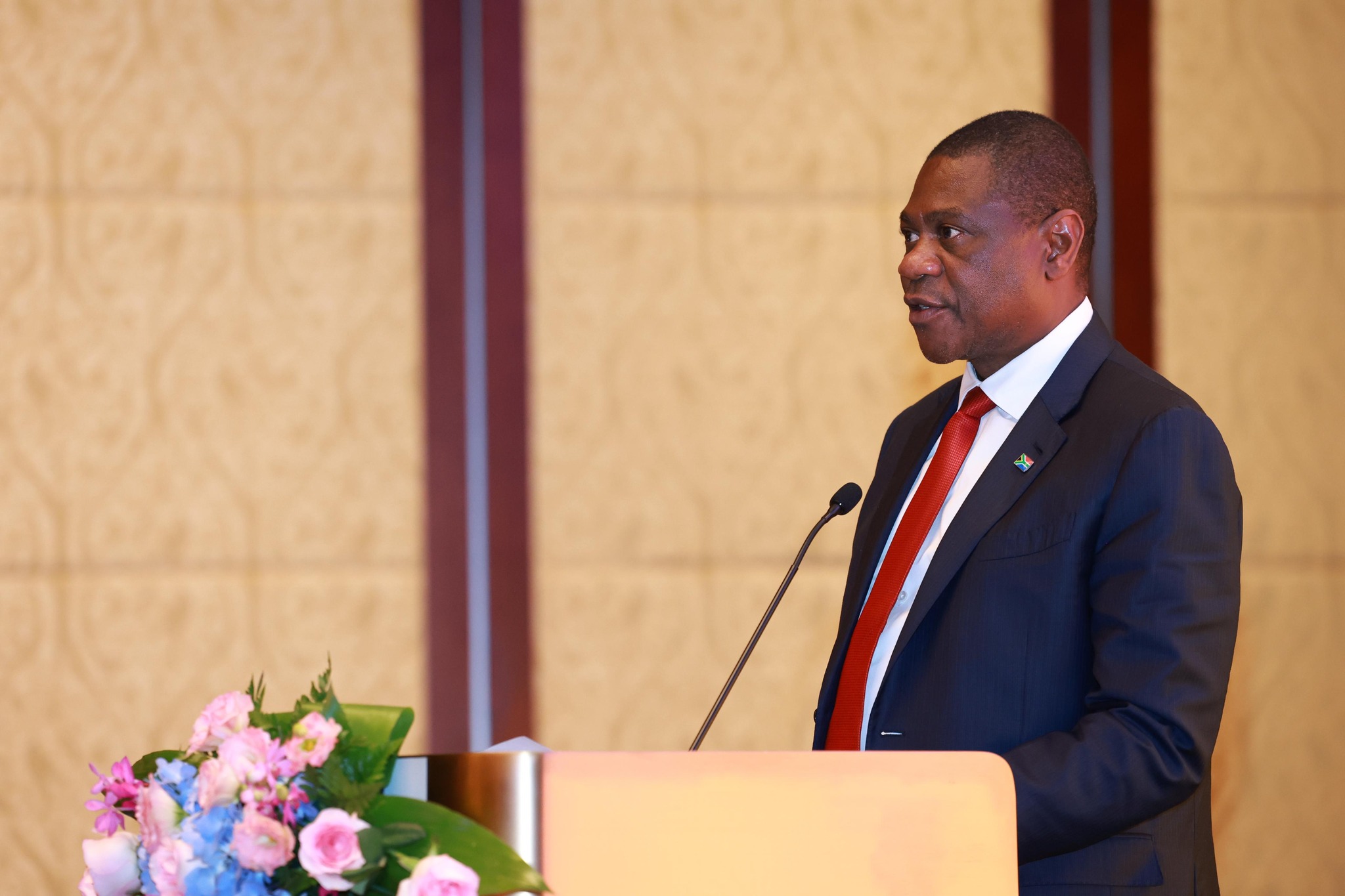
Deputy President Paul Mashatile will meet leading private sector executives in Johannesburg on Thursday as government intensifies efforts to secure sustainable funding for South Africa's fight against HIV, tuberculosis (TB) and sexually transmitted infections (STIs).
The high-level engagement forms part of government's broader strategy to strengthen partnerships between the public and private sectors in response to growing concerns about funding pressures facing critical health programmes.
Mashatile, who serves as Chairperson of the South African National AIDS Council (SANAC), is expected to lead discussions with business leaders under the banner of the SANAC Private Sector Forum (PSF).
The meeting will focus on identifying innovative solutions to help sustain South Africa's HIV and TB programmes while ensuring continued progress in prevention, treatment and care services.
Focus on National Strategic Plan Implementation
According to a joint statement issued by The Presidency and SANAC, the engagement aims to explore how the private sector can play a more active role in supporting the implementation of South Africa's National Strategic Plan (NSP) for HIV, TB and STIs.
The National Strategic Plan serves as the country's primary framework for addressing three of South Africa's most significant public health challenges.
It outlines priorities, targets and interventions designed to reduce new infections, improve treatment outcomes, strengthen prevention programmes and ultimately end the epidemics as public health threats.
However, achieving these goals requires significant and sustained financial resources, making partnerships with business and other stakeholders increasingly important.
Government believes the private sector has an important role to play in helping ensure the long-term sustainability of these interventions.
Addressing Funding Shortfalls
A key focus of Thursday's meeting will be finding ways to close funding gaps that have emerged due to changing international donor support.
The Presidency and SANAC said discussions will centre on opportunities to develop sustainable public-private financing models that can supplement existing funding streams and reduce reliance on external donors.
Many countries around the world, including South Africa, have experienced shifts in global development funding priorities in recent years, creating additional pressure on domestic health programmes.
Government is therefore seeking innovative financing approaches that can help maintain essential HIV and TB services while ensuring long-term programme stability.
The meeting is expected to explore how business leaders, financial institutions and private sector organisations can contribute resources, expertise and strategic support to strengthen the country's response.
South Africa Continues to Face a Heavy HIV and TB Burden
The engagement comes at a critical time for South Africa's public health sector.
Despite significant achievements in expanding access to treatment and improving prevention programmes over the past two decades, South Africa continues to carry one of the world's largest HIV and TB burdens.
Millions of South Africans remain affected by HIV and tuberculosis, while thousands of new infections continue to be recorded each year.
Although antiretroviral treatment programmes have helped millions of people live longer and healthier lives, the country continues to face major challenges in reducing infection rates and achieving long-term epidemic control.
Tuberculosis also remains one of the leading causes of illness and death in South Africa, particularly among vulnerable populations and individuals living with HIV.
These realities underscore the importance of maintaining strong investment in prevention, treatment and support programmes.
Progress Made but Challenges Remain
Government acknowledged that important progress has been achieved through the implementation of the National Strategic Plan and other public health interventions. South Africa has expanded access to life-saving antiretroviral treatment, strengthened HIV testing programmes and improved the integration of HIV and TB services.
Prevention campaigns have also contributed to increased awareness and improved access to healthcare services.
However, significant challenges continue to hinder progress.
Among the concerns highlighted by government are:
-
Funding constraints affecting programme expansion and sustainability.
-
Slower-than-desired progress in prevention efforts.
-
Persistently high rates of HIV and TB infections.
-
Ongoing inequalities in access to healthcare services.
-
The need for stronger community-based interventions.
These challenges have reinforced the need for broader collaboration across sectors to ensure that gains made over the years are not reversed.
Economic Impact Extends Beyond Public Health
Government emphasised that HIV and TB are not only public health issues but also major economic concerns.
According to the joint statement, the effects of the two diseases place significant pressure on South Africa's economy through a variety of channels.
High infection rates can reduce workforce productivity, increase healthcare expenditure and place additional strain on businesses and public services.
Labour-intensive industries are particularly vulnerable to the impact of illness and absenteeism, which can affect economic performance and competitiveness.
The long-term social and economic consequences of HIV and TB also place additional pressure on families, communities and social support systems.
Government believes that addressing these challenges requires a coordinated national effort that includes meaningful participation from the private sector.
Launch of Provincial SANAC Private Sector Forums
Thursday's engagement will also mark an important milestone in the development of SANAC's partnership structures.
The meeting will formally launch the fully constituted SANAC Private Sector Forum across all nine provinces.
The forum is designed to strengthen collaboration between government, business and civil society in support of South Africa's health and development priorities.
By establishing provincial structures, SANAC hopes to create stronger coordination mechanisms that can mobilise resources, share expertise and improve the effectiveness of HIV and TB interventions at local level.
The forum is expected to play a key role in facilitating ongoing engagement between government and the private sector on health-related challenges.
Preparing for Future Funding Opportunities
Organisers said the gathering comes at an important time as South Africa prepares for several national and international funding processes.
One of the objectives of the meeting is to align expectations and commitments ahead of current and future replenishment cycles of the Global Fund.
The Global Fund remains one of the world's largest financiers of HIV, TB and malaria programmes and continues to play an important role in supporting health interventions in South Africa and other countries.
By strengthening partnerships and clarifying priorities, government hopes to position South Africa to maximise available funding opportunities while also expanding domestic resource mobilisation efforts.
Public-Private Partnerships Seen as Essential
Government increasingly views public-private partnerships as a critical component of South Africa's long-term response to HIV, TB and STIs.
Business organisations possess financial resources, innovation capabilities, management expertise and extensive networks that can complement government-led initiatives.
At the same time, stronger collaboration can help ensure that health interventions remain sustainable and responsive to changing circumstances.
The upcoming engagement between Mashatile and business leaders reflects a growing recognition that achieving the goals of the National Strategic Plan will require contributions from all sectors of society.


 Google News