

Afghanistan: UN Experts Raise Alarm Over Taliban Marriage Decree
According to the experts, parts of the decree appear to legitimise child marriage despite earlier commitments that recognised the need for consent from an adult woman before marriage.
- Country:
- Afghanistan
United Nations human rights experts have expressed serious concerns about a new Taliban decree governing the separation of spouses in Afghanistan, warning that it could reinforce child marriage and make it far more difficult for women and girls to escape abusive relationships.
The decree, issued by Afghanistan's de facto Ministry of Justice in April 2026, sets out conditions under which a woman may seek separation from her husband. While the rules appear to establish a national framework for handling marital disputes, UN experts argue that several provisions place women and girls at greater risk of exploitation, violence, and discrimination. They said the decree may also affect members of the Shia community and other religious minorities.
Decree seen as weakening protections against child marriage
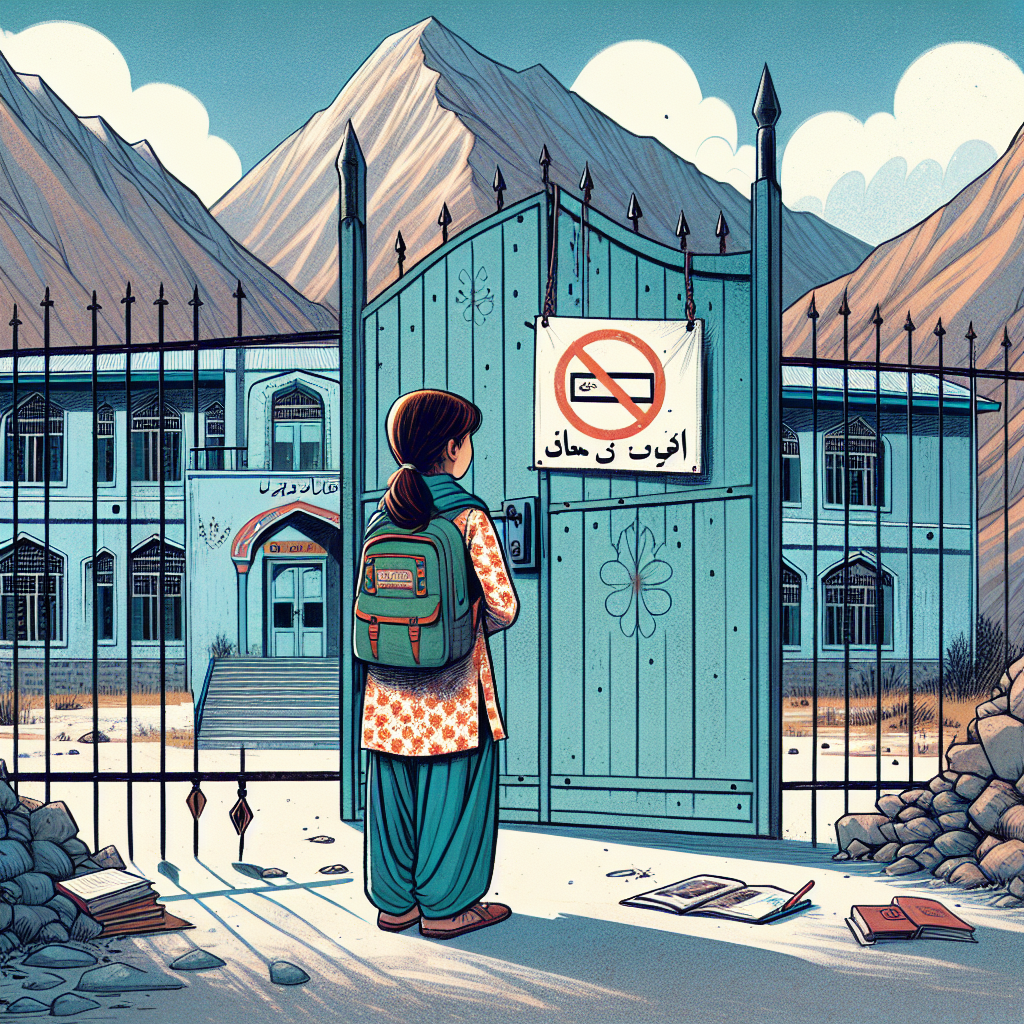
According to the experts, parts of the decree appear to legitimise child marriage despite earlier commitments that recognised the need for consent from an adult woman before marriage. Several provisions allow a child who has been married to seek separation after reaching puberty. The experts said this approach fails to prevent child marriage from occurring and leaves girls exposed to years of physical, psychological, sexual, and economic harm before they can seek relief.
They warned that the decree could strengthen the power of guardians in arranging marriages and further limit the ability of young girls to report abuse or challenge harmful family decisions. The decree also outlines reasons a woman may request separation, including incompatibility, disappearance, obstinacy, and religious grounds. The experts noted that these terms are not clearly defined, creating uncertainty around how the rules may be applied.
Barriers could leave abuse victims trapped
The experts said women facing domestic violence may find it nearly impossible to use the legal protections described in the decree. Afghanistan's restrictions on women's movement, education, employment, and participation in public life create significant obstacles for those seeking help through legal channels. Women often face challenges appearing before courts, gathering witnesses, or accessing support services. The requirement for arbitration and witness testimony may place victims at greater risk of retaliation from abusive spouses or family members.
The experts also pointed to another Taliban decree that permits physical violence by husbands against wives and children in certain family contexts, arguing that this further undermines protections for women and girls. They stressed that Afghanistan remains bound by international agreements, including the Convention on the Elimination of All Forms of Discrimination Against Women, the Convention on the Rights of the Child, and the Convention against Torture.
The UN experts called on Afghanistan's de facto authorities to reverse discriminatory provisions and uphold their obligations under international human rights law. They said women and children must be protected from violence and guaranteed their rights to dignity, equality, and safety.
ALSO READ
-
Myanmar Market Airstrikes Kill at Least 50 as UN Urges Malaysia to Halt Deportations
-
UN Lists 214 Companies Linked to Israeli Settlements, Urges Action on Human Rights
-
Ethiopia Fighting Hits Schools and Cuts Lifelines as UN Warns Against Return to War
-
Colombia’s Tougher Drug Crackdown Could Deepen Racism Against Afro-Colombians
-
Yemen’s Civilians Face Fresh Horror as Fighting Displaces 125,000 and Kills Children


 Google News