

India’s Logistics Data Bank Tracks 10 Crore EXIM Containers
LDB receives an average of more than 1.5 crore container searches each month, with its single-window tracking service giving users one platform to follow containers across the logistics network.
- Country:
- India
India's Logistics Data Bank (LDB) has crossed a major milestone by tracking 10 crore export-import containers since its launch in 2016, reflecting the growing role of digital technology in managing the movement of goods across ports, railways, highways and industrial centres.
The platform gives businesses and other logistics stakeholders visibility into EXIM container movements, helping them follow shipments and understand where delays or bottlenecks may be developing. Union Commerce and Industry Minister Piyush Goyal said reaching 10 crore tracked containers was an important moment in India's logistics journey, with faster and more efficient logistics playing a wider role in manufacturing and global trade competitiveness.
Tracking network stretches across India
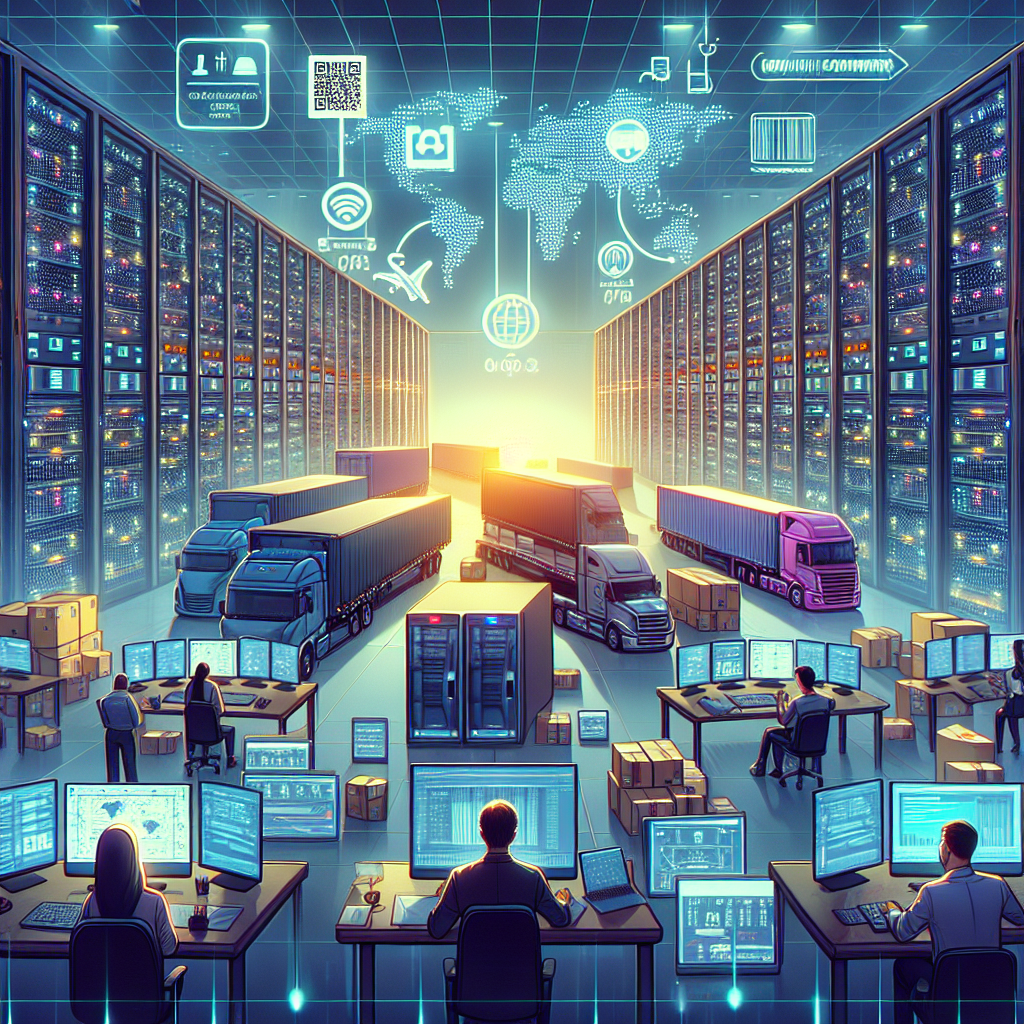
LDB provides visibility covering 100% of India's EXIM container movement through Radio Frequency Identification (RFID)-based technology, connecting a large network of locations involved in moving goods into and out of the country.
Its coverage includes 19 ports and 32 container terminals, along with 103 Inland Container Depots and 439 Container Freight Stations, empty yards, parking plazas and industrial zones. The network also reaches 89 manufacturing Special Economic Zones, 5,569 railway stations, 269 toll plazas and three Integrated Check Posts.
Rather than simply showing where a container is located, the platform produces information on dwell time, transit time and the performance of ports and terminals. Such data can help logistics operators and other stakeholders identify where cargo is spending more time than expected and make operational decisions based on shipment movements.
LDB receives an average of more than 1.5 crore container searches each month, with its single-window tracking service giving users one platform to follow containers across the logistics network.
LDB 2.0 takes tracking beyond Indian shores
The system received a significant upgrade in September 2025 when Goyal launched LDB 2.0, expanding tracking capabilities to include Indian export containers travelling on the high seas and giving stakeholders broader multimodal shipment visibility.
LDB combines RFID with Internet of Things, Big Data and Cloud technologies to create near real-time information about container movements across ports, rail networks, borders, highways and industrial areas.
High-seas tracking adds another layer of visibility for exporters who need information about cargo after it leaves an Indian port, while multimodal tracking helps connect different stages of a shipment that may involve road, rail and maritime transport.
The World Bank's Logistics Performance Index has also recognised LDB's role in India's logistics performance, placing the platform within the country's broader push to use digital infrastructure to improve the movement of goods.
Technology becomes central to logistics efficiency
NICDC Logistics Data Services Limited (NLDSL) Chief Executive Officer and Managing Director Rajat Kumar Saini said the platform had grown from an initiative focused on providing visibility into EXIM containers into an important digital system serving India's logistics sector.
He credited cooperation among government ministries, ports, terminals, Container Freight Stations, Inland Container Depots and other stakeholders for helping LDB reach the 10-crore milestone, while pointing to analytics and emerging technologies as areas for further development.
NLDSL also works on the Unified Logistics Interface Platform (ULIP), another digital initiative designed to improve efficiency, transparency and digitisation across logistics operations.
Established in December 2015, NLDSL is a joint venture between the Government of India, represented by the National Industrial Corridor Development and Implementation Trust, and Japanese technology company NEC Corporation. Its work reflects a broader shift towards using connected data and technology to make India's logistics network easier to monitor as the country expands manufacturing and international trade.


 Google News