

New Study Suggests Peak Exercise Time Varies Between Men And Women
A new study suggests that peak exercise time varies between men and women. Researchers believe that the time of day can impact performance levels. Scientists discovered that the best time to work out differs in men and women.

When to work out
A new study published in Frontiers in Physiology suggests that men and women have different optimum exercise times. Researchers from Arizona State University, California State University, and Skidmore College in New York found that women respond better to morning workouts while men react more positively to exercise later in the day.
Data collected from a small group of 'highly active' individuals aged between 25 and 55 suggests that women burn more fat and enjoy positive changes in blood pressure readings when they work out in the morning. In contrast, men burn more calories at night. Being highly active is defined as doing more than 30 minutes of structured exercise at least four times per week for three years.
During the study, researchers followed a group of 30 men and 26 women who trained at different times of the day following a workout program. Sessions included endurance training, interval sprints, stretching, and resistance training. Participants completed four sessions per week, undertaking one type of training on each active day. One group trained for an hour in the morning before 8.30 am and the other group worked out for an hour in the evening between 6 pm and 8 pm. The two groups followed the same exercise program.
The research team found that women lost more abdominal fat and reduced blood pressure when training in the morning and improved muscular strength and endurance when training at night. Men enjoyed greater fat oxidation and reduced blood pressure and fatigue when working out at night.
What do the results mean?
The difference in exercise effects between men and women is partly due to hormones and different sleep patterns. Women spend more time in the deep sleep phase and less in the light sleep phase than men, which means that they are likely to be more alert in the morning.
The findings of the study can help individuals who have specific training or health goals to tailor their regimen to suit their objectives. If a woman wants to build muscle mass in the legs, reduce fat, or lower blood pressure, for example, the study indicates that it's better to exercise in the morning.
This study adds weight to the notion that hormones can impact training results. Research suggests that hormone levels during different stages of the menstrual cycle can affect how the body responds to exercise. Tracking the cycle can help to plan effective training programs. It's best to go hard with activities like HIIT, weight lifting, boxing, plyometrics, and long runs during the first phase of the cycle, the follicular phase. During the luteal phase, the final stage of the cycle, hormone load is high, and this means that it's beneficial to opt for less intense exercises, including hiking, moderate cardio, light weights, yoga, and Pilates.
Drawing up an effective exercise regimen
The authors of the study are eager to point out that an active lifestyle is beneficial no matter what time you work out. Exercising at any time of the day is better than doing no exercise. Many people cannot work out at their preferred time due to work commitments, for example. A man who trains in the morning won't lose out because they're not able to exercise at night that day.
The time that you exercise is one of several factors that can influence training performance. Nutrition is one of the most important elements to consider because your diet provides fuel for the body. A balanced diet that is rich in vitamins and minerals and hits the recommended daily intake of protein, fiber, healthy fats, and carbohydrates will help you to train harder, recover faster and maintain high energy levels. Active individuals looking to increase muscle mass may also want to increase protein intake by eating more lean meat, eggs, fish, nuts, seeds, and vegetables or adding a protein snack to their daily menu. Hydration also plays an integral role, as the body loses fluid through sweat during exercise. Drink plenty of water to make sure that you replace lost fluid.
Training frequently can help you to build fitness, but there is a risk of injuries and burnout. Overtraining can be dangerous and it can set you back in terms of fitness goals. Take time to rest and recover between training sessions and don't try to push yourself if you have an injury, or you feel exhausted.
Working with a personal trainer can help people to achieve goals and stay motivated. A personal trainer has expertise in drawing up targeted programs and exercise sessions that help individuals to accomplish goals and work towards objectives. From building muscle and improving endurance to losing weight, improving mental health, and creating more definition, trainers can modify and adjust workouts to suit the individual. They offer expert advice and they're also there to cheer clients on and help them to build confidence.
Planning exercise going forward
The findings of the study published in Frontiers in Physiology may influence people who are working towards specific health or exercise goals and those keen to make the most of every training session. Exercise is beneficial at any time of the day and being active has incredible advantages for physical and mental health, but this study provides interesting information about the impact of training at different times. If people have the option to choose when they exercise, this research could help them to plan exercise more effectively and achieve personal objectives.
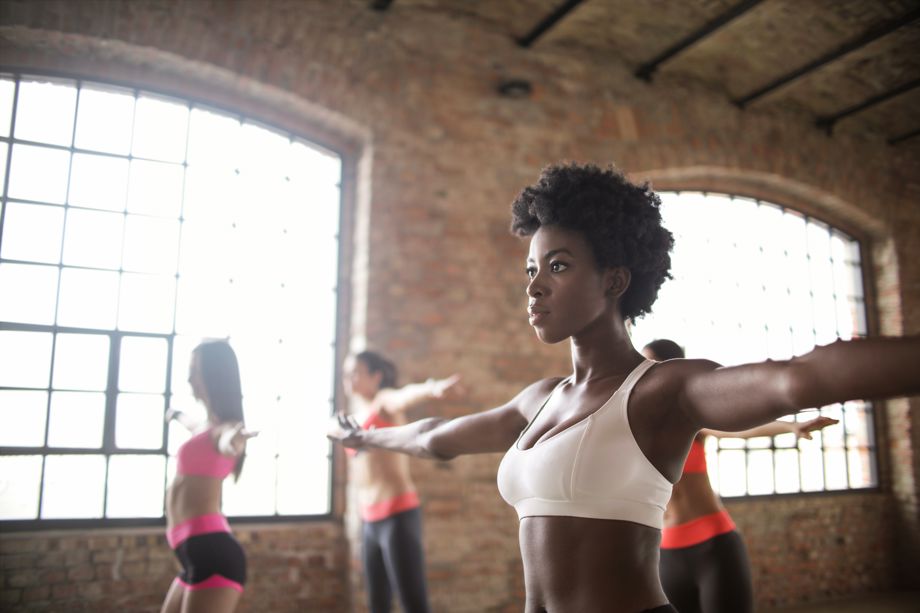
Image Credit: Andrea Piacquadio on Pexels
Physical activity offers an array of health benefits, but choosing a specific time to work out could deliver even better results. As research shows that women burn more fat and reduce blood pressure when exercising in the morning and men achieve more at night, the findings could help active individuals to plan their training programs more effectively in the future.
(Devdiscourse's journalists were not involved in the production of this article. The facts and opinions appearing in the article do not reflect the views of Devdiscourse and Devdiscourse does not claim any responsibility for the same.)


 Google News