

Building Resilient and Customer-Focused Utilities for Global Water Sustainability Goals
The World Bank’s "Utility of the Future" program offers a transformative framework to enhance water and sanitation utilities' efficiency, sustainability, and inclusivity. By integrating technical innovation and behavioral change, it addresses global challenges while fostering resilient, customer-centered services.
 Devdiscourse News Desk
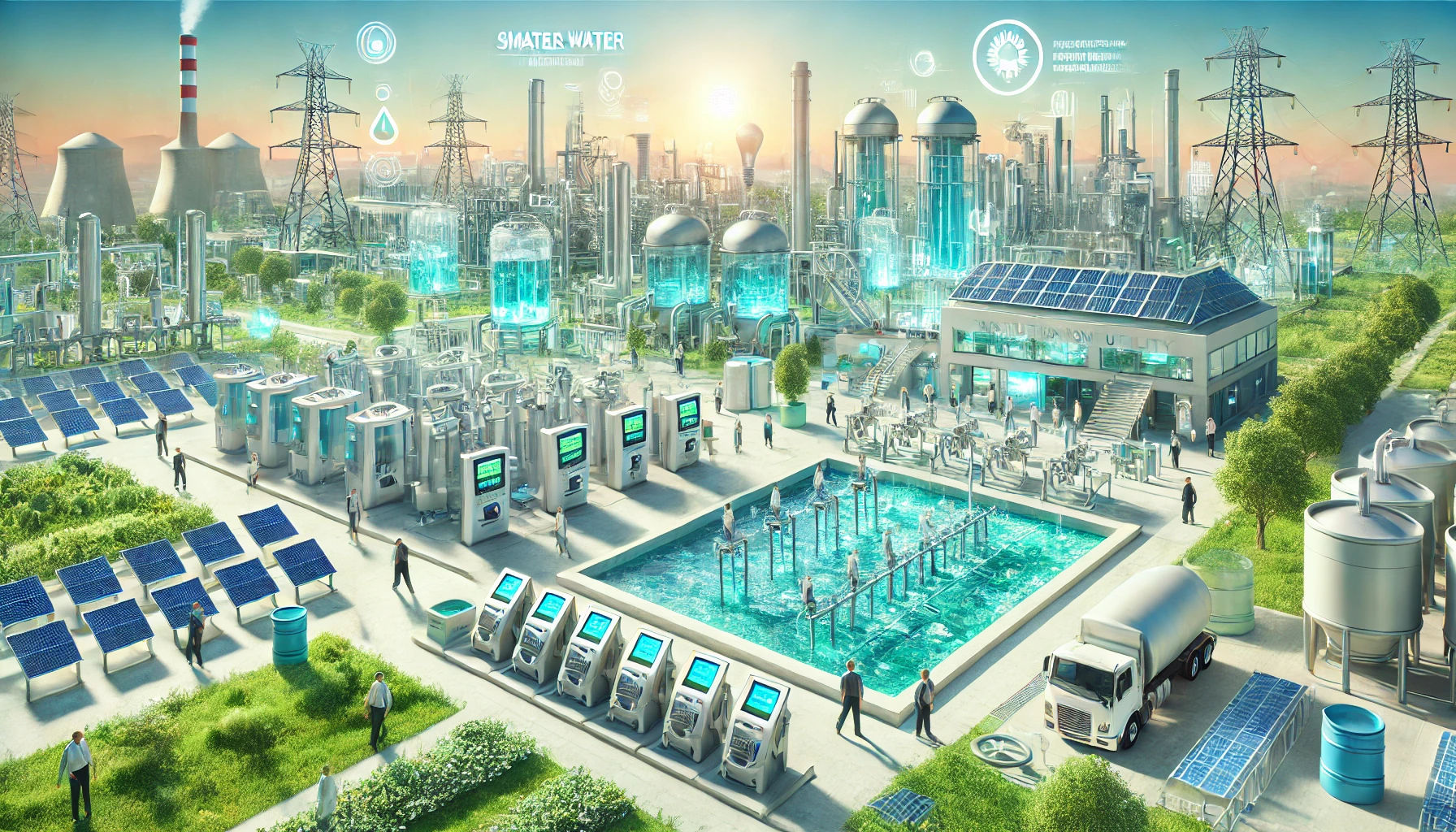
The World Bank's Water Global Practice, alongside the Utility of the Future Center of Excellence and the Global Water Security and Sanitation Partnership (GWSP), has introduced an ambitious framework to tackle global water and sanitation challenges. Despite progress in achieving Sustainable Development Goal 6 (SDG 6), which aims to ensure clean water and sanitation for all, over 2.4 billion people remain without improved sanitation, and 0.7 billion lack reliable drinking water. These institutions aim to transform utilities into dynamic, sustainable, and inclusive entities capable of addressing current and future demands. The "Utility of the Future" (UoF) methodology provides a structured and scalable approach, combining technical innovations and behavioral transformation to help utilities improve their services sustainably.
Laying the Foundations for Change
The UoF methodology is divided into two main phases: UoF Standard and UoF Advanced. The Standard phase initiates the transformation process with a 360-degree analysis, evaluating utilities' service delivery, operational performance, and maturity levels. This analysis identifies critical gaps and improvement opportunities, paving the way for a 100-day action plan. Designed for quick wins, the action plan includes short-term initiatives that engage staff, generate momentum, and lay the groundwork for broader reforms. The Vision phase follows, where utilities refine or establish their long-term goals, aligning their mission and vision with strategic objectives. This foundational stage creates a roadmap for utilities to follow as they progress toward their transformation goals.
Deep Change for Sustainable Progress
Building on the foundational work of the UoF Standard, the Advanced phase focuses on long-term planning and systemic transformation. Utilities develop a comprehensive business and investment plan, incorporating key priorities like digital transformation, gender balance, energy efficiency, and environmental sustainability. The culmination of this phase is the one-year Deep Change Program, which addresses systemic barriers, optimizes processes and strengthens internal capabilities. Tailored to the specific needs of each utility, this program ensures that changes are deeply embedded within the organization, leading to lasting improvements. The program also integrates the SPEED dimension Shake up, Pursue, Envision, Energize, and Dynamize which emphasizes behavioral change, leadership development, and staff engagement to complement technical reforms.
Innovative Tools for Operational Excellence
The UoF framework leverages cutting-edge tools and global best practices to enable utilities to meet their goals. Digital transformation is a key focus, with solutions like smart metering, predictive maintenance, and cybersecurity improving operational efficiency and customer service. Gender equality initiatives, supported by platforms like Equal Aqua, promote diversity and inclusivity within utility workforces. The framework also prioritizes energy efficiency and environmental management, aligning utilities with broader sustainability objectives. Data-driven decision-making underpins these efforts, with tools like the International Benchmarking Network for Water and Sanitation Services (IBNet) enabling utilities to measure performance, identify gaps, and maintain accountability. By combining these elements, the UoF program ensures that utilities are not only more efficient but also more inclusive and resilient.
Global Impact and Future Potential
Since its introduction, the UoF program has been implemented in over 100 utilities across 35 countries, demonstrating its scalability and adaptability. It has proven effective in diverse operational contexts, from small municipal systems to large metropolitan networks. Utilities participating in the program have reported tangible improvements, from increased water-use efficiency to enhanced financial sustainability. The program's emphasis on inclusivity ensures that underserved populations benefit from better access to water and sanitation services, addressing long-standing disparities. By fostering a culture of continuous improvement and innovation, the UoF framework enables utilities to adapt to evolving challenges, from climate change impacts to rapid urbanization.
A Pathway to a Sustainable Future
The Utility of the Future program is more than a framework; it is a transformative journey for utilities seeking to enhance their services and contribute to global development goals. Its holistic approach combines technical innovation with human-centered strategies, ensuring that changes are not only implemented but sustained. By aligning utilities' operations with their communities' needs and broader sustainability goals, the UoF program empowers them to meet today's challenges while preparing for tomorrow's opportunities. As utilities worldwide adopt this model, they contribute to the collective mission of achieving sustainable water and sanitation for all, enhancing health, environmental sustainability, and quality of life for millions. This pioneering initiative exemplifies how collaboration, innovation, and adaptability can drive meaningful progress in global water and sanitation services.
- FIRST PUBLISHED IN:
- Devdiscourse


 Google News