

UNICEF Warns of Looming Health Crisis for Afghan Children After Deadly Quakes
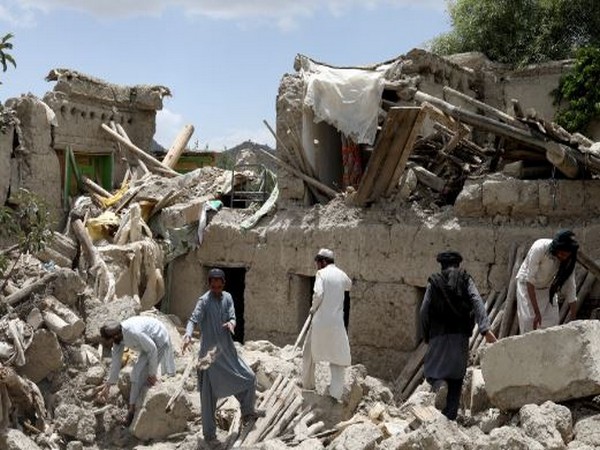
The series of quakes, which began in early October 2025, flattened entire villages, killed thousands, and displaced tens of thousands more.
- Country:
- Afghanistan
One month after a devastating 6.3-magnitude earthquake and multiple powerful aftershocks struck Herat Province in eastern Afghanistan, the humanitarian crisis continues to deepen. While initial rescue operations have ended, a silent but deadly emergency is unfolding: over 212,000 children who survived the disaster are now at grave risk of disease outbreaks due to the widespread destruction of water, sanitation, and hygiene (WASH) infrastructure, UNICEF warned in its latest update.
The series of quakes, which began in early October 2025, flattened entire villages, killed thousands, and displaced tens of thousands more. Survivors — many of them children — are now struggling to survive amid collapsing health systems, unsafe water sources, and the looming threat of deadly waterborne diseases.
Widespread Destruction and Sanitation Collapse
The earthquakes destroyed 132 water sources, leaving vast swathes of the affected region without access to clean water or handwashing facilities. Four out of five communities are now resorting to open defecation due to the destruction of household and communal latrines. The lack of sanitation facilities has created an ideal breeding ground for infectious diseases.
Families are left with few options to maintain hygiene, as essential items such as soap and disinfectants are in critically short supply. Health centers across Herat and neighboring provinces have reported a sharp rise in cases of acute watery diarrhea, dehydration, and skin rashes—all clear indicators of deteriorating sanitary conditions.
UNICEF Representative in Afghanistan, Dr. Tajudeen Oyewale, issued a stark warning:
"The earthquake has flattened homes and taken too many lives, and now threatens to take even more through disease. Children who survived the quake are now living either in crowded displacement camps or in makeshift shelters near their destroyed mountain villages with no toilets, no safe water to drink, and no means to stay clean. This is a perfect storm for a health catastrophe."
Women and Girls Face Heightened Protection Risks
The loss of private sanitation facilities has not only fueled the risk of disease but also exposed women and girls to greater risks of gender-based violence and exploitation. Without safe and private toilets, many are forced to relieve themselves in open or unsafe areas, often at night — a situation that increases vulnerability to harassment and assault.
Humanitarian agencies have reported growing protection concerns, especially among displaced families in temporary camps and remote villages where emergency aid is still struggling to reach. The compounded crises of poverty, displacement, and insecurity are further worsening the plight of women and children, who make up the majority of those affected.
UNICEF's Emergency Response on the Ground
In coordination with local authorities and partner organizations, UNICEF has scaled up its emergency operations in the earthquake-affected areas. Its WASH teams are working around the clock to deliver lifesaving interventions, including:
-
Emergency water trucking to provide clean drinking water to the worst-hit communities;
-
Installation and repair of water supply systems to ensure long-term access to safe water;
-
Construction of temporary sanitation facilities to reduce open defecation and restore dignity to displaced families;
-
Distribution of hygiene kits, including soap, buckets, and menstrual hygiene items;
-
Community awareness campaigns on hygiene and disease prevention to curb the spread of infections.
These efforts are already reaching thousands of families in Herat, Zindajan, and Injil districts — the hardest hit by the earthquake sequence — but needs remain enormous. Access to remote mountain communities is still limited due to damaged roads and ongoing aftershocks.
A Race Against Time: Funding Shortfalls Threaten Relief
Despite rapid deployment of resources, UNICEF's emergency appeal of USD 21.6 million for the WASH response in Afghanistan remains only 50% funded. This shortfall severely hampers efforts to scale up operations before winter sets in.
"The time to act is now," UNICEF stressed in its appeal to international donors. "Without immediate funding, children in the quake-affected areas face a double disaster — the loss of their homes and the loss of their health."
Aid agencies warn that the combination of unsanitary conditions, limited medical capacity, and cold weather could trigger a full-blown health emergency, particularly in temporary settlements where families live under makeshift tents without heating, clean water, or adequate sanitation.
The Broader Humanitarian Context
The Herat earthquakes have compounded Afghanistan's existing humanitarian crisis — one of the world's most severe. Even before the disaster, over 28 million Afghans were in need of humanitarian assistance due to years of conflict, economic collapse, and climate shocks such as droughts and floods.
Children, who constitute more than half of the population, are disproportionately affected. Malnutrition rates remain among the highest globally, and health systems are overstretched and underfunded. The latest disaster threatens to push already fragile communities past the breaking point.
UNICEF and its partners continue to advocate for sustained international engagement, emphasizing that humanitarian aid must remain non-political and focused on saving lives. The agency's current emergency operations in Afghanistan cover not only WASH but also child protection, nutrition, education, and health services.
A Call for Solidarity and Action
The situation in Afghanistan is a sobering reminder of how natural disasters can magnify existing inequalities and humanitarian crises. For children in Herat and beyond, the next few weeks are critical. Without immediate and adequate support, preventable diseases could claim more lives than the earthquake itself.
Dr. Oyewale's message is clear:
"We have no time to waste. These children have already endured unimaginable loss. Clean water, sanitation, and hygiene are not luxuries — they are lifesaving necessities."
The call to the international community is urgent: step up funding, deliver resources, and prevent a health catastrophe before it is too late.


 Google News