

ILO Launches “This is Social Justice” Campaign Ahead of Global Summit in Doha
“Social justice is at the heart of the ILO’s mandate and the foundation of peace, stability, and human progress,” said Gilbert F. Houngbo, Director-General of the International Labour Organization.
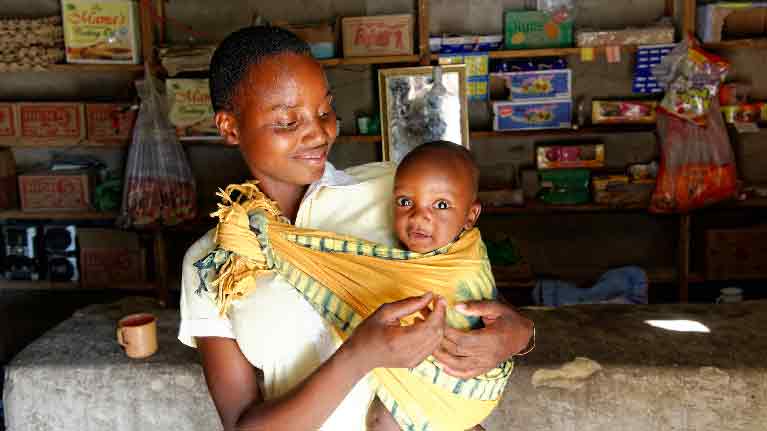
The International Labour Organization (ILO) has launched a powerful global campaign titled "This is Social Justice", a multimedia initiative showcasing real-life stories of how social justice transforms lives, strengthens communities, and drives sustainable development. The campaign arrives as the world prepares for the Second World Summit for Social Development (WSSD), which will be held in Doha, Qatar, from 4 to 6 November 2025, and aims to renew global commitments to social inclusion, equality, and decent work for all.
Through a series of short videos shared on social media, the ILO seeks to make social justice visible and relatable, showing that it is not an abstract concept confined to policy debates, but a living reality that shapes people's livelihoods, dignity, and well-being.
"Social justice is at the heart of the ILO's mandate and the foundation of peace, stability, and human progress," said Gilbert F. Houngbo, Director-General of the International Labour Organization. "Through this campaign, we want to highlight that every person's story—whether of struggle, resilience, or success—is part of a larger global movement to make work fairer and societies more inclusive."
A Campaign Rooted in Human Stories
The "This is Social Justice" campaign unfolds through a series of personal narratives from around the world, each reflecting a unique dimension of decent work, equality, and opportunity. The first video features Gjergj Leqejza, an entrepreneur from Albania, who chose to remain in his home country despite decades of economic hardship. Instead of emigrating, he built a textile enterprise grounded in fair wages, safe working conditions, and local community empowerment.
"I wanted to prove that you don't have to leave your country to build a future," says Leqejza in the film. "Social justice means giving people dignity through decent jobs."
His story is emblematic of the ILO's century-long mission: that economic growth must go hand in hand with fairness, rights, and shared prosperity.
The campaign's upcoming episodes explore equally inspiring journeys:
-
A farmer in Bangladesh applying sustainable agricultural practices to improve livelihoods.
-
An urban planner in Jordan leading a green regeneration project that provides jobs and restores hope to communities.
-
A union leader in Brazil championing workers' rights at a mega-sports complex.
-
A working mother in Moldova balancing her career thanks to an employer-provided childcare centre.
-
A homeless man in South Africa who becomes a salaried manager through a reintegration program.
The stories together form a tapestry of how social justice—expressed through decent work, equal opportunities, and community solidarity—can transform individual lives while advancing the Sustainable Development Goals (SDGs).
"The faces and voices in this campaign show what social justice looks like in practice," said Martha Newton, ILO Deputy Director-General for Policy. "They remind us that behind every policy or law are people striving for dignity, fairness, and a better tomorrow."
Aligning with the Second World Summit for Social Development
The timing of the campaign is strategic. The Second World Summit for Social Development (WSSD), hosted in Doha, will be the most significant global gathering on social development since the first summit held in Copenhagen in 1995. The event aims to reinvigorate the world's commitment to social justice amid mounting global challenges such as inequality, informality, climate change, and displacement.
The ILO, which has long been a key player in shaping the global agenda for social protection and labour rights, is using the campaign to build momentum toward the Summit's objectives:
-
Reaffirming social justice as the foundation of sustainable peace and economic stability.
-
Promoting inclusive policies that prioritize marginalized groups, women, and youth.
-
Strengthening the Global Coalition for Social Justice, launched by the ILO in 2023 to accelerate action worldwide.
At the Doha Summit, leaders are expected to discuss new frameworks for financing social protection, fair transitions in green economies, and the protection of workers' rights in an era of technological disruption.
"This campaign bridges the global conversation and the individual experience," explained Dr. Sangita Reddy, member of the Global Coalition for Social Justice. "It reminds policymakers that behind every statistic is a story of someone who deserves fairness, respect, and opportunity."
Storytelling as Advocacy
Each episode of the "This is Social Justice" campaign combines documentary-style storytelling with powerful visuals that connect local struggles to global principles. The videos will be released twice weekly—every Monday and Thursday—through the ILO's official digital platforms, leading up to the Doha Summit.
The ILO's communication strategy seeks to humanize social justice, making it accessible to new audiences, particularly youth and workers in the informal economy. By bringing to life the values embedded in ILO conventions—such as freedom of association, gender equality, and the right to decent work—the campaign illustrates how social justice is essential not only for workers but also for employers, communities, and governments.
"We want people to see themselves in these stories," said Anoushka Ravishankar, ILO Communications Officer for the campaign. "Social justice is not an abstract policy term—it's a mother accessing childcare, a worker receiving fair pay, or a young person finding a path out of poverty."
The Broader Message: Social Justice as a Global Imperative
The campaign's broader message ties directly into the ILO's vision for a Global Coalition for Social Justice, launched in 2023 to unite governments, trade unions, businesses, and civil society around the shared goal of ensuring that no one is left behind in the pursuit of decent work and sustainable development.
The ILO defines social justice as the equal distribution of opportunities, rights, and protections that enable people to live with dignity. It is the glue that holds societies together, promoting cohesion, reducing inequality, and fostering trust in institutions.
As the world grapples with the aftermath of the COVID-19 pandemic, economic instability, and climate crises, the ILO argues that a renewed social contract rooted in justice and fairness is more urgent than ever.
"Social justice is the foundation of everything—from eradicating poverty to achieving the Sustainable Development Goals," said Houngbo. "It's what makes work meaningful and growth inclusive."
Beyond Doha: Sustaining the Momentum
The ILO has announced that new stories will continue to be released after the Summit, featuring experiences from Colombia, Senegal, and the Dominican Republic, among other countries. These narratives will extend the conversation beyond the conference halls, creating a living archive of human experiences that illustrate how fairness and inclusion can drive transformation.
By grounding global commitments in the realities of everyday people, "This is Social Justice" serves as both a campaign and a call to action—a reminder that achieving the SDGs requires not only policies but also compassion, dialogue, and solidarity.
"Social justice isn't a slogan," Houngbo concluded. "It's a responsibility shared by all of us—to ensure that progress reaches every worker, every family, and every community."
ALSO READ
-
Africa’s Informal Workers Power Trade but Have Little Say in Rules Shaping Lives
-
Jordan’s Skills Recognition Programme Opens New Opportunities for Workers
-
Vietnam Rethinks Ageing as Jobs, Skills and the Care Economy Become Economic Priorities
-
Viet Nam Puts Older Workers at the Heart of a New Plan for Jobs, Skills and Care
-
Asturias Backs Women Care Workers in Cali With New ILO Community Support Agreement


 Google News