

UNICEF Warns Social Media Bans May Backfire, Urges Rights-Based Online Safety
Families are struggling to keep children safe online, and the current digital environment is failing them. But UNICEF stresses that banning access is not the simple solution many hope for.
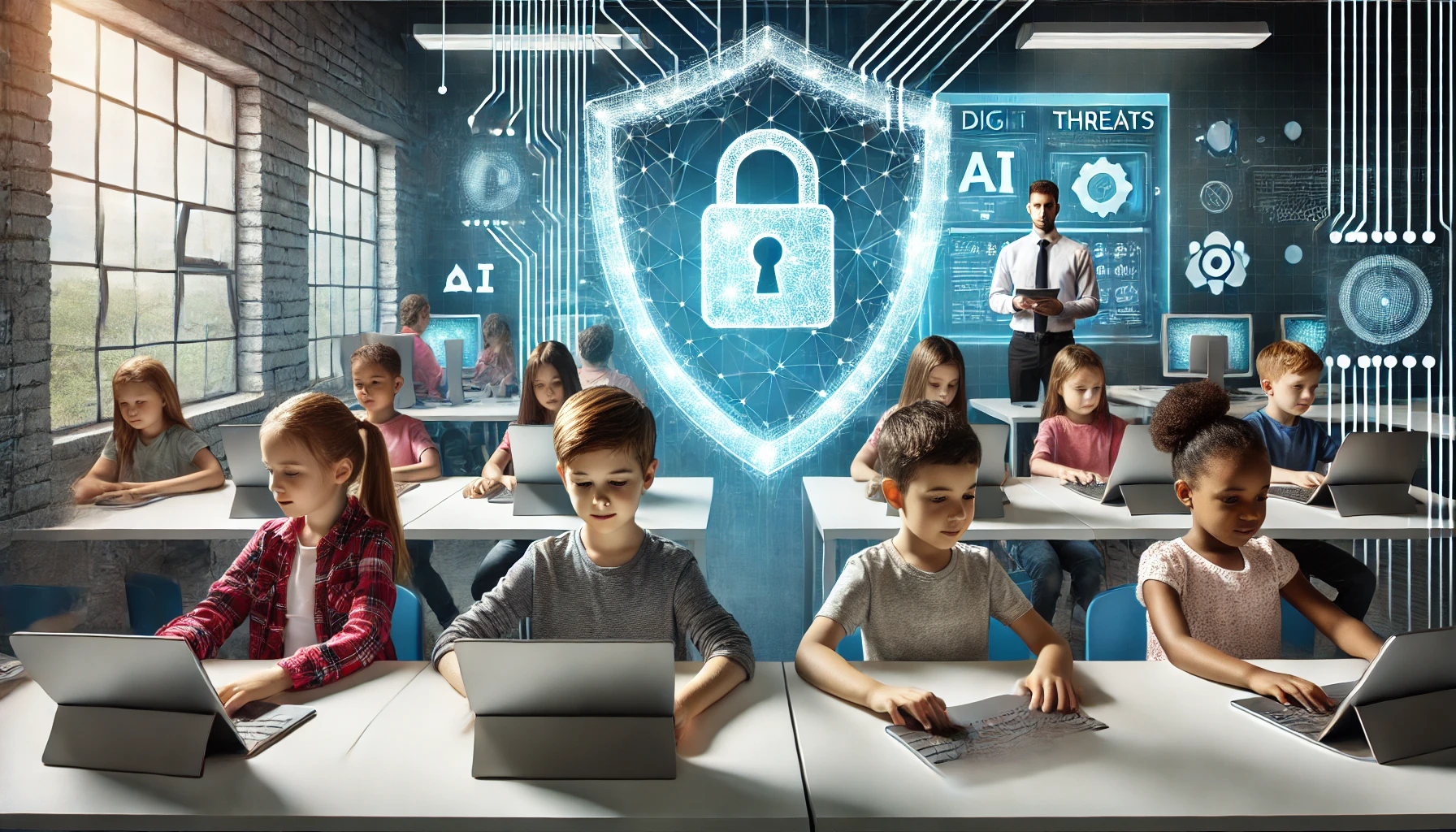
As debates intensify worldwide over how young is "too young" to use social media, UNICEF is urging governments to look beyond simple age-based bans. While many countries are introducing minimum-age rules across platforms, UNICEF warns that such restrictions—though well-intentioned—may carry unintended risks and could ultimately fail to protect children in the digital age.
Why Governments Are Increasing Age Restrictions
Governments are responding to growing public concern. Children today face a wide range of online threats:
-
Cyberbullying and harassment
-
Sexual exploitation and grooming
-
Exposure to violent, hateful, or age-inappropriate content
-
Negative impacts on mental health, including anxiety, depression, and body-image issues
Families are struggling to keep children safe online, and the current digital environment is failing them. But UNICEF stresses that banning access is not the simple solution many hope for.
Bans Can Backfire and Create New Risks
For many children—particularly those who are isolated, marginalized, displaced, or living with disabilities—social media is far more than entertainment. It is a lifeline that provides:
-
Access to learning and educational materials
-
Opportunities for self-expression and creativity
-
A sense of belonging and social connection
-
A platform to participate in civic and public life
UNICEF warns that strict age bans may push children toward:
-
Unregulated or underground platforms
-
Insecure shared devices
-
Workarounds that bypass safeguards
These environments are often less safe and harder for parents or authorities to monitor—making children more vulnerable rather than protected.
A Rights-Based, Holistic Approach Is Essential
UNICEF emphasizes that age restrictions should be only one part of a comprehensive, child-rights centred digital safety strategy. The organisation calls for:
1. Governments
-
Ensure age-related laws do not replace companies' responsibility to build safer platforms.
-
Mandate proactive risk assessments, transparency, and stronger accountability from tech firms.
-
Promote policies that protect children without limiting their rights to participation, information, and privacy.
2. Social Media & Tech Companies
-
Redesign digital platforms with child safety at the core, not as an add-on.
-
Develop robust content moderation, including in low-resource and conflict-affected countries.
-
Create rights-respecting age-assurance technologies that do not exploit children's data.
-
Offer differentiated, developmentally appropriate experiences for younger users.
3. Regulators
-
Establish systemic, preventive measures to identify and mitigate online harms.
-
Cooperate internationally to ensure protections are applied across borders.
4. Civil Society & Research Organisations
-
Elevate the real experiences of children, parents, caregivers, and educators.
-
Produce quality evidence to guide policy decisions and debunk myths.
-
Advocate for global standards that uphold children's rights in digital spaces.
5. Parents & Caregivers
Parents are expected to protect children online, but the demands placed on them are often unrealistic. UNICEF stresses the need for:
-
Better digital literacy support
-
Clearer guidance from platforms
-
Tools that allow parents to support—not surveil—their children
-
Recognition that parenting alone cannot compensate for unsafe platform design
UNICEF's Ongoing Commitment
UNICEF pledges to continue working with governments, regulators, tech companies, researchers, and families to ensure that:
-
Digital policies and technologies reflect children's needs, rights and voices
-
Children can safely learn, connect, participate, and thrive online
-
Future regulations balance protection with access and empowerment
"As digital spaces become central to childhood," UNICEF states, "we must build online environments that are not only safer—but also more inclusive and respectful of children's rights."
ALSO READ
-
Lebanon’s Children Face Hunger, Lost Schooling and Work as Families Reach the Brink
-
UNICEF Praises Jordan’s Progress for Children as Funding Cuts Threaten Vital Services
-
Somalia Faces Deepening Hunger as Flood Threat Puts Lives and Farms at Risk
-
Nepal’s Floods Leave 14,000 Children Facing Disrupted Learning as Recovery Needs Grow
-
Drone Strikes Destroy Over 292,000 Textbooks Ahead of Sudan’s New School Year


 Google News