

UNICEF Warns as Winter Floods in Gaza Claim Children’s Lives in Unsafe Shelters
UNICEF teams visiting displacement sites have reported devastating living conditions, with many tents collapsing or being blown away entirely.
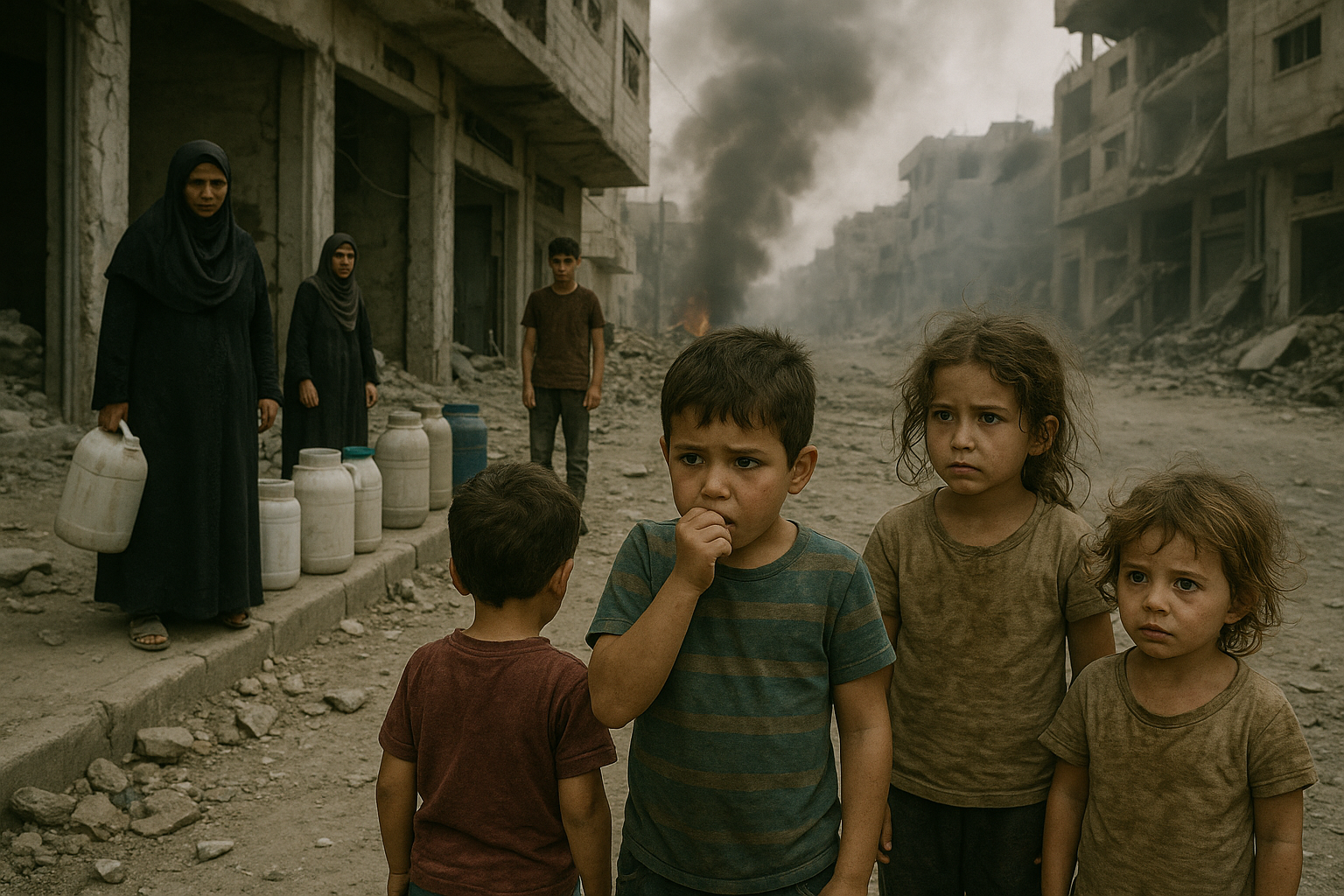
UNICEF has expressed deep sorrow over the preventable death of Ata Mai, a seven-year-old boy who drowned on 27 December amid severe flooding in an improvised camp for internally displaced people in Sudaniyeh, northwest of Gaza City. Ata's death is the latest in a series of child fatalities linked to extreme winter conditions and the absence of safe shelter in Gaza, where at least five children have died in December alone due to exposure to cold, flooding and harsh weather.
Ata and his family were living in a makeshift camp of around 40 tents housing displaced families. The site had been severely affected by prolonged heavy rainfall, strong winds and freezing temperatures, leaving residents highly vulnerable. Ata went missing in the afternoon, and despite intensive search and rescue efforts supported by heavy machinery, his body was recovered only hours later. His siblings, all under the age of ten, have already suffered immense trauma, having previously lost their mother during the war.
In the aftermath of the tragedy, UNICEF has been supporting Ata's family with emergency assistance, including blankets, tarpaulins and psychosocial support, while assessing additional needs to help them cope with their loss and ongoing displacement.
Children at extreme risk amid collapsing living conditions
Ata's death highlights the severe risks facing children in Gaza's most affected areas, where widespread destruction of homes, water systems and sewage infrastructure has left families exposed to the elements. This week's intense rainfall, freezing temperatures and strong winds have affected an estimated 100,000 families living in tents or makeshift shelters with little or no protection. With further rain and colder weather forecast, humanitarian agencies warn that conditions are likely to deteriorate further.
UNICEF teams visiting displacement sites have reported devastating living conditions, with many tents collapsing or being blown away entirely. Children are sleeping on soaked ground, exposed to cold winds and floodwaters, in circumstances that fall far below basic standards for safety and dignity.
The situation is further aggravated by flooding that overwhelms damaged sewage and drainage systems. Heavy rains have increased fuel requirements for pumping sewage and stormwater, raising the risk of environmental contamination and disease. At the Sheikh Radwan lagoon, for example, water levels have risen from 1.8 to 2.2 metres, requiring around 7,000 litres of fuel each day to prevent overflow into surrounding communities.
UNICEF's emergency winter response
As part of its emergency winterization efforts, UNICEF, in coordination with other UN agencies and partners, has been providing life-saving support to thousands of displaced families. This includes the installation of temporary water pipelines, distribution of hygiene supplies, tarpaulins, blankets and dignity kits, and efforts to ensure access to latrines.
Teams are also working to clear and reopen blocked sewage pipelines, remove stormwater from flooded areas and reinforce tents to reduce the risk of collapse. These interventions are critical to preventing further loss of life, particularly among children, who are most vulnerable to cold exposure, contaminated water and disease.
Urgent call for unrestricted humanitarian access
UNICEF has stressed that children in Gaza have endured profound suffering and have an inherent right to protection, warmth and safe shelter. Meeting these basic needs must be an immediate priority. The organization has called for the urgent and large-scale entry of a full range of life-saving and life-sustaining supplies, including items that have previously been denied or restricted.
To address the escalating water and sanitation crisis, UNICEF is urging the entry at scale of water treatment chemicals, spare parts and essential equipment needed to repair, maintain and operate water and wastewater systems across Gaza. It has also called for a sustained increase in fuel supplies to prevent flooding, sewage exposure and serious public health risks, including outbreaks of disease linked to disrupted waste collection.
Without immediate action and unhindered humanitarian access, UNICEF warns that more children's lives will be placed at risk as winter conditions worsen, compounding an already devastating humanitarian crisis.


 Google News