

Israel’s Suspension of Aid Agencies Deepens Gaza’s Humanitarian Catastrophe
This latest move fits into a broader and disturbing pattern. Over recent months, Israel has systematically constrained the ability of humanitarian actors to operate effectively in Gaza.
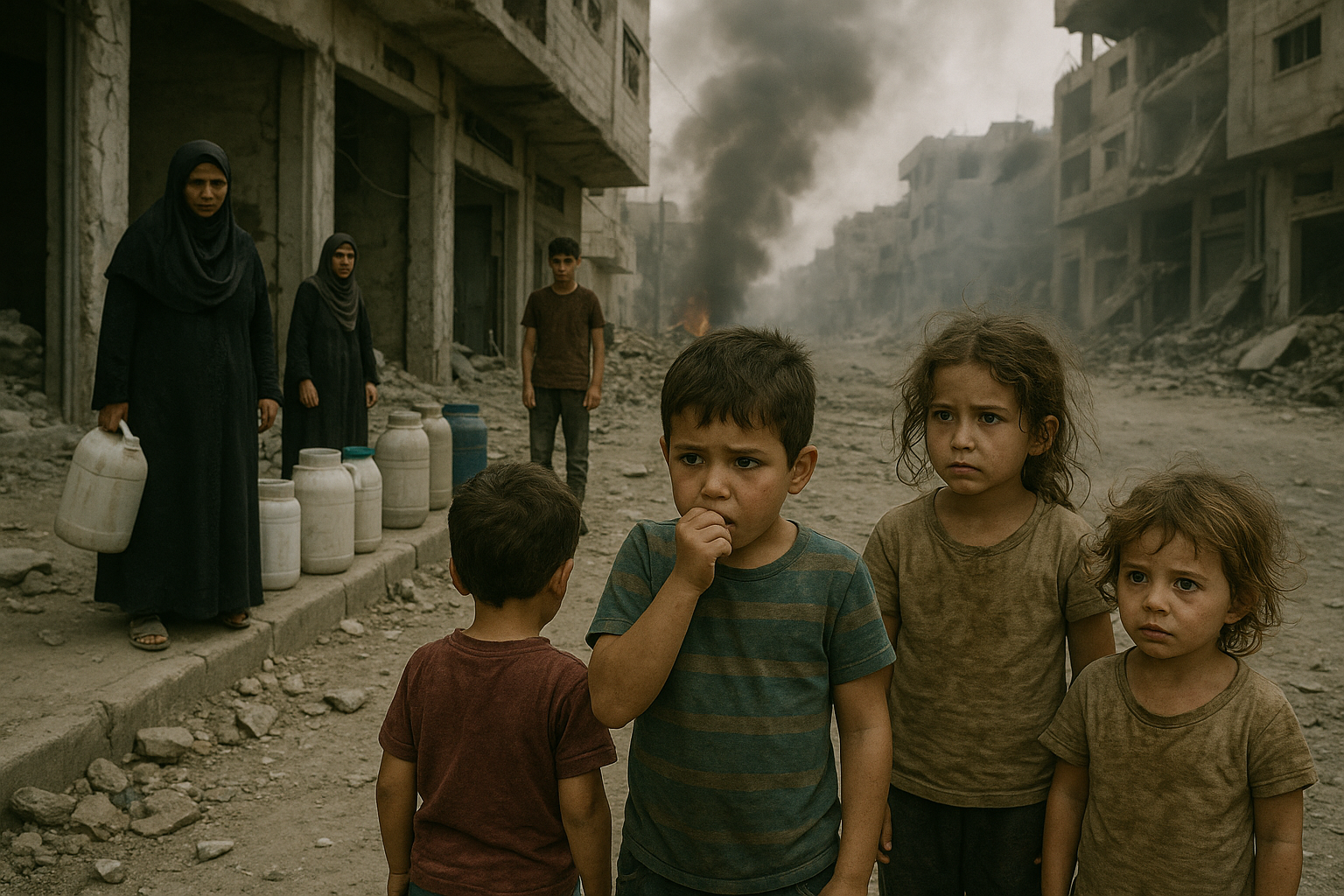
Israel's decision to suspend the operations of numerous humanitarian aid agencies in Gaza represents a deeply troubling escalation in its long-standing restrictions on humanitarian access. At a moment when Gaza's civilian population is facing unprecedented levels of deprivation, hunger, displacement, and insecurity, such actions are not only morally indefensible but also legally indefensible under international humanitarian law.
This latest move fits into a broader and disturbing pattern. Over recent months, Israel has systematically constrained the ability of humanitarian actors to operate effectively in Gaza. Most notably, it imposed a ban on the United Nations Relief and Works Agency for Palestinian Refugees in the Near East (UNRWA), the single largest provider of humanitarian assistance to Palestinians. That decision alone has had devastating consequences, disrupting food distribution, medical services, education, and shelter for millions who depend on the agency for survival.
Beyond UNRWA, both Israeli and Palestinian non-governmental organisations have come under increasing pressure. Aid workers have faced harassment, bureaucratic obstruction, and in some cases direct attacks, all within a broader environment of restricted access for United Nations agencies and international humanitarian organisations. These measures have collectively eroded the already fragile humanitarian response system in Gaza, rendering it incapable of meeting even the most basic needs of the population.
The suspension of additional aid agencies now compounds an already intolerable situation. Gaza's civilians, the overwhelming majority of whom are women and children, are bearing the direct consequences. Essential supplies such as food, clean water, medical equipment, fuel, and shelter materials remain severely limited. Hospitals struggle to function, malnutrition is rising, and preventable diseases are spreading — outcomes that are entirely foreseeable when humanitarian access is deliberately constrained.
Under international law, Israel bears clear obligations as the occupying power. The Fourth Geneva Convention explicitly requires the occupying authority to ensure the provision of essential supplies necessary for the survival of the civilian population. Where local resources are inadequate, the occupying power must allow and facilitate humanitarian relief efforts by impartial organisations. Arbitrary suspensions, blanket bans, and administrative obstructions directly undermine these legal duties.
The international community cannot remain passive in the face of these violations. States, particularly those with political, military, or economic influence over Israel, have a responsibility to act. Diplomatic statements of concern are no longer sufficient. What is urgently required is coordinated and sustained pressure to ensure that humanitarian access to Gaza is restored immediately, fully, and without conditions.
Allowing aid to reach civilians is not a political concession; it is a legal and moral imperative. The continued obstruction of humanitarian assistance risks further loss of life and entrenches a cycle of suffering that serves no legitimate security purpose. Every day that aid agencies are prevented from operating freely is another day in which Gaza's civilians are denied their most basic rights.
Israel must immediately reverse these suspensions, lift restrictions on humanitarian actors, and comply with its obligations under international law. Failure to do so not only deepens Gaza's humanitarian catastrophe but also further erodes the international legal framework designed to protect civilians in times of conflict.


 Google News