

ILO-Led Round Table in Astana Strengthens Social Dialogue in Kazakhstan
Discussions focused on reinforcing the institutional foundations of social dialogue at both national and local levels, including the effective functioning of tripartite mechanisms.
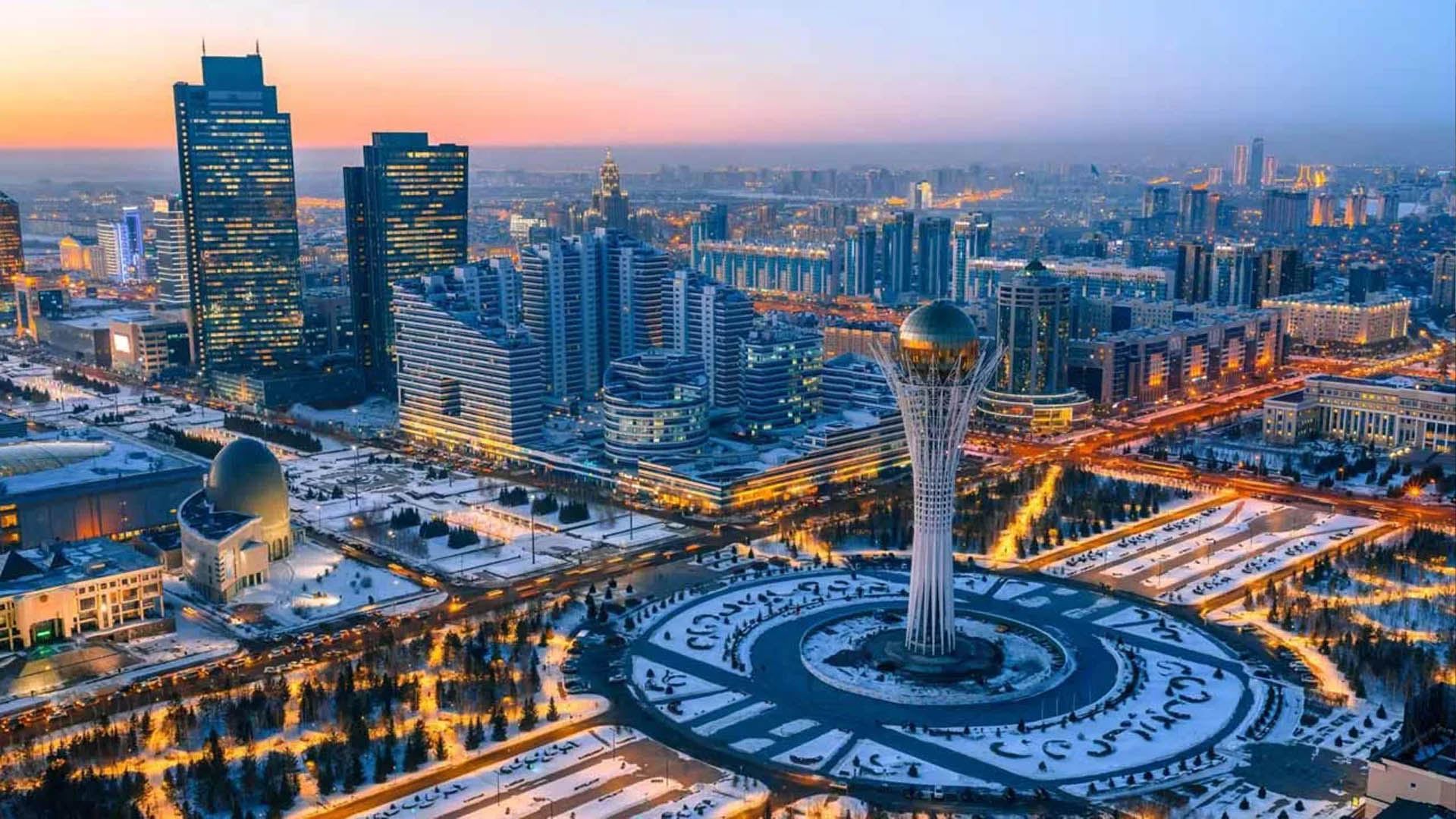
The International Labour Organization (ILO) has convened a high-level tripartite round table in Astana to advance social dialogue, promote freedom of association and strengthen peaceful mechanisms for resolving labour disputes in Kazakhstan.
Held on 29–30 January 2026, the meeting brought together more than 50 representatives from government, employers and workers, including the Ministry of Labour and Social Protection of Population, the National Confederation of Employers PARYZ, and the Federation of Trade Unions of Kazakhstan, alongside senior ILO officials and the United Nations Resident Coordinator.
The round table was organised within the framework of Kazakhstan's Roadmap for the Promotion of Decent Work, which sets out commitments to improve labour relations, strengthen social dialogue and align national practice with international labour standards.
Strengthening Social Partnership
Discussions focused on reinforcing the institutional foundations of social dialogue at both national and local levels, including the effective functioning of tripartite mechanisms.
Participants examined:
-
Clearer roles and responsibilities of tripartite partners
-
Transparency and trust in decision-making processes
-
Criteria for the representativeness of employers' and workers' organisations
-
Alignment with international labour standards
"Kazakhstan's system of labour relations is based on balancing the interests of workers and employers through social dialogue," said Meirambek Akhmetov, Chairman of the State Labour Inspection Committee. "The institution of social partnership has proven its effectiveness and holds significant potential for resolving social and labour issues."
Freedom of Association as a Foundation
ILO officials highlighted that freedom of association and collective bargaining are not only fundamental rights, but practical tools for preventing labour conflict.
"Freedom of association and collective bargaining help build legitimate, sustainable labour relations and prevent disputes from escalating," said Mikhail Pouchkin, Director of the ILO Office for Eastern Europe and Central Asia. "This round table provided an opportunity to assess Kazakhstan's current social dialogue framework and identify concrete ways to strengthen it."
Focus on Peaceful Labour Dispute Resolution
A key theme of the discussions was the prevention and resolution of collective labour disputes through peaceful means.
ILO specialists shared international experience on:
-
Conciliation
-
Mediation
-
Voluntary arbitration
These mechanisms were highlighted as effective early-stage tools to reduce tensions, limit economic disruption and protect jobs.
Satybaldy Dauletalin, Chairman of the Federation of Trade Unions of Kazakhstan, stressed the importance of aligning national practice with core ILO conventions, including Conventions No. 87, No. 98 and No. 154.
"Conciliation, mediation and voluntary arbitration should become normal practice, not rare exceptions," he said. "They reduce tension, preserve jobs, conserve resources and help prevent disputes from reaching a breaking point."
Employers Call for Practical Outcomes
Employers also underlined the importance of moving from principles to action.
"Social dialogue creates value when it delivers real solutions that allow the economy, the labour market and society to move forward," said Zhumabek Zhanykulov, Chairman of the Presidium of PARYZ. He emphasised the need for shared responsibility, practical implementation and measurable results.
Aligning Reforms With International Standards
ILO specialists noted that ongoing labour law reforms should further reflect international labour standards and the observations of ILO supervisory bodies.
They emphasised the importance of:
-
Strengthening the independence and representativeness of trade unions and employers' organisations
-
Improving the effectiveness of the National Tripartite Commission
-
Ensuring dispute resolution mechanisms complement, rather than replace, collective bargaining
The ILO also recommended embedding dispute resolution procedures directly into collective agreements, with binding provisions at enterprise level.
Next Steps
The round table concluded with agreement to consolidate the discussions into a set of practical recommendations, which—with ILO support—will inform future proposals to strengthen Kazakhstan's national system of social dialogue and collective labour dispute resolution.
Sarangoo Radnaaragchaa, UN Resident Coordinator in Kazakhstan, said effective tripartite dialogue is closely linked to human rights and social cohesion.
"The UN Cooperation Framework Agreement for 2026–2030 places strong emphasis on decent work, inclusive labour relations and social cohesion," she said.
Participants agreed that strong social dialogue and effective dispute resolution are mutually reinforcing and essential for stable, predictable and fair labour relations, representing a long-term investment in productivity, social cohesion and decent work in Kazakhstan.
ALSO READ
-
Vietnam Rethinks Ageing as Jobs, Skills and the Care Economy Become Economic Priorities
-
Viet Nam Puts Older Workers at the Heart of a New Plan for Jobs, Skills and Care
-
Asturias Backs Women Care Workers in Cali With New ILO Community Support Agreement
-
Nepal Floods Leave Workers Facing Lost Income as Damage Spreads Beyond Disaster Zone
-
Belize Communities Take the Lead in New Push for Jobs, Skills and Stronger Futures


 Google News