

Investing in Rural Economies Key to Food Security and Stability: IFAD President
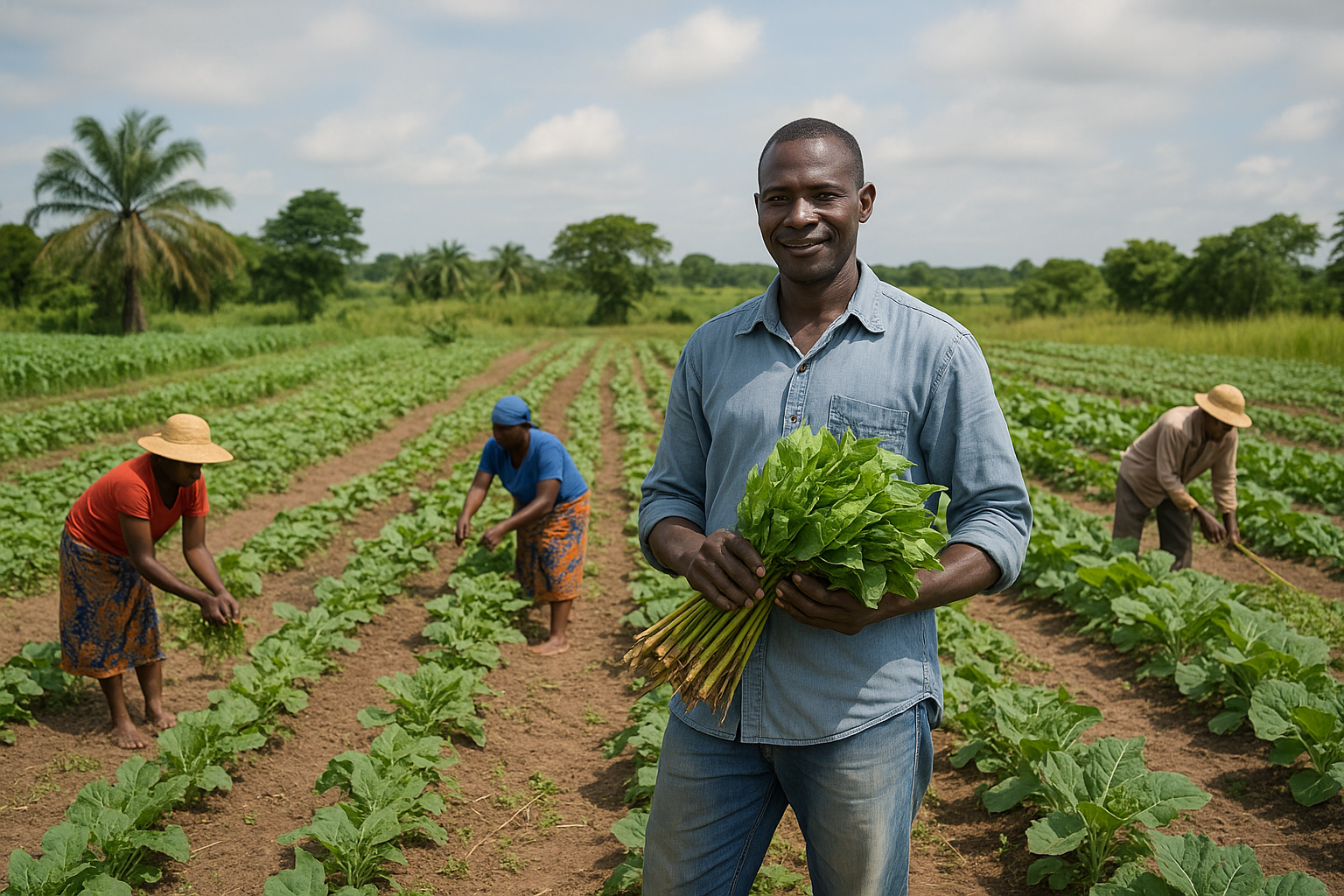
Small-scale farmers produce a significant share of national food supplies but face disproportionate risks from climate shocks, water scarcity and market volatility.
Investing in rural economies is one of the most effective pathways to achieving food security, economic growth and long-term stability across the Arab world and beyond, said Mr. Alvaro Lario, President of the International Fund for Agricultural Development (IFAD), while delivering a keynote address at a food security conference during the World Governments Summit 2026.
The conference was organised by the Arab Authority for Agricultural Investment and Development (AAAID) and brought together policymakers, investors and development leaders to discuss strategies for strengthening food systems amid climate stress and global volatility.
Small-Scale Farmers at the Heart of Food Systems
Highlighting the interconnected nature of food systems, Mr. Lario said modern, technology-driven food hubs in the Gulf are deeply linked to millions of small-scale farmers, pastoralists and food producers across the region who continue to supply food through labour-intensive, traditional methods.
"Investing in small-scale farmers and rural enterprises—together with like-minded institutions, investors and agribusinesses—strengthens rural economies, expands employment opportunities and supports regional and global stability," he said.
Small-scale farmers produce a significant share of national food supplies but face disproportionate risks from climate shocks, water scarcity and market volatility. Strategic investment at the "first mile" of food systems, Mr. Lario noted, can unlock strong economic and food security returns.
Strong Returns from Rural Investment
Citing IFAD's recent impact assessments, Mr. Lario said IFAD-supported investments have delivered measurable results within just three years, including:
-
34 per cent increase in rural incomes
-
35 per cent growth in agricultural production
-
34 per cent improvement in market access
In Morocco, for instance, modern irrigation systems reduced water use by 30 per cent, increased crop yields by 25 per cent, and boosted household incomes by 50 per cent—demonstrating how efficient resource allocation and technology can deliver rapid gains in water-stressed environments common across Arab and Gulf states.
Rural Development, Peace and Stability
Mr. Lario also underscored the strong link between rural investment and peace, noting that IFAD's experience in Ethiopia shows that every 1 per cent increase in land productivity is associated with a 3 per cent reduction in conflict.
"These findings confirm that rural development is not just an economic issue—it is a security and stability imperative," he said.
Partnerships Multiply Impact
The IFAD President stressed that the impact of rural investments can be significantly amplified through partnerships. He described the Arab region as a strategic partner for IFAD, given its role as a global hub for finance, innovation and South-South cooperation.
As an example, he pointed to IFAD's long-standing collaboration with AAAID, which began in 2000. The partnership combines AAAID's financial capacity and regional mandate with IFAD's global expertise and grassroots networks to unlock financing and scale impact.
Crowding in Public and Private Finance
Mr Lario highlighted IFAD's role in transforming donor contributions into large-scale development investments. Beyond donor aid, IFAD projects mobilise domestic resources and attract additional public and private capital.
"Every US$1 of donor contributions helps generate approximately US$6 of investments on the ground," he said, underscoring IFAD's catalytic role in financing sustainable food systems.
As climate pressures, population growth and geopolitical uncertainty continue to strain food systems, Mr. Lario concluded that sustained investment in rural economies—anchored in partnerships—will be critical to ensuring food security, economic opportunity and long-term stability across the Arab region and globally.


 Google News