

Refugees in Africa Face Nearly 16 Years of Life in Exile
UNHCR Regional Director for Eastern and Southern Africa Mamadou Dian Balde said young refugees should not have their futures defined by uncertainty.
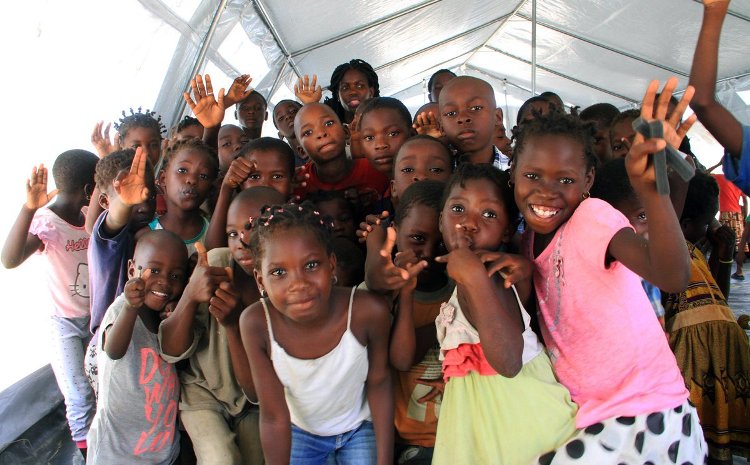
Millions of refugees in Eastern and Southern Africa are spending much of their lives in exile, with a new analysis from the United Nations Refugee Agency (UNHCR) showing that the median time spent displaced in the region is almost 16 years.
The findings, based on UNHCR registration data collected between 2001 and 2025, highlight the growing challenge of prolonged displacement across the region. At the end of 2025, around 6.4 million refugees and asylum-seekers were registered in Eastern and Southern Africa, many of whom had fled conflict, persecution, and instability in countries including Sudan, South Sudan, and Somalia. Neighbouring nations such as Uganda, Ethiopia, and Kenya continue to host large refugee populations despite facing their own economic and development challenges.
Children and families bear the heaviest burden
The analysis shows that displacement has become a long-term reality for many refugees. Three out of every four refugees remain displaced after five years, while nearly two in five are still living in asylum two decades after first seeking protection. Children are among those most affected. Refugees registered before the age of five remain in asylum for a median period exceeding 18 years. Many spend their entire childhood and teenage years in refugee situations before reaching adulthood without a lasting solution.
UNHCR Regional Director for Eastern and Southern Africa Mamadou Dian Balde said young refugees should not have their futures defined by uncertainty. He stressed the need for greater access to education, legal documentation, skills training, and employment opportunities that allow them to build independent lives and contribute to the communities hosting them. The report also found that larger families often remain displaced for longer periods. Single individuals typically spend just under six years in asylum, while families with five or more members remain displaced for nearly 19 years on average.
Calls grow for long-term solutions and greater support
Women and girls were found to experience longer periods of displacement than men and boys. Female refugees remain in asylum for a median of almost 17 years, compared with just over 14 years for males. UNHCR said this pattern reflects a combination of protection concerns, caregiving responsibilities, and barriers to mobility. The agency warned that extended displacement can create cycles of dependency lasting across generations if refugees are unable to access education, employment, and economic opportunities. Balde said asylum continues to save lives, but refugees need more than emergency assistance. He called for greater efforts to support voluntary returns when conditions are safe, while also expanding opportunities for integration and self-reliance for those who cannot return home.
UNHCR is urging donors, development partners, and private sector organisations to increase support for refugee-hosting countries so that refugees and local communities can rebuild their lives together with dignity and opportunity.
ALSO READ
-
Deepening Funding Cuts Push Nearly 6 Million Refugee Children Out of School
-
Malaysia’s Return of 1,476 People to Myanmar Raises UNHCR Fears Over Their Safety
-
Myanmar Market Airstrikes Kill at Least 50 as UN Urges Malaysia to Halt Deportations
-
Refugee Protection Nears Breaking Point: UN Funding Cuts Put 8.3 Million Lives at Risk
-
Sudanese Families Flee to Chad as Violence Surges and Refugee Support Falls Behind


 Google News