

Nearly Four Million Displaced as Central Sahel Crisis Pushes Families Beyond Borders
Agricultural cooperatives in Koro are giving Burkinabè refugees and host-community members a way to improve food production and household incomes together.
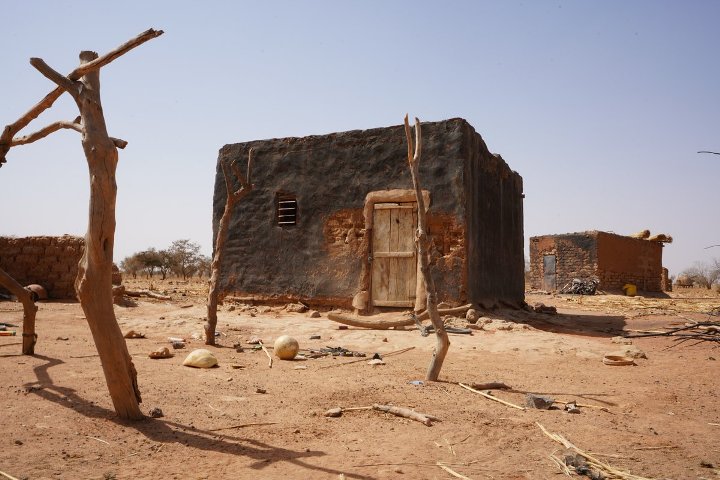
Nearly four million people have been forced from their homes across Burkina Faso, Mali and Niger, according to the supplied briefing from UNHCR, the UN Refugee Agency. Behind that number are families trying to find somewhere safe to live, children whose education has been disrupted and communities sharing land, water and services that were already stretched.
The total includes more than 818,000 refugees and asylum-seekers and is roughly double the displacement recorded in October 2020, when the region had more than 1.7 million internally displaced people and 365,000 refugees. Continued attacks affecting civilians, climate-related shocks and a widening funding gap are making it harder for people to find safety and rebuild their lives.
Families Seeking Safety Face Growing Pressure
The situation in Koro, in Mali's Bandiagara region, shows how displacement is changing daily life for people arriving and those receiving them. Around 86,000 Burkinabè refugees had sought safety there by July 2026, following successive waves of displacement since 2025. Most refugees in Mali come from neighbouring Burkina Faso.
Among those in Koro are more than 14,000 children and 6,000 women identified as being at particular risk. Their need for protection comes at a time when the refugee population is approaching the size of the local host community, placing growing demands on scarce land and water, overstretched health services and limited opportunities to earn a living.
Climate shocks are making these pressures harder to manage. Recurrent droughts, unpredictable rainfall and flooding disrupt farming, damage homes and infrastructure, and reduce access to water. Families who depend on crops and livestock face shrinking opportunities to support themselves, adding another source of insecurity to lives already disrupted by violence.
Farming Projects Offer a Practical Way Forward
Agricultural cooperatives in Koro are giving Burkinabè refugees and host-community members a way to improve food production and household incomes together. The initiatives expanded cultivated land from 21 hectares in 2025 to 45 hectares in 2026, demonstrating what practical support can make possible even in difficult conditions.
Similar assistance in Kaya, Burkina Faso, is helping internally displaced people and local communities grow more food, reduce losses after harvest and generate income. These projects remain small compared with the scale of the crisis, but they offer people a chance to regain some control over their daily lives.
Expanding this work requires sustained investment in livelihoods and national systems, alongside protection and access to basic services, including education. Support must reach displaced families and the communities hosting them, where growing populations are placing additional demands on shared resources.
UNHCR connects these priorities to its 50 by 35 vision, which seeks to advance self-reliance and lasting solutions for refugees in protracted displacement by 2035. Families need support now, even as longer-term political solutions are pursued.
Displacement Is Reaching Beyond the Central Sahel
Almost 500,000 Burkinabè refugees and asylum-seekers had sought safety in neighbouring countries in 2026, up from more than 300,000 at the end of 2025. Many have fled to West Africa's coastal countries, including Benin, Côte d'Ivoire, Ghana and Togo.
More than 334,000 Malians are refugees abroad, and over 106,000 Nigeriens are recorded as refugees and asylum-seekers in neighbouring countries. These movements show how insecurity in the Central Sahel is creating protection and assistance needs across a much wider region.
Reaching another country does not always bring the stability people need. Refugees who cannot find safety or a realistic prospect of supporting themselves may travel further, often alongside migrants, taking dangerous routes towards North Africa and Europe.
UNHCR is working with governments and partners to establish multi-purpose service hubs along key routes across the region. These hubs provide information, counselling, referrals and essential assistance, helping refugees and migrants access support during journeys that can expose them to further danger.
Funding Cuts Put Essential Support at Risk
As of September 2026, UNHCR's Sahel response was only 27 per cent funded against a requirement of $329.6 million, forcing difficult decisions about which essential services and activities could continue.
The shortfall affects registration and documentation, shelter, basic services and livelihood support. These gaps make it harder for displaced people to meet immediate needs and build a more secure future, leaving host communities with fewer resources to support growing populations.
The briefing calls on governments, development partners, international financial institutions and the private sector to invest in protection, services, livelihoods and host communities. Sustained political engagement is also needed to address the insecurity that continues to force people from their homes.
For nearly four million displaced people, the urgency is measured in everyday needs: a safe place to sleep, access to school and health care, and a dependable way to feed a family. The farming initiatives in Koro and Kaya show what support can achieve; bringing those opportunities to more people will require funding and commitment on a far greater scale.
ALSO READ
-
From Safety to Fresh Starts: UN Refugee Chief Calls for Opportunity in Latin America
-
Deepening Funding Cuts Push Nearly 6 Million Refugee Children Out of School
-
Malaysia’s Return of 1,476 People to Myanmar Raises UNHCR Fears Over Their Safety
-
Refugee Protection Nears Breaking Point: UN Funding Cuts Put 8.3 Million Lives at Risk
-
Refugee Safety Nets Are Thinning as Humanitarian Funding Dries Up


 Google News