

Latin American countries struggle as US increases interference
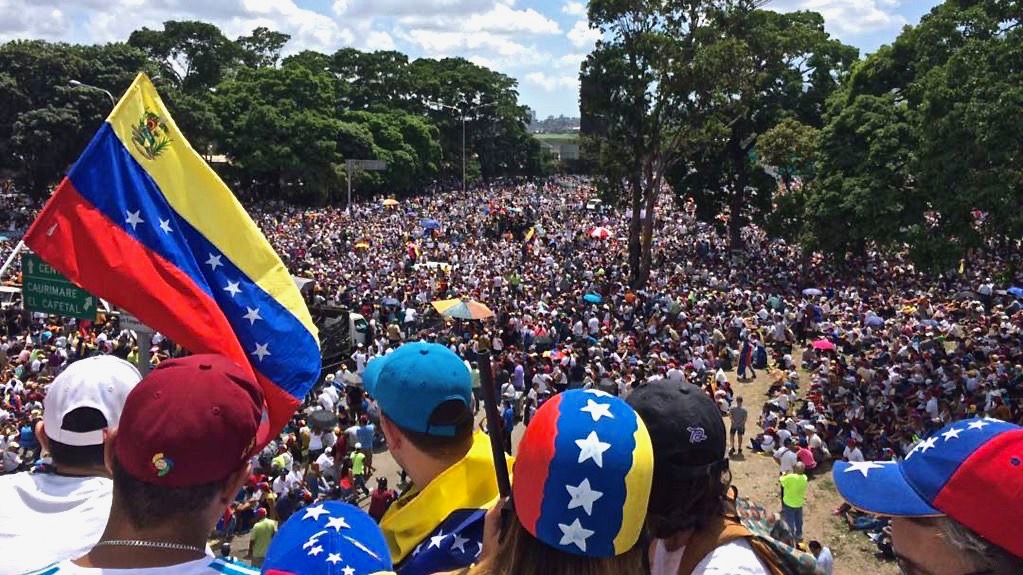
The US has repeatedly interfered in Latin American countries to ensure "stability" and to "protect the rights of citizens", but governments of these nations have often criticized Washington for "undue" interference.
This interference has often led to public outrage. In one such incident, millions of Cubans took to the streets today in protest over new sanctions imposed on the Caribbean island by the Trump administration and US efforts to topple the government of socialist ally Venezuela.
The US administration's decision this month to fully implement the Helms-Burton Act as of Thursday, a 1996 law, marks a significant strengthening of sanctions on Cuba, according to experts. Title I and II of the Act codify all previous sanctions into law and set conditions for Congress to lift them.
But previous presidents, both Republican and Democrat, suspended Title III, which allows US citizens, including Cuban-Americans, to sue anyone profiting from their nationalized or confiscated properties. They also failed to fully enforce Title IV, which bans executives and their closest relatives from the United States if they profit from those properties.
Cuban President Miguel Diaz-Cane has also supported the protests. He said in a tweet, "we will give a strong, firm and revolutionary response to the statements loaded with threats, provocations, lies and slander of the Yankee empire." The Cuban government has proved unable to counter new US sanctions and attacks on Nicaragua and especially Venezuela, Western diplomats say.
Venezuela has been in the throes of a political crisis, which was accelerated when Guaido declared himself as the President of the nation in January. The US immediately recognised him as the interim President, demanding Maduro to step down. Maduro continues to hold on to his post despite several countries calling for his resignation.
The annual marches across the Communist-run country, marking International Workers Day, provided the first opportunity to publicly protest a US offensive against socialism in the region declared by US national security advisor John Bolton late last year. That was followed by a series of new sanctions against Venezuela, Cuba and Nicaragua and the appearance of shortages of basic goods on the island.
CUBA-VENEZUELA RELATIONS
The once-robust economic ties between Cuba and Venezuela, which included an oil-and-cash-for-doctors barter arrangement, numerous joint ventures and other deals, have frayed since Venezuela plunged into crisis in 2015. However, Venezuela still sends between 40,000 and 50,000 bpd of oil to Cuba, which has some 22,000 doctors and other professionals working in Venezuela, on both sides about half of the levels preceding 2015.
Cubans see Venezuela as an ally and source of sustenance.
The US accuses Cuba of deploying military personnel in Venezuela and that potential high-level defectors feared Cuba's wrath. Cuba has repeatedly denied it has troops on the ground.
INCREASED PRESSURE BY TRUMP ADMINISTRATION
On Tuesday, Trump threatened a "full and complete embargo" and more sanctions if Cuban troops continued to prop up the Venezuelan government of socialist President Nicolas Maduro.
US Secretary of State Mike Pompeo has also said the administration of President Donald Trump was prepared to take military action to stem the political crisis in Venezuela. Countries like Cuba, China, Russia, Turkey amongst others have slammed international interference in Venezuelan affairs, throwing their weight behind Maduro.


 Google News