

Brazil's Lula contracts pneumonia, pushes back China trip
- Country:
- Brazil
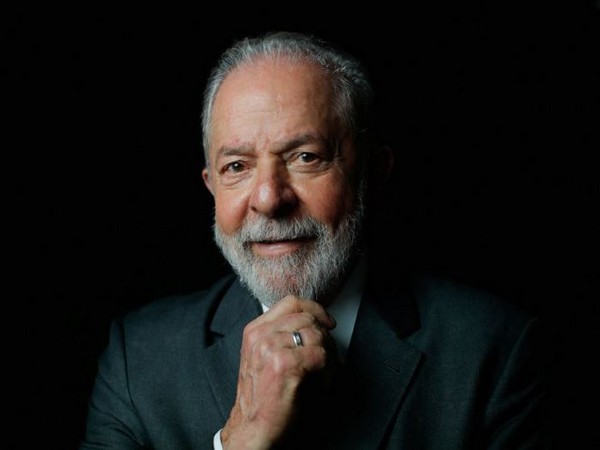
Brazil's President Luiz Inacio Lula da Silva has pushed back his departure to China after contracting "mild pneumonia,'' the presidential palace said in a statement Friday.
Lula, 77, underwent medical examinations in a hospital after a trip to Rio de Janeiro on Thursday, the statement said. He had been expected to leave for China on Friday or Saturday.
The leftist leader is now scheduled to travel on Sunday for his multi-day visit. But newspaper O Globo reported Friday that his departure is pending a health assessment in the afternoon.
A delegation composed of ministers, senators, lawmakers and hundreds of businessmen is set to accompany Lula during his first state visit to Brazil's biggest trade partner since taking office in January.
The Brazilian president and his Chinese counterpart Xi Jinping are scheduled to meet next Tuesday.
Trade, investment and climate change are all on the agenda and 20 bilateral agreements are expected to be signed, according to a statement Thursday from the presidential palace.
Lula, who rarely postpones or cancels trips due to health reasons, travelled to Argentina in January and the US in February, marking a departure from Brazil's foreign policy under former far-right President Jair Bolsonaro, who showed little interest in international affairs or travel abroad.
ALSO READ
-
Brazil’s Tax Reform Gets IDB Loans for State Finances and Public Services
-
IDB Approves $400 Million for Argentina to Strengthen Security and Reform Prisons
-
São Paulo’s $460M Ferry Overhaul Brings Electric Vessels and New Local Jobs
-
Brazil’s Paraíba Secures $50 Million to Build Stronger Water and Sanitation Services
-
AfDB and Brazil Deepen Mali Cooperation on Food, Jobs and Energy


 Google News