

Sri Lanka's New Leftist Leader Anura Kumara Dissanayake Takes Office Amid Economic Turmoil
Anura Kumara Dissanayake assumes presidency of Sri Lanka, marking a shift from long-standing political dynasties. Facing the nation's severest economic crisis in over seventy years, Dissanayake commits to democratic principles and promises economic recovery. He must form a new cabinet and secure parliament's support for an IMF bailout.
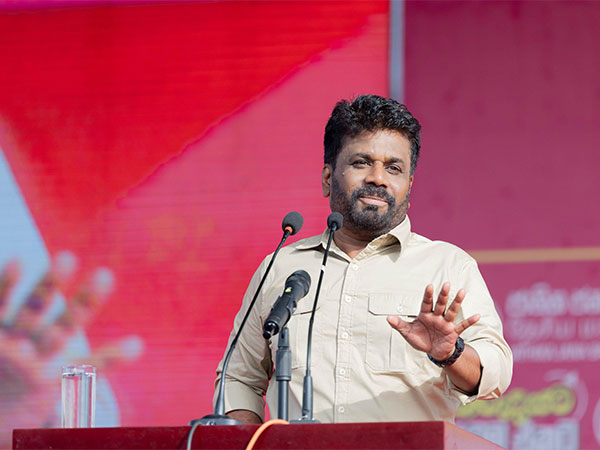
Anura Kumara Dissanayake took office as Sri Lanka's president on Monday, vowing to deliver change in a nation traditionally dominated by powerful political families amid its worst economic slump in over seven decades. Millions of Sri Lankans elected him, drawn by his commitment to tackle corruption and fortify a fragile economic recovery.
'I pledge to demonstrate dedication to protecting and upholding democracy,' said Dissanayake, 55, in his inauguration speech, acknowledging the challenges ahead. 'Our politics needs to be cleaner, and the people have called for a different political culture. I am ready to commit to that change.'
Outside, dozens of supporters displayed posters with his image, waved the Sri Lankan flag, and chanted 'AKD', the initials of the new president. 'I’m very happy,' beautician Iroma Nilanthi Liyanage said, adding that Dissanayake brought hope to his supporters. 'For the first time, the poor have someone who stands for them.'
Key tasks for Dissanayake include forming a new cabinet and convincing parliament, where his party holds just three of 225 seats, to pass a budget as part of a $2.9-billion IMF bailout. Outgoing Prime Minister Dinesh Gunawardena resigned to make way for the new administration.
Gunawardena, 75, had taken office in July 2022 after former President Gotabaya Rajapaksa fled and resigned during major economic protests. Dissanayake was declared president late Sunday, succeeding Ranil Wickremesinghe, who was appointed by parliament to fill Rajapaksa's term.
Sri Lanka's sovereign dollar bonds fell sharply in early trading on Monday. Investors are concerned that Dissanayake's Marxist tendencies and intention to revisit the IMF bailout terms might delay future payments and lead to a renegotiation of a debt deal finalised last week.
Neighboring countries like India, Pakistan, and the Maldives, along with China, Sri Lanka's largest bilateral creditor, have all congratulated Dissanayake on his victory.
ALSO READ
-
Sri Lanka’s Recovery Faces Its Next Test as IMF Funding Hinges on Budget and Debt Commitments
-
Sri Lanka Reaches IMF Staff Deal as $345 Million Hinges on Budget and Debt Review
-
ADB Approves $100 Million to Build Job Skills for Young Sri Lankans
-
World Bank Approves $110 Million to Rebuild Sri Lanka’s Cyclone-Hit Roads and Lives
-
Buttler's Milestone and Dawson's Magic: England Clinches T20 Series


 Google News