

Netanyahu's Political Tightrope: Navigating Dissent and Diplomacy
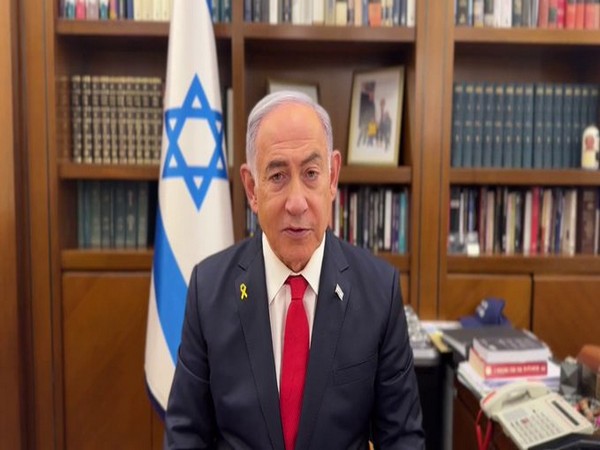
Protests surge in Israel as citizens demand a ceasefire with Hamas, but Prime Minister Benjamin Netanyahu remains resolute on his stance. Accusations of corruption and political maneuvers to maintain power underscore his leadership amidst pressures, security failure, and nationalist demands threatening peace talks and diplomatic resolutions.
- Country:
- Australia
In a robust display of dissent, hundreds of thousands of Israelis continue to flood the streets, calling for Prime Minister Benjamin Netanyahu to negotiate a deal with Hamas to release hostages taken during the October 7 attacks. However, their pleas have gone unheeded as the government insists on conditions prolonging the conflict.
Despite overwhelming public and political pressure demanding a ceasefire, Netanyahu defies demands and pushes forward the war effort. His refusal to negotiate is linked to political survival, amid past corruption charges and a coalition-dependent tenure. As protests mount, Netanyahu’s strategy involves satisfying the nationalists within his coalition.
Israel's political landscape becomes increasingly precarious as judicial reforms and nationalist objectives further entrench the conflict. Claims of combating terrorism are met with skepticism as settler expansions in the West Bank exacerbate tensions, moving Israel closer to nationalist visions of a singularly Jewish state.
ALSO READ
-
Iran’s Civilians Trapped Between State Repression and Deadly Strikes, UN Warns
-
UN Experts See UK Settlement Curbs as Turning Point, Urge Action Over Occupation
-
US Approves Potential Sale of F-35 Jets to Saudi Arabia, Shifting Middle Eastern Power Dynamics
-
UN Assembly Allows Abbas Virtual Address Amid US Visa Row
-
France's Ambitious Plan to Tame Deficit Amid Protests


 Google News