

Global Trade Tensions: Impact of Trump's Tariffs
European Central Bank head Christine Lagarde warns that U.S. President Donald Trump's tariffs could negatively impact the global economy. The extent of the damage hinges on their duration, scope, and potential negotiations. The Trump administration plans 'reciprocal tariffs' amid ongoing international trade tensions.
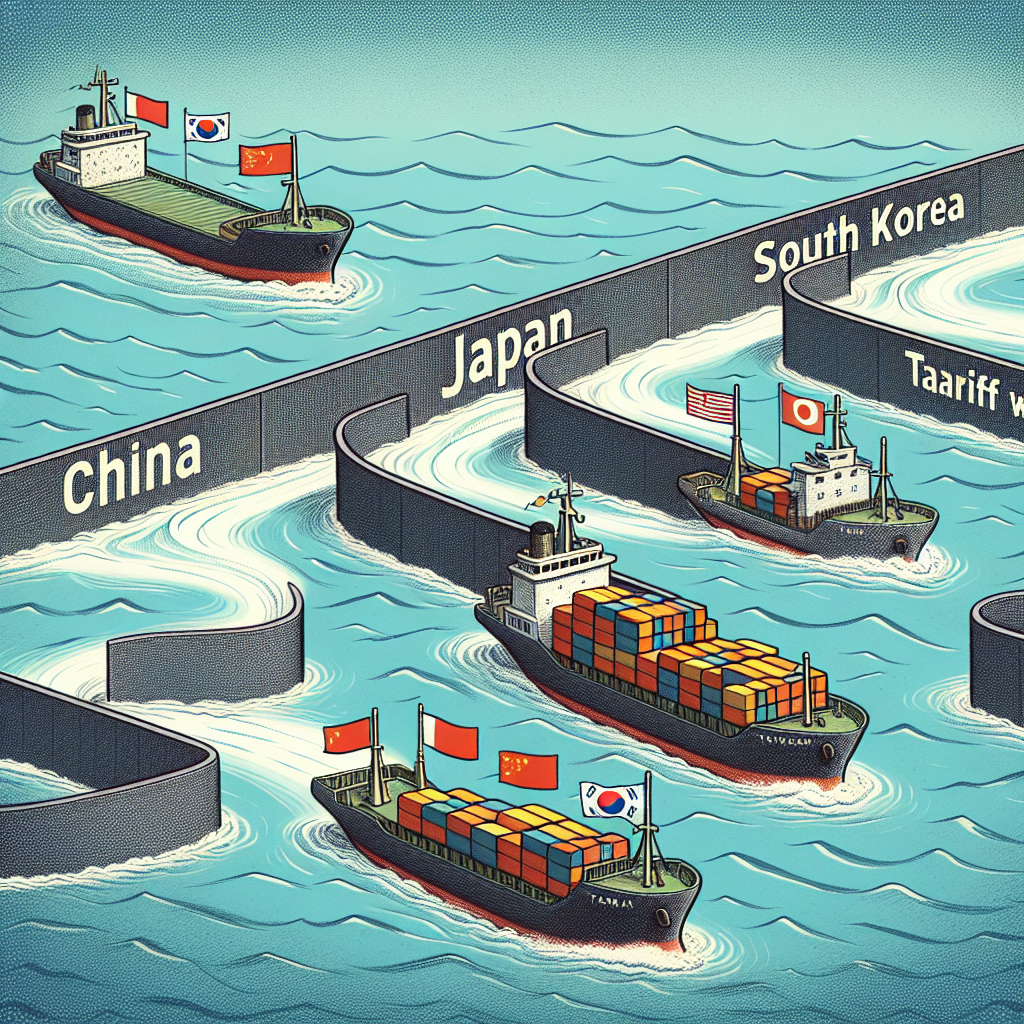
European Central Bank President Christine Lagarde has expressed concern over the potential global repercussions of U.S. President Donald Trump's proposed tariffs. Speaking on Wednesday, Lagarde warned that these measures could have a widespread negative impact, contingent upon how extensively and persistently they are implemented, and whether they can eventually lead to successful negotiations.
The Trump administration is poised to announce 'reciprocal tariffs' targeting countries imposing duties on U.S. goods, following earlier tariffs on imports from major trading partners such as Mexico, China, and Canada. These moves have affected products ranging from steel to automobiles. 'It will be negative the world over,' Lagarde noted, stressing the variability of impacts based on the specific products targeted and the potential for future negotiations.
Lagarde highlighted the uncertainty surrounding these developments, noting the frequent mention of unpredictability in recent weeks. Further, she commented on the uncertain economic impact of increased defense spending in Europe, which will depend on the allocation of these funds. Lagarde was in Dublin to receive an award named after Peter Sutherland, an influential figure in global trade.
ALSO READ
-
WTO at Crossroads: Why Future of Global Trade Matters to Every One of Us
-
EU Firms Rethink Supply Chains as Geopolitical Risks Reshape Global Trade
-
Lee Jae Myung's Diplomatic Milestones: Balancing Amidst Global Tensions
-
Diplomatic Moves: Takaichi's UN Meeting with Trump
-
Trade War Chessboard: Agriculture, Energy, and Rare Earths in Focus


 Google News