

Trump's Tariffs: Economic Gamble or Political Risk?
President Trump's introduction of reciprocal tariffs, dubbed 'Liberation Day,' risks harming the U.S. economy and faces political challenges, with critics fearing increased consumer prices and potential recession. Trump's bold economic strategy could impact Republican outcomes in upcoming elections amid mixed public and political reactions.
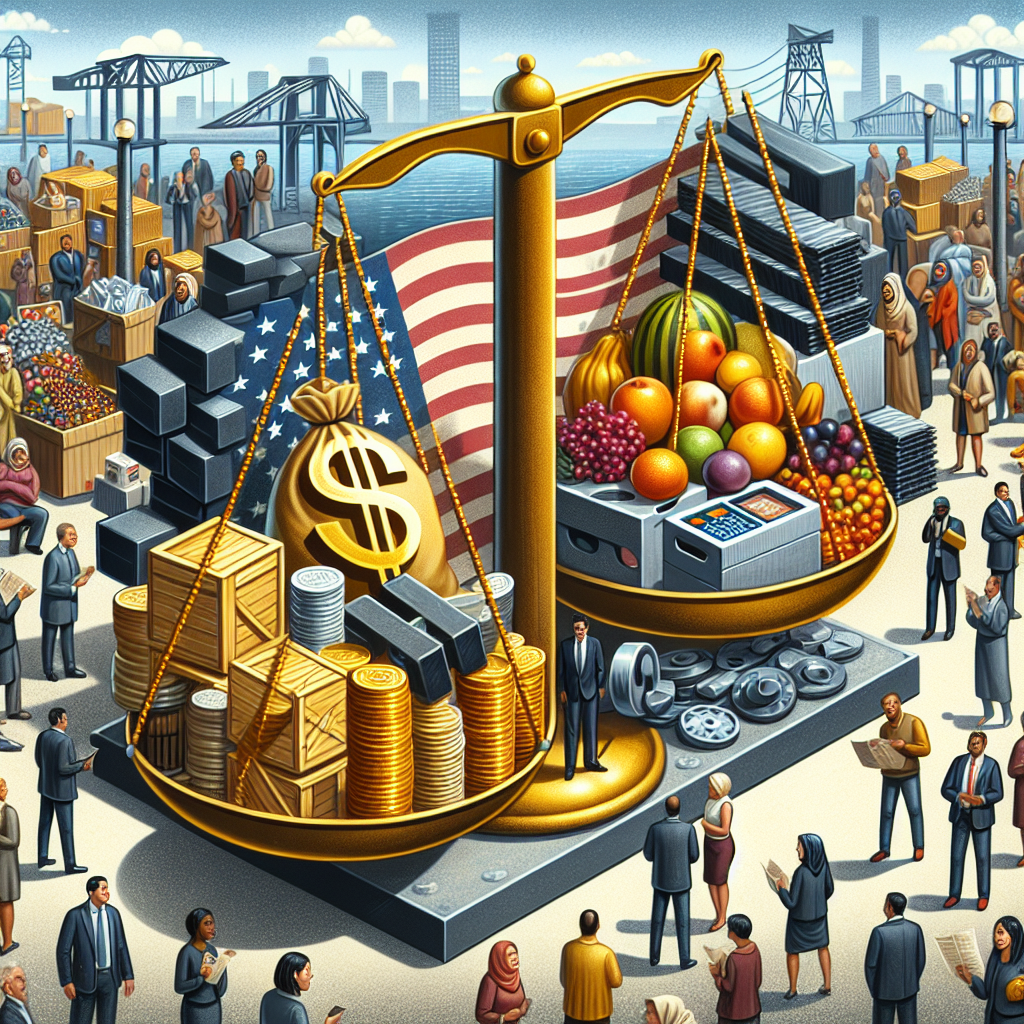
President Donald Trump has introduced a series of reciprocal tariffs, termed 'Liberation Day,' aiming to revitalize U.S. manufacturing and alter supply chains. However, experts warn that achieving these goals may take years, risking immediate price hikes and potential political backlash.
Trump's tariffs could lead to increased consumer costs and economic downturn, as trading partners impose their own levies on American products. Concerns over the economic impact have sparked division among voters, with a Reuters/Ipsos poll indicating a majority anticipate adverse effects, while economists caution against speculative economic impact assessments.
Although the policy is positioned as a fiscal boon, enhancing U.S. coffers, there is a notable electoral risk involved. Tariff-driven voter dissatisfaction might jeopardize Republican control in Congress, highlighting tensions between economic ambitions and political realities. The administration remains steadfast, dismissing fears of political fallout while defending the strategy as a commitment to American prosperity.
ALSO READ
-
EU Firms Rethink Supply Chains as Geopolitical Risks Reshape Global Trade
-
Lee Jae Myung's Diplomatic Milestones: Balancing Amidst Global Tensions
-
Venezuelan Central Bank's Gold Transfer Nears Completion
-
Diplomatic Moves: Takaichi's UN Meeting with Trump
-
Trade War Chessboard: Agriculture, Energy, and Rare Earths in Focus


 Google News